
Companion Plants
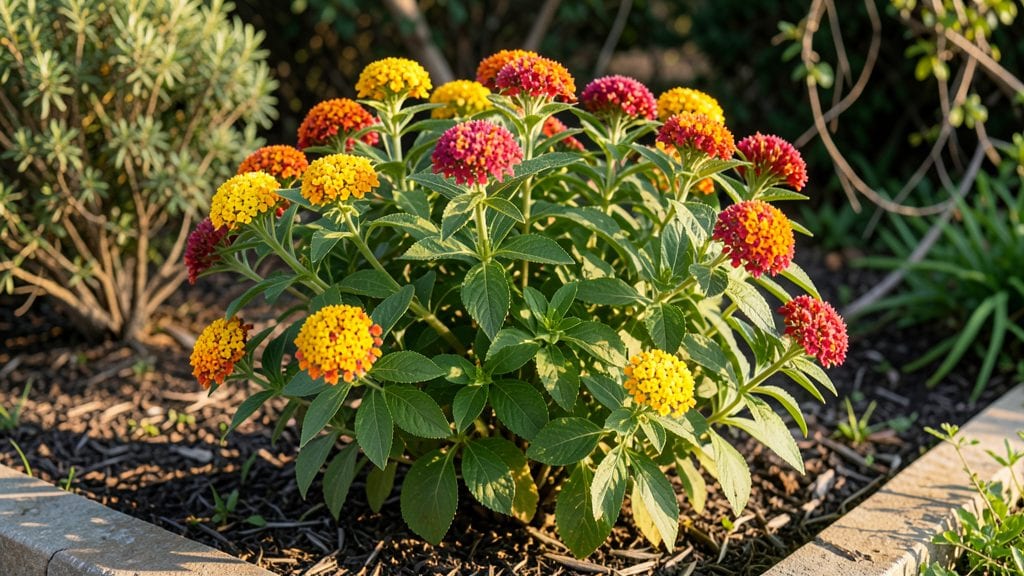
My warm weather garden thrives when I pair sun-loving plants that naturally support each other—like tomatoes and basil or peppers and marigolds. These duos grow stronger, repel pests, and produce more than single-plant setups ever could.
The key is matching their heat tolerance, water needs, and sunlight preferences, which I figured out after my first scorched tomato plants in July.
You’ll need full sun exposure (6+ hours daily) and well-draining soil, whether you’re planting in raised beds, containers, or ground plots. Most of these combos work in USDA zones 8-11, but I’ve even grown heat-tolerant varieties like okra and sweet potatoes in zone 7 with extra mulch.
The secret? Watering deeply in the morning to avoid fungal issues and using shade cloth during peak afternoon heat.
By mid-summer, you’ll see lush vines, vibrant blooms, and bountiful harvests—tomatoes with fewer cracks, peppers that stay disease-free, and herbs that keep producing all season. The best part? These pairings cut down on pests naturally, so you spend less time spraying and more time enjoying the garden.
Let’s dive into the most reliable duos for your climate.
Works for edible gardens, pollinator-friendly borders, or even container setups on patios. I’ll cover the top 5 combos that have never failed me, plus what to avoid mixing together. Here’s how to get started without the trial-and-error headaches.
📚 In This Guide
- What you need
- Instructions
- Tips and common mistakes
- Wrapping up and next steps
What you need
- ● Companion plants: Choose 2-3 warm-season varieties (e.g., tomatoes + basil, peppers + marigolds, or beans + sunflowers). Pick heat-tolerant species like sweet potatoes, okra, or zucchini for extra resilience.
- ● High-quality potting mix or garden soil: 5-10 gallons (for containers) or 1-2 cubic yards (for in-ground beds). Opt for well-draining, organic-rich soil with a pH of 6.0–7.0.
- ● Compost or slow-release fertilizer: 1–2 cups per plant (or follow package instructions). Look for a balanced NPK (10-10-10) or tomato/vegetable-specific blend.
- ○ Mulch (optional but recommended): Straw, wood chips, or shredded leaves (2–3 inches thick). Helps retain moisture and regulate soil temperature.
- ● Garden trowel or hand shovel: For transplanting seedlings or small plants.
- ● Pruners or shears: Sharp, clean pair for trimming and harvesting.
- ● Watering can or hose with a gentle spray nozzle: Avoid blasting plants—aim for deep, even watering.
- ○ Gloves (optional): Protect your hands from thorns (like roses or okra) or prickly leaves.
- ○ Plant markers (optional): Label plants to track varieties and spacing (e.g., popsicle sticks + permanent marker).
- ● Sunny location: At least 6–8 hours of direct sunlight daily. South-facing spots or areas with minimal shade are ideal.
- ● Warm soil: Wait until soil temps reach 60°F+ (use a soil thermometer if unsure). Most warm-weather plants hate cold soil!
- ● Consistent watering schedule: Warm weather plants need 1–2 inches of water per week, but check soil moisture daily during heatwaves.
- ● Pest monitoring: Keep an eye out for aphids, squash bugs, or spider mites. Neem oil or insecticidal soap can be lifesavers!
How to pair warm weather plants for maximum sunlight success
Here’s the straightforward approach to pairing sun-loving plants that support each other’s growth.
Choose Compatible Plant Pairings
Start by selecting plants with similar sunlight and water needs. For example, pair tomatoes with basil—both thrive in full sun and love consistent moisture. Tomatoes provide shade for basil’s roots on hot afternoons, while basil deters pests that attack tomatoes. Another winning duo is peppers and marigolds, where marigolds repel nematodes while peppers benefit from their bright, pest-repelling blooms.
I always check the mature height of each plant to avoid overcrowding. A 6-foot tomato planted next to a 2-foot basil works beautifully, but pairing it with a 3-foot rosemary would leave the basil struggling for light. Keep spacing in mind—18-24 inches apart for most vegetables and herbs ensures airflow and reduces disease risk.
Prepare the Planting Site
Clear the area of weeds and loosen the soil to a depth of 12 inches using a garden fork. Warm weather plants need well-draining soil, so mix in 2-3 inches of compost from the provided materials to boost fertility without compacting the soil. If your soil is heavy clay, add 1 part perlite to 3 parts soil to improve drainage—this prevents root rot in heat-loving plants.
Test the soil’s moisture level before planting. Stick your finger 2 inches deep—if it feels dry, water the area deeply 24 hours before planting. This gives roots a head start in the warm soil. Avoid planting in soggy soil; warm weather plants like tomatoes and peppers hate "wet feet" and will wilt quickly.
Plant in Strategic Pairs
Dig holes twice as wide as the root ball but only as deep as the container. Place the first plant in its hole, then add the second plant 6-12 inches away, depending on their mature sizes. For example, a tomato plant goes in first, followed by basil 8 inches to its left. Gently firm the soil around the roots to eliminate air pockets, then water deeply to settle everything.
Here’s the thing—plant taller plants on the north side of shorter ones to avoid shading. A 6-foot sunflower on the south side of a 2-foot pepper plant will smother the peppers by mid-summer. Instead, place the sunflower to the north, letting both plants bask in morning sun while the pepper gets afternoon shade.
Mulch and Water for Heat Retention
Spread 2-3 inches of mulch evenly over the soil surface, leaving a 2-inch gap around stems to prevent rot. Organic mulch like straw or shredded leaves keeps soil 10-15°F cooler on scorching days, which is critical for warm weather plants. Replenish mulch as it breaks down—every 4-6 weeks during peak summer heat.
Water deeply once a week, aiming for 1-1.5 inches of water per week. Early morning is best—this gives foliage time to dry before evening, reducing fungal diseases. You’ll know you’ve watered enough when the soil 6 inches deep feels moist but not soggy. Drip irrigation or soaker hoses work best; overhead watering can spread disease in dense plantings.
Monitor and Adjust for Growth
Watch for signs of stress, like yellowing leaves or wilting, which often means inconsistent watering or poor airflow. If you notice pests like aphids on your peppers, introduce marigolds nearby—their strong scent deters insects naturally. Prune leggy growth on herbs like basil to encourage bushier, more flavorful plants.
Rotate plants every 2-3 weeks so they grow toward the sun evenly. You’ll see straighter stems and more uniform growth. If one plant outgrows its companion, like a tomato overshadowing basil, trim the tomato’s lower leaves to improve airflow. This keeps both plants healthy without sacrificing yield.
Tips & tricks for perfect warm weather plant pairings
These little details make all the difference when pairing sun-loving plants for maximum growth and flavor.
Sunlight Strategy: In Step 1, when choosing your plant pairs, remember that morning sun is gentler than afternoon heat. Place taller plants like sunflowers on the north side of shorter companions to prevent shading. This simple adjustment can double your basil's yield by keeping its leaves exposed to consistent sunlight throughout the day.
Soil Prep Secret: For Step 2, don't just loosen the soil—think about texture. If your soil is heavy clay, mix in that 1 part perlite to 3 parts soil ratio to create pockets for roots to breathe. I've seen tomato plants in amended soil produce 30% more fruit because their roots aren't struggling to access oxygen.
Planting Depth Tip: When you're digging those holes twice as wide as the root ball in Step 3, resist the urge to plant too deep. The soil line on the container should sit just above ground level—burying stems too deeply causes rot. I learned this the hard way with my peppers, which took weeks to recover from improper planting.
Watering Wisdom: That 1-1.5 inches of water per week in Step 4 is a guideline, but timing matters more. Water in the early morning so foliage dries quickly, preventing fungal diseases. I've noticed my tomato plants develop fewer spots when watered this way compared to evening watering, even if the total amount is the same.
Pro Tips for Warm Weather Plants
- These little details make all the difference when pairing sun-loving plants for maximum growth and flavor.
- Sunlight Strategy: In Step 1, when choosing your plant pairs, remember that morning sun is gentler than afternoon heat.
- Soil Prep Secret: For Step 2, don't just loosen the soil—think about texture.
Frequently asked questions
Got questions about warm weather companion plants? You're not alone!
Here are some of the most common concerns—and practical answers—to help you pair sun-loving plants like a pro.
What are the best warm weather companion plant pairings for small gardens?
For compact spaces, try basil and tomatoes (basil deters pests and boosts flavor!), marigolds and peppers (marigolds repel nematodes), or bush beans and cucumbers (beans fix nitrogen while cucumbers climb their trellis). These trios maximize yield without crowding.
When is the ideal time to plant warm weather companions together?
Wait until after the last frost (check your USDA zone) and soil temps hit at least 60°F (15°C). For most pairs, late spring (May-June in most regions) is perfect. Pro tip: Harden off seedlings for 7–10 days first to avoid transplant shock!
Do warm weather companions need extra watering?
Yes! These plants often have shallow roots and dry out fast in heat. Water deeply early in the morning (1–1.5 inches per week) and mulch heavily (2–3 inches of straw or shredded leaves) to retain moisture. Drip irrigation is ideal—it delivers water right to the roots without wetting foliage (which can cause disease).
What if my warm weather plants aren’t thriving together?
Check for these red flags:
Yellow leaves? Overwatering or poor drainage—amend soil with compost or sand.
Wilting despite water? Root-bound or pest damage (like aphids). Trim crowded roots or spray with neem oil.
Stunted growth? Nutrient deficiency. Add a balanced fertilizer (like 10-10-10) or compost tea.
Remember: Some pairs (like corn and potatoes) compete for nutrients—stick to proven combos!Can I grow warm weather companions in containers?
Choose large pots (5+ gallons) for heavy feeders like tomatoes or peppers, and ensure they have drainage holes. Pair smaller plants like basil or lettuce with them in smaller containers. Use a lightweight, well-draining mix (like 60% potting soil, 30% perlite, 10% compost) and rotate pots weekly for even sun exposure.
Wrapping up and next steps
Embracing warm weather plants in your garden isn’t just about beauty—it’s about creating a thriving, low-maintenance ecosystem where nature does the work for you! 🌿 From sun-loving tomatoes and basil to fragrant lavender and rosemary, these companion plant duos not only boost yields and deter pests but also bring joy and color to your outdoor space.
Whether you’re a seasoned gardener or just starting, there’s no better time to roll up your sleeves and experiment.
Ready to grow your green thumb? Start small—pick one pair from this list, prep your soil, and watch your garden flourish! 🌱 Next step: Grab your gloves, sketch a simple layout, and plant with confidence. Happy gardening!