
Vegetables
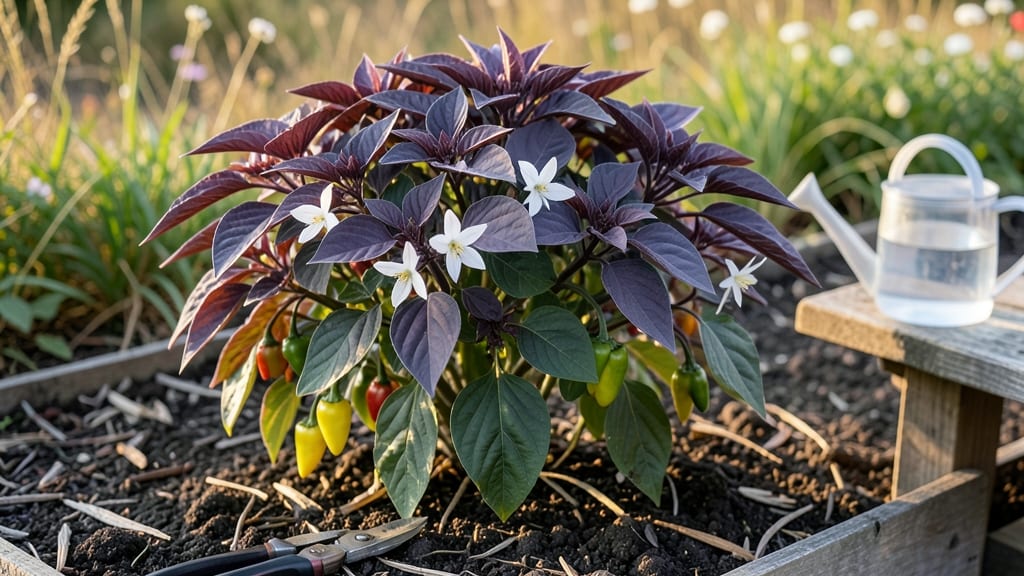
Growing a purple leaf pepper plant transforms your garden into a living jewel box—those deep purple leaves keep their color all season long with almost no fuss. 💚 I’ve grown mine in pots and garden beds, and the secret isn’t complicated: it’s a pepper that thrives on neglect but rewards attention with stunning foliage and surprisingly productive peppers.
The best part? This plant handles almost any soil as long as it drains well, and it’s happy in full sun or partial shade. Water when the top inch feels dry, but don’t overdo it—these peppers hate soggy roots.
A light feeding with balanced fertilizer in spring keeps the leaves vibrant, and you’ll get both ornamental beauty and a harvest of mild, slightly sweet peppers by summer’s end.
By mid-summer, your plant will be lush and full, with purple leaves that look like they belong in a botanical garden. The peppers themselves are small but flavorful, perfect for fresh eating or pickling. Even in winter, the foliage stays striking if you bring it indoors before frost hits.
Here’s the kicker: this pepper is tougher than it looks. Aphids might visit, but a strong spray of water usually sends them packing. Prune leggy growth in early spring to keep it compact, and you’ll have a plant that’s equal parts showstopper and kitchen staple. Ready to grow one?
📚 In This Guide
- What you need
- Instructions
- Tips and common mistakes
- Wrapping up and next steps
What you need
- ● Purple Leaf Pepper Seeds or Seedlings: 2–4 seeds (if starting from scratch) or 1–2 healthy seedlings (from a nursery or online store).
- ● Pro tip: Look for varieties like Purple Beauty or Purple Flash for stunning foliage!
- ● Containers or Garden Bed: For pots: 5–10 inch diameter containers (with drainage holes) for each plant. Terracotta or fabric pots work best.
- ● For in-ground planting: A sunny spot with well-draining soil (full sun, 6+ hours/day).
- ● Potting Mix: 1 bag (5–10 quarts) of well-draining, organic potting mix (avoid heavy garden soil).
- ○ Optional boost: Mix in perlite or vermiculite (10–20%) for extra aeration.
- ● Fertilizer: Balanced liquid fertilizer (10-10-10 or 20-20-20, diluted to half-strength).
- ● Slow-release granules (like osmocote) for long-term feeding.
- ● Grow Lights: LED full-spectrum lights (for indoor setups, 12–16 hours/day).
- ● Support Stakes or Cages: 3–4 ft tall stakes or tomato cages (purple leaf peppers can get bushy!).
- ● Mulch: Straw or shredded leaves to retain moisture and suppress weeds.
- ● Pruning Shears: Sharp, clean shears for trimming (sterilize with rubbing alcohol).
- ● pH Test Kit: To ensure soil pH is 6.0–7.0 (ideal for peppers).
How to grow a thriving purple leaf pepper plant
This striking plant needs just a few smart moves to keep its bold foliage vibrant all year.
🪴 Step 1: Select the Right Container and Soil Mix
Purple leaf pepper plants thrive in containers with excellent drainage. Choose a pot at least 12 inches wide and deep—this gives roots room to establish while preventing waterlogging. I like terracotta because it breathes and helps regulate moisture, but any container with drainage holes works. Skip the garden soil—it compacts too easily. Instead, mix 2 parts potting mix with 1 part perlite to create a light, airy medium that mimics their native conditions.
Fill the pot halfway with your mix, then add a 2-inch layer of coarse sand at the bottom. This extra drainage layer prevents soggy roots, which can turn leaves yellow or cause root rot. Tap the pot gently to settle the layers, then add the remaining soil mix to within 1 inch of the rim. The reason for leaving space? It prevents soil from splashing onto leaves when you water, keeping foliage clean and healthy.
☀️ Step 2: Plant and Position for Bright, Indirect Light
Remove the pepper plant from its nursery pot and gently loosen the roots if they’re tightly bound. Place it in the center of your container, then fill the remaining space with soil, pressing lightly to eliminate air pockets. Water immediately after planting to help the soil settle around the roots. I always add a slow-release fertilizer at this stage—just sprinkle a handful into the top inch of soil and mix it in. This gives the plant a steady nutrient boost without overwhelming it.
Position your pepper plant in a spot with bright, indirect light for the first week. Direct sun can scorch the delicate purple leaves, especially if they’re adjusting to a new environment. A south- or east-facing window works well, or place it under a sheer curtain if your space gets harsh afternoon sun. You’ll know it’s getting enough light when the leaves stay a rich purple hue—if they start fading to green, it’s time to move it closer to a brighter spot.
💧 Step 3: Water and Maintain Consistent Moisture
Purple leaf pepper plants prefer their soil to stay evenly moist but never soggy. Water whenever the top inch of soil feels dry to the touch, which is usually every 2-3 days in warm weather. I use room-temperature water and pour it slowly at the base of the plant, avoiding the leaves to prevent fungal issues. Let excess water drain completely—no one likes wet feet, and neither do these plants. Overwatering is the quickest way to turn vibrant purple into sad, yellowing leaves.
Humidity matters too. If your home is dry, mist the leaves lightly in the morning or place the pot on a pebble tray filled with water. Just don’t let the pot sit in standing water—root rot is a silent killer. In winter, when indoor air gets drier, I group my pepper plants together to create a microclimate that retains moisture. Watch for crispy leaf edges—this is your signal to increase humidity or reduce watering slightly.
✂️ Step 4: Prune and Encourage Bushy Growth
Regular pruning keeps your purple leaf pepper plant lush and compact. Pinch back the tips of new growth when stems reach 4-6 inches tall to encourage branching. This simple trick turns leggy plants into bushy, vibrant shrubs. Use clean, sharp scissors to make cuts just above a leaf node—never tear the stems, as this can damage the plant. I prune in early spring and again after the longest day of the year to promote fresh, colorful growth.
Remove any yellow or damaged leaves immediately—they’re energy drains and can attract pests. If you notice leggy stems reaching toward the light, it’s a sign the plant needs more brightness or a slight trim to redirect its energy. After pruning, give the plant a balanced liquid fertilizer to support new growth. You’ll see fresh purple leaves emerging within 2-3 weeks, and the plant will fill out beautifully.
🌿 Step 5: Overwinter for Year-Round Color
Purple leaf pepper plants are evergreen, but they need a little help surviving winter’s low light and dry air. Reduce watering slightly in fall—let the top 1.5 inches of soil dry out between waterings. Move the plant to the brightest window in your home, ideally one that gets at least 6 hours of indirect light daily. If natural light is lacking, supplement with a grow light for 12-14 hours a day to prevent legginess.
In late winter, when new growth slows, give the plant a light trim to shape it and remove any dead or weak stems. This refreshes the plant and encourages fresh, vibrant foliage as spring approaches. I also wipe the leaves with a damp cloth to remove dust—clean leaves absorb light more efficiently. With proper care, your purple leaf pepper will reward you with year-round color, making it a standout in any space.
Tips & tricks for perfect purple leaf pepper plant care
Keeping your purple leaf pepper plant vibrant takes just a few smart tricks—here's how to avoid common pitfalls and get that showstopping foliage.
The Soil Mix Secret: That 2-inch layer of coarse sand in Step 1 isn't just for drainage—it also prevents compaction over time. After 6 months, I recommend fluffing the soil mix by gently working in a handful of fresh perlite to maintain that airy texture. This keeps roots happy and prevents the dreaded yellowing leaves that signal poor drainage.
Light Positioning Hack: For the bright indirect light in Step 2, I've found that rotating your plant a quarter turn every week ensures even growth. Purple leaf peppers grow toward light sources, which can create lopsided plants. This simple weekly rotation keeps your plant perfectly symmetrical and maximizes that stunning purple color on all sides.
Watering Wisdom: The 2-3 day watering schedule in Step 3 works best when you check soil moisture at the same time each day. I test with my finger—if the top inch feels dry, it's time. But here's the thing: in winter months, that schedule often stretches to 4-5 days. The key is to always let excess water drain completely—those purple leaves can't tolerate soggy roots.
Pruning Pro Tip: When pinching back growth in Step 4, focus on the healthiest stems first. I always look for stems with at least 3-4 sets of leaves before making cuts—this ensures your plant has enough foliage to support new growth. After pruning, I give the plant a light misting with water to help it recover faster, especially in dry indoor air.
Pro Tips for Purple Leaf Pepper Plant
- Keeping your purple leaf pepper plant vibrant takes just a few smart tricks—here's how to avoid common pitfalls and get that showstopping foliage.
- The Soil Mix Secret: That 2-inch layer of coarse sand in Step 1 isn't just for drainage—it also prevents compaction over time.
- Light Positioning Hack: For the bright indirect light in Step 2, I've found that rotating your plant a quarter turn every week ensures even growth.
Frequently asked questions
Got questions about growing and caring for your purple leaf pepper plant? You’re not alone! Here are some of the most common queries—plus quick, actionable answers to keep your plant thriving.
How fast does a purple leaf pepper plant grow?
A healthy purple leaf pepper plant typically grows 6–12 inches per year, depending on sunlight, soil quality, and care. With ideal conditions (full sun, well-draining soil), you can see noticeable growth within 3–6 months. Pruning regularly encourages bushier, more vibrant foliage—just avoid cutting too late in the season, as new growth may not harden off before winter.
Can purple leaf pepper plants survive winter?
These plants are perennial in USDA zones 8–11 but may die back in colder climates. In frost-prone areas, mulch heavily and protect with burlap or a frost cloth. If temperatures drop below 20°F (-6°C), the plant may suffer damage, but roots often survive. Start fresh in spring by pruning dead growth and fertilizing to encourage regrowth.
Do purple leaf pepper plants produce edible peppers?
While the leaves are the star (with their stunning purple hue), some varieties like ‘Purple Beauty’ or ‘Purple Flash’ produce small, decorative peppers. These peppers are mildly spicy and edible, but they’re not the focus—think of them as a bonus! If you want peppers for cooking, pair this plant with a separate pepper variety like jalapeños or bell peppers.
Why are my purple leaf pepper plant’s leaves turning yellow?
Yellowing leaves usually signal overwatering, nutrient deficiency, or poor drainage. Check the soil—it should be slightly moist but not soggy. If the roots are waterlogged, repot in well-draining soil and reduce watering. Yellowing can also mean too much nitrogen (use a balanced 10-10-10 fertilizer instead). For extra vibrancy, ensure the plant gets 6+ hours of sunlight daily.
Are there purple leaf pepper plant alternatives for shade?
If your space is shady, consider ‘Purple Smoke’ bush beans or ‘Black Krim’ eggplants for purple foliage. For peppers, try ‘Purple Shower’ (a compact, ornamental pepper) or ‘Purple Flash’, which tolerates partial shade better than most. Just know these won’t match the bold purple of a true pepper plant—opt for containers near a sunny window or balcony if possible!
Wrapping up and next steps
The purple leaf pepper plant is a stunning, low-maintenance addition to any garden or container, offering vibrant foliage and a touch of spice year-round. Whether you're a seasoned gardener or a beginner, its resilience and beauty make it a rewarding choice.
Ready to bring a pop of color and flavor to your space?
🌱 Next steps: Grab your seeds or seedlings, follow the care tips, and watch your purple leaf pepper thrive! Share your progress with fellow plant lovers—happy growing! 🌿