
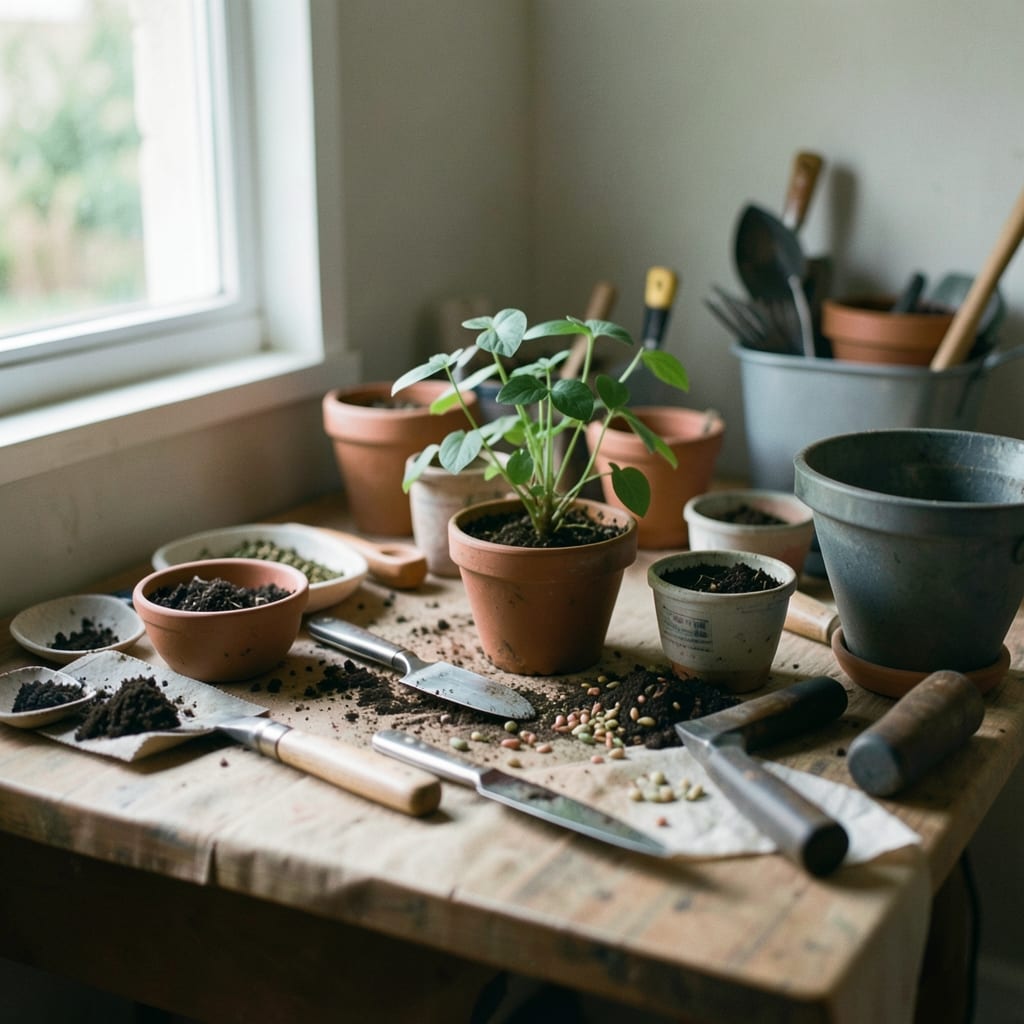
What is on this site
This site is a guide to growing plants—from the first cut of a seedling to the weight of a harvest. Every post explains how soil, sunlight, and care shape what grows (or doesn’t).
You’ll find step-by-step advice for beginners, troubleshooting for failures, and the quiet lessons of years spent watching roots spread.
The site is organised by what you’re trying to grow: vegetables, flowers, herbs, or trees. Each section starts with the basics—what a plant needs to thrive—and moves to the details: when to plant, how to prune, and what to do when pests arrive.
The ‘Seasonal Guide’ tracks what’s possible month by month, while ‘The Archive’ collects old posts by topic, like ‘Saving Seeds’ or ‘Fixing Dying Tomatoes.’
| Where | What is there | Go here if |
|---|---|---|
| The Homepage | New posts and seasonal highlights | You want to start somewhere |
| Seasonal Guide | What to plant, prune, or harvest now | Your calendar says ‘spring’ but your garden says ‘winter’ |
| The Archive | Posts grouped by plant type or skill | You’re looking for ‘how to grow basil’ |
| Tools & Gear | Recommended tools and their limits | Your trowel is dull and you’re not sure why |
How to read a page here
Every post starts with the plant’s name and a short description of what it needs—sunlight, water, soil type. This tells you at a glance if the advice applies to your garden. Next comes the ‘Grow Guide,’ a numbered list of steps, from sowing to harvest.
Numbers like *‘Step 3: Thinning seedlings’* mean you can skip to what you need without reading the whole thing.
Units are always in inches, grams, or hours—no conversions. Timings assume average conditions; if your summer is hotter or your soil drains faster, the post will say so.
Photos show real gardens, not staged setups, so you’ll see the mess of weeds or the uneven rows that come with actual growing.
The ‘Watch For’ section lists pests or problems specific to that plant. Ignore it on a first read unless you spot something wrong. At the end, ‘Further Reading’ points to related posts—like how to compost or what to plant next to carrots.
When it does not work
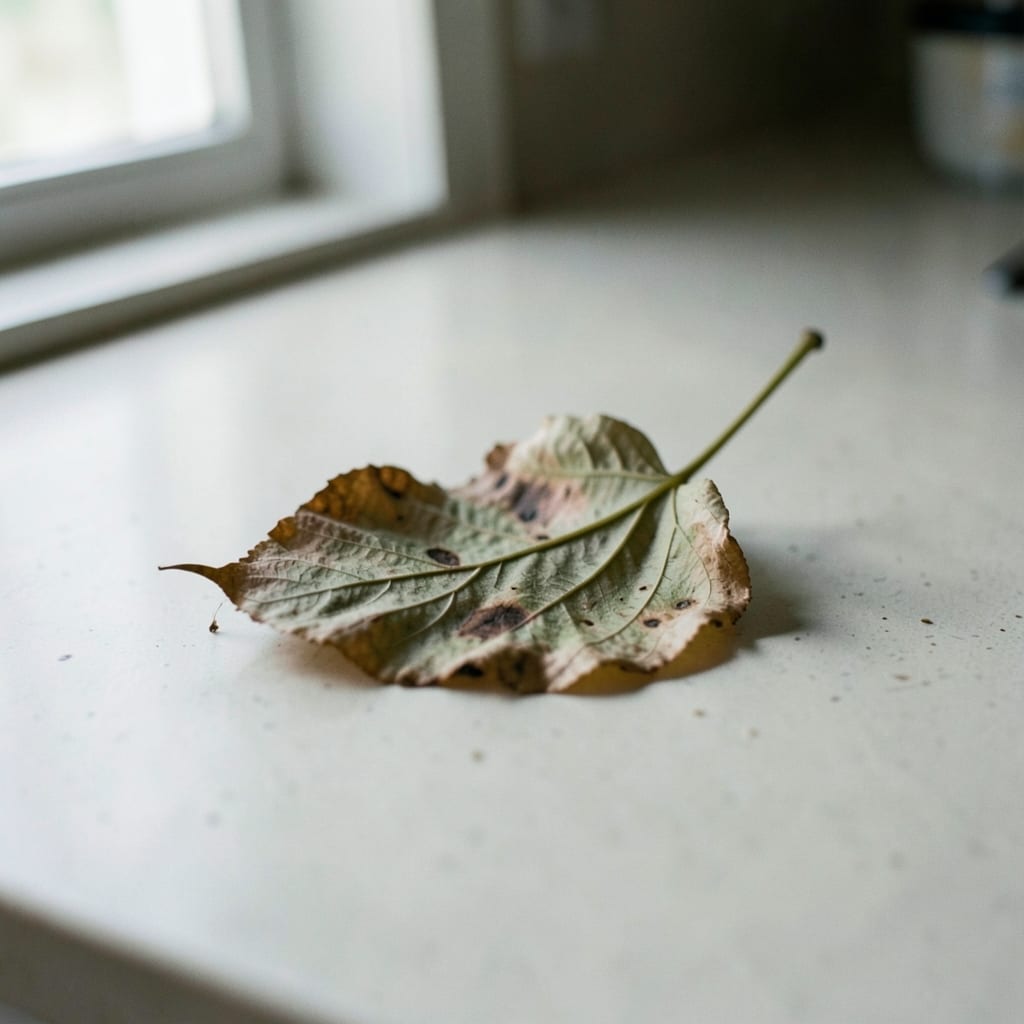
Most failures happen because the post assumes conditions you don’t have—like rich soil or a long growing season. Before you quit, check if your climate, soil, or tools match what the page describes. A post about ‘growing tomatoes in Zone 6’ won’t help if you’re in Zone 9.
Before you give up
- Check the ‘Seasonal Guide’—some plants need frost or a long winter to reset.
- Test your soil pH (a cheap kit works). Some plants refuse to grow if the soil is too acidic.
- Read the ‘Watch For’ section again. A ‘yellowing leaf’ might mean overwatering, not a disease.
- Try a smaller scale. If basil wilts in pots, it might do better in the ground.
Who we are
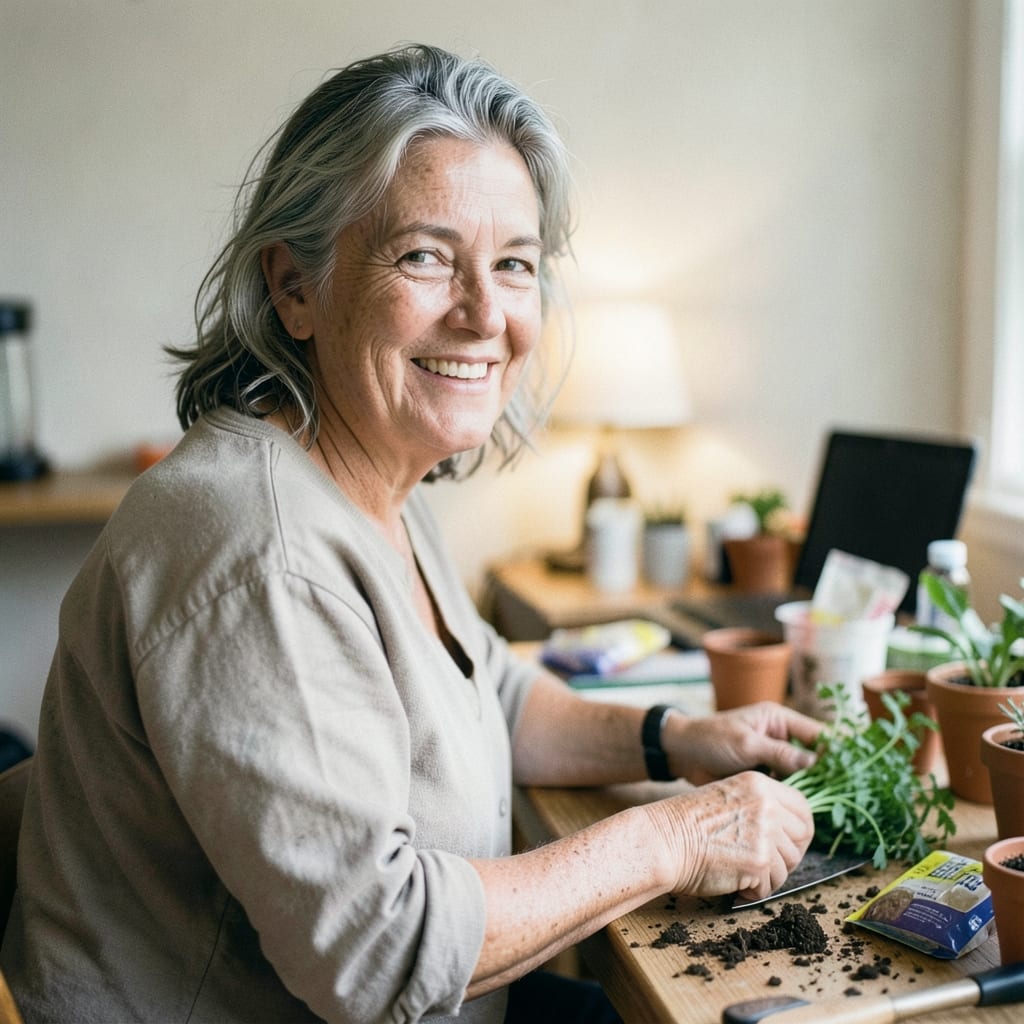
This site is built by someone who learned gardening the hard way—by losing plants, then trying again.
| The colophon | |
|---|---|
| Written by | Camille Montoya, who tends a half-acre plot in Ohio and writes about the mistakes that taught her more than the successes did. |
| Tested in | A raised bed with clay soil, where even the ‘easy’ plants like beans sometimes give up. |
| Written with | A notebook, a trowel, and a camera that never quite captures how a plant looks when it’s happy. |
| Learned from | A neighbor who swore by ‘letting the soil rest’—and whose garden always outyielded mine. |
| Still getting wrong | The exact moment to harvest a pepper. Some turn sweet just before they ripen; others stay green forever. |
Gardening is a conversation with the land, and this site is just one voice in it. The best lessons come from the dirt itself—not from a page, but from the way a seedling pushes through cracked earth after a week of rain.
If you need something that is not here
Ask about the things this site leaves out: how to store harvests, what to do with weeds, or why your compost smells like rot. If the answer isn’t in the posts, it might be worth writing.
Start on the contact page—tell us what’s missing, and we’ll see if it belongs here.
The guides are grouped by category: Aphids, Blooming, Companion Plants, Container Gardens, Diseases and Fertilization.