Companion Plants
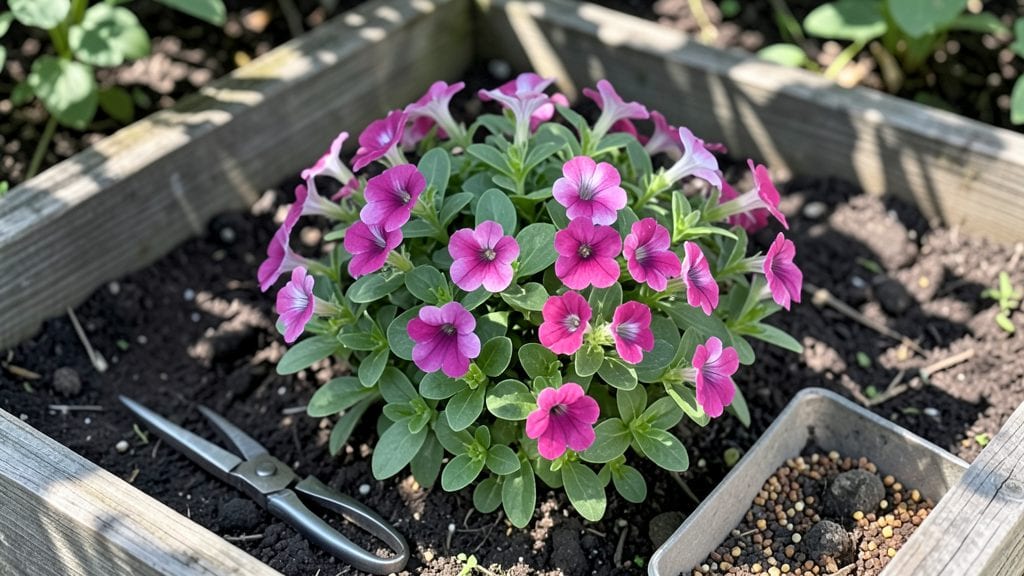
Miniature petunia plants bring bursts of color without taking over your space—my tiny patio containers prove it every summer. 🌿 These little powerhouses pack the same vibrant blooms as their larger cousins but stay perfectly contained, making them ideal for balconies, windowsills, or even hanging baskets.
The secret lies in their compact roots and prolific flowering habit, which means you get more bang for your buck in terms of both beauty and space efficiency.
To get them thriving, start with well-draining potting mix and containers with drainage holes—no fancy setups needed. Most miniature petunias need 4-6 hours of sunlight daily, though they’ll tolerate partial shade in hot climates.
Water when the top inch of soil feels dry, and fertilize every 2-3 weeks with a balanced liquid feed. Pruning spent blooms keeps them flowering longer, and pinching back leggy stems encourages bushier growth.
Honestly, I’ve killed more petunias than I’d like to admit, but these tough little guys bounce back fast.
What you’ll end up with is a cascade of lavender, pink, or white blooms that last from early summer through frost. The flowers are so dense they hide the foliage completely, creating a lush, colorful curtain.
Plus, they attract pollinators like bees and butterflies, turning your containers into mini ecosystems. The best part? You can mix and match varieties for a neighborhood-jealousy-worthy display without the sprawl of traditional petunias.
Works equally well in 5-inch pots, hanging baskets, or even vertical planters, so you’re not limited by space. Here’s how to keep them looking their best all season long—no green thumb required.
📚 In This Guide
- What you need
- Instructions
- Tips and common mistakes
- Wrapping up and next steps
What you need
- ● Miniature petunia seeds or seedlings: Choose compact varieties like 'Tiny Tumbler' or 'Supertunia Mini.' Opt for 10-20 seeds for a small container or 2-3 seedlings for instant blooms.
- ● Containers: Use 4-6 inch pots (or larger for multiple plants). Ensure they have drainage holes to prevent root rot.
- ● High-quality potting mix: A well-draining, peat-based mix (e.g., 50% peat moss, 30% perlite, 20% vermiculite) works best.
- ● Slow-release fertilizer: A balanced 10-10-10 or 14-14-14 blend (1 tbsp per pot) to nourish roots for 3-4 months.
- ● Watering can with a fine rose: Avoid overwatering—gentle misting keeps soil moist without drowning roots.
- ○ Gloves (optional): Protect your hands from soil and thorns.
- ● Pruning shears: For trimming leggy stems to encourage bushier growth.
- ● Plant labels: Mark varieties if growing multiple types.
- ○ Mulch (optional): 1 inch of pine bark retains moisture and suppresses weeds.
Step-by-step guide to growing miniature petunias in containers
Here’s how to grow these cheerful, compact bloomers—no green thumb required.
🌱 Step 1: Choose the Right Containers and Soil Mix
Miniature petunias need 6-inch diameter pots or larger to prevent root crowding. I use terracotta containers—they breathe better than plastic and help prevent soggy roots. Make sure each pot has drainage holes (drill extra if needed) and place a layer of small pebbles at the bottom to improve drainage.
Fill each pot with lightweight potting mix mixed with 20% perlite or vermiculite to keep it airy. Pack the soil gently but firmly—petunias hate waterlogged roots, so good drainage is key. Leave about ½ inch of space between the soil and the pot’s rim for easy watering.
🌿 Step 2: Plant Miniature Petunia Starts
Gently remove each petunia from its nursery pot, keeping the root ball intact. Dig a hole in the soil that’s just deep enough to bury the roots without covering the crown (the spot where stems meet roots). Place the plant in the hole and firm the soil around it lightly with your fingers.
I space mine about 6 inches apart in larger containers—this gives them room to spread without competing for nutrients. Water immediately after planting to settle the soil and remove any air pockets around the roots. Avoid wetting the leaves to prevent fungal issues.
☀️ Step 3: Provide Bright Light and Consistent Water
Miniature petunias thrive in full sun (6+ hours daily), but they’ll tolerate partial shade if given extra care. Place your containers where they’ll get morning sun and afternoon shade if temperatures exceed 85°F. In hotter climates, a bit of afternoon shade keeps blooms vibrant longer.
Water when the top inch of soil feels dry. These petite plants dry out fast in containers, so I check soil moisture daily during heatwaves. Water at the base—never overhead—to keep foliage dry. Mulch with ¼ inch of organic mulch to retain moisture and suppress weeds.
💧 Step 4: Feed and Prune for Continuous Blooms
Start fertilizing two weeks after planting with a balanced liquid fertilizer (10-10-10) diluted to half strength. Feed every 2 weeks during the growing season to encourage lush growth and abundant blooms. Too much fertilizer burns roots, so always follow package instructions.
Deadhead spent blooms by pinching off faded flowers with your fingers or clean pruners. This redirects energy to new buds instead of seed production. I also trim leggy stems back by ⅓ of their length to encourage bushier growth. Prune in the morning so wounds have time to heal before evening moisture sets in.
⏰ Step 5: Overwinter Care (If Growing as Annuals)
If you’re treating these as annuals, enjoy them until frost. For overwintering (in mild climates), move pots to a sheltered spot with bright indirect light and reduce watering. Let the soil dry out slightly between waterings—overwatering in winter is the fastest way to kill container plants.
Trim back leggy growth by half before winter dormancy. In spring, resume regular watering and fertilizing as new growth appears. Miniature petunias are surprisingly resilient—with proper care, they’ll reward you with nonstop color year after year.
Tips & tricks for perfect miniature petunia plants
Took me a while to figure out these container-growing secrets—here's how to keep your miniature petunias thriving and blooming like they're in a garden center.
Container Selection Tip: While 6-inch pots work, I've found that 7- to 8-inch containers give these petite plants more room to establish without overcrowding. The extra space means you can plant two or three petunias together while still maintaining good air circulation. Just make sure to increase the drainage layer to 1 inch of pebbles in larger containers to prevent waterlogging at the bottom.
Soil Mix Matters: The 20% perlite or vermiculite is non-negotiable—it prevents that dreaded "soggy bottom" syndrome. I like to add a handful of orchid bark to the mix (optional but helpful) for even better drainage. This creates tiny air pockets that petunia roots love, especially during those hot summer afternoons when containers dry out fast.
Light Management: Those 6+ hours of sun are crucial, but don't ignore the 85°F temperature warning. In my experience, afternoon shade becomes essential when temps climb above 85°F—even just 2-3 hours of relief can prevent leaf scorch. I've seen petunias go from vibrant to crispy in a single afternoon without this adjustment, especially in southern climates.
Pruning Strategy: When trimming leggy stems back by ⅓, I focus on cutting just above a leaf node where new growth can emerge. This encourages bushier growth while maintaining the compact shape these varieties are known for. And here's a pro move: after pruning, give your plants a light mist with water to help them recover faster from the stress.
Pro Tips for Miniature Petunia Plants
- Took me a while to figure out these container-growing secrets—here's how to keep your miniature petunias thriving and blooming like they're in a garden center.
- Container Selection Tip: While 6-inch pots work, I've found that 7- to 8-inch containers give these petite plants more room to establish without overcrowding.
- Soil Mix Matters: The 20% perlite or vermiculite is non-negotiable—it prevents that dreaded "soggy bottom" syndrome.
Frequently asked questions
How often should I water miniature petunia plants?
Water them consistently—about 1-2 times per week, depending on your climate. Let the top inch of soil dry out between waterings to prevent root rot. Morning watering is best to reduce evaporation and fungal risks. Pro tip: Use a spray bottle for delicate seedlings!
When is the best time to plant miniature petunias?
Start seeds indoors 8-10 weeks before your last frost (early spring) or buy transplants after all frost danger has passed. Late spring to early summer is ideal for outdoor planting. For containers, ensure they’re 6+ inches deep with drainage holes.
Can miniature petunias grow in partial shade?
They prefer full sun (6+ hours daily), but partial shade (4-6 hours) works in hot climates. In shadier spots, blooms may be less vibrant. If indoors, place them near a south-facing window or use grow lights for 6+ hours.
What pests commonly attack miniature petunias, and how do I stop them?
Watch for aphids, spider mites, and whiteflies. Neem oil or insecticidal soap sprays work well. Prevent pests by keeping plants healthy, removing debris, and avoiding overwatering. Ladybugs are natural allies—invite them with companion plants like marigolds!
Why aren’t my miniature petunias blooming?
Check for these issues:
- Not enough light? Move them to a sunnier spot.
- Overcrowding? Thin plants or repot.
- Lack of fertilizer? Use a balanced 10-10-10 formula every 2-3 weeks.
- Deadheading? Remove spent blooms to encourage more flowers!
Wrapping up and next steps
Miniature petunia plants are the perfect choice for adding vibrant color to small spaces—whether it’s a cozy balcony, patio, or windowsill. Their low-maintenance nature and stunning blooms make them a fantastic companion plant for any gardener, from beginners to seasoned pros. 🌸
Ready to bring these cheerful blooms into your space? Start by gathering your supplies, choosing the right containers, and giving them the love they need. Plant your first miniature petunia today and enjoy a burst of color all season long!