Planting
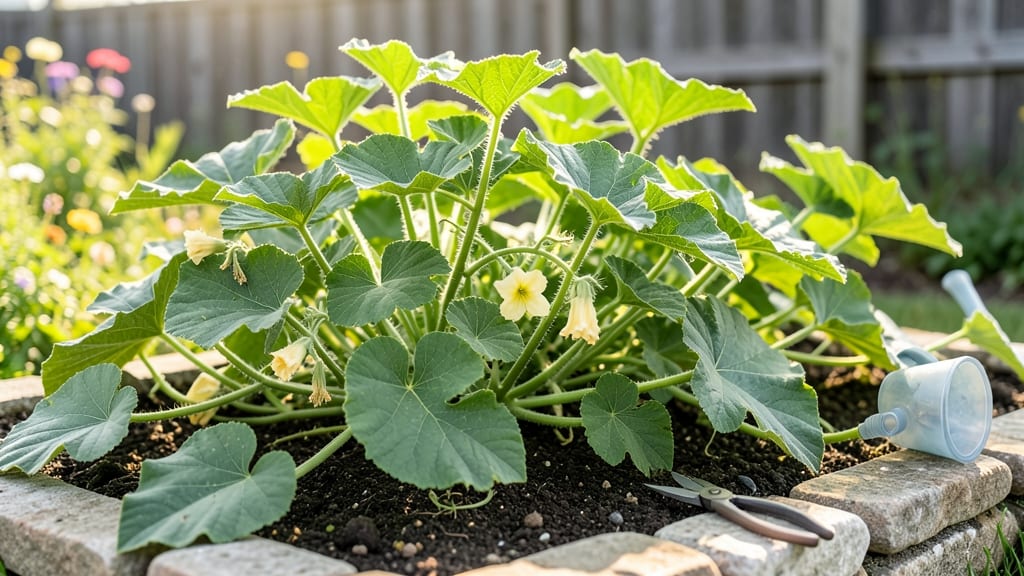
Cantaloupe leaves tell the whole story of your plant’s health—yellowing, spots, or holes aren’t just cosmetic problems. 🌱 I’ve spent years tracking down the root causes of these leaf issues, from cucumber beetles feasting at dawn to powdery mildew creeping in after rain.
The key is matching symptoms to solutions before the plant throws in the towel.
Start by checking the undersides of leaves for pests or fuzzy white coatings—those are your first clues. Most problems boil down to three culprits: bugs, diseases, or nutrient shortages. My go-to fix for yellowing leaves?
A balanced fertilizer and consistent watering at the soil level, never overhead. For spots or holes, targeted sprays or row covers can save your crop before it’s too late.
Once you’ve addressed the issue, your cantaloupe plants will bounce back with vibrant green leaves and stronger vines. The difference between a struggling patch and a thriving vine is often just knowing which problem you’re dealing with—and acting fast.
Preventative care, like proper spacing and clean garden beds, keeps these issues from becoming recurring headaches.
This method works for both backyard gardens and container growers—just adjust the scale. The goal is healthy foliage that supports sweet, ripe fruit. Let’s get those leaves looking their best before harvest season arrives.
📚 In This Guide
- What you need
- Instructions
- Tips and common mistakes
- Wrapping up and next steps
What you need
- ● Cantaloupe seeds or seedlings: 3–5 seeds per plant (or 1–2 seedlings per hill, spaced 2–3 feet apart). Choose disease-resistant varieties like Hale’s Best or Ambrosia.
- ● Well-draining potting mix or garden soil: Amend with compost (50% soil, 50% compost) for optimal nutrition. Avoid heavy clay.
- ● Containers or garden bed: Containers: 5-gallon pots with drainage holes (1 pot per plant).
- ● Garden beds: Full sun (6–8+ hours/day), raised beds preferred for poor drainage.
- ● Fertilizer: Balanced 10-10-10 fertilizer (1 tbsp per plant at planting).
- ● Low-nitrogen 5-10-10 fertilizer (1 tbsp every 3–4 weeks during fruiting).
- ● Watering can or hose with adjustable nozzle: Drip irrigation or soaker hoses work best to avoid wetting leaves.
- ● Pruning shears or sharp scissors: Sterilized with rubbing alcohol for clean cuts.
- ● Diagnostic tools: Magnifying glass (for inspecting leaf details like pests or disease spots).
- ● pH test kit (ideal soil pH: 6.0–6.8 for cantaloupes).
- ● Mulch: Straw or black plastic to retain moisture and suppress weeds.
- ● Row covers: Lightweight fabric to protect seedlings from pests like cucumber beetles.
- ● Neem oil or insecticidal soap: For organic pest control (e.g., aphids, spider mites).
- ● Grow lights: If starting seeds indoors (12–16 hours of light/day).
- ● Journal or camera: Track leaf changes over time for better diagnosis.
How to diagnose and revive struggling cantaloupe leaves
Let's tackle those leaf problems before they spread—and save your melon harvest.
🌿 Step 1: Examine Leaf Color for Clues
Start by inspecting the undersides of leaves for hidden signs. Yellowing edges often signal nutrient deficiencies, while patches of brown or black suggest fungal infections. Hold leaves up to the light—spider mites leave tiny webs in leaf crevices, and aphids cluster along veins.
Check the soil moisture too. Wilting leaves that don't recover after watering point to root stress, while crispy, papery leaves mean underwatering. I always compare affected leaves to healthy ones on the same plant—differences reveal the issue.
💧 Step 2: Test Soil Moisture and Adjust Watering
Stick your finger 1-2 inches deep into the soil. If it feels dry, water deeply until moisture reaches 6 inches down. Cantaloupes hate soggy roots, so avoid daily shallow watering—it encourages rot. Instead, water at the base in the morning to prevent fungal growth.
Yellowing leaves with dry edges? You're likely underwatering. Dark, mushy stems? Overwatering. I've found cantaloupes need 1-1.5 inches of water weekly, but adjust based on your climate. Mulch with straw to retain moisture and keep roots cool.
✂️ Step 3: Prune Damaged Leaves and Improve Airflow
Snip off any leaves with holes, spots, or wilting edges using clean scissors. Removing just 10-20% of foliage boosts airflow and reduces disease spread. Focus on leaves rubbing against vines—these create entry points for pests.
Thin out crowded vines too. Cantaloupes need 2-3 feet of space between plants. I always prune on a cloudy day to reduce stress. After trimming, spray leaves with neem oil (if pests are present) or a diluted baking soda solution for fungal issues.
☀️ Step 4: Check Sunlight and Nutrient Balance
Cantaloupes crave full sun (6-8 hours daily). If leaves are pale and leggy, move plants to sunnier ground or supplement with a grow light. Shade cloth can help in scorching heat, but never block more than 30% of light.
For nutrient issues, test soil pH (ideal: 6.0-6.8). Add compost or a balanced fertilizer (10-10-10) if soil feels depleted. I've seen magnesium deficiency (yellow between veins) fixed by sprinkling Epsom salt around the base—just 1 tablespoon per plant.
🌱 Step 5: Monitor Progress and Prevent Future Issues
After 3-5 days, reassess leaves for improvement. New growth should appear within 2 weeks if the root cause is addressed. Keep a garden journal noting weather, watering, and leaf changes—patterns emerge over time.
Prevent recurrence by rotating crops yearly and removing all plant debris after harvest. I swear by companion planting too—marigolds repel pests, while basil deters flies. Healthy cantaloupe leaves start with proactive care, not just fixes.
Tips & tricks for diagnosing and reviving cantaloupe leaves
A few key strategies will help you pinpoint issues faster and get your cantaloupe plants back on track.
Visual Diagnosis: When examining leaves in Step 1, take photos of both affected and healthy leaves for comparison. Notice the pattern—yellowing between veins suggests magnesium deficiency, while yellowing at edges often means potassium deficiency. I've found that using a magnifying glass helps spot tiny spider mite webs that are invisible to the naked eye.
Watering Wisdom: In Step 2, aim for deep watering rather than frequent shallow watering. Use a moisture meter to check soil moisture at 6 inches deep—this prevents overwatering while ensuring roots get the hydration they need. I've seen cantaloupe plants recover completely within 3-5 days when given the right watering routine.
Pruning Precision: During Step 3, focus on removing only the most severely damaged leaves. This maintains the plant's ability to photosynthesize while improving airflow. I recommend using sterilized pruning shears and making cuts at a 45-degree angle just above a leaf node to encourage new growth.
Nutrient Strategy: For Step 4, if you suspect nutrient deficiencies, conduct a simple soil test before adding amendments. I've found that cantaloupes often need more potassium than nitrogen—look for a fertilizer with higher middle numbers (like 5-10-10) rather than high first numbers (like 12-12-12).
Pro Tips for Cantaloupe Plant Leaf
- A few key strategies will help you pinpoint issues faster and get your cantaloupe plants back on track.
- Visual Diagnosis: When examining leaves in Step 1, take photos of both affected and healthy leaves for comparison.
- Watering Wisdom: In Step 2, aim for deep watering rather than frequent shallow watering.
Frequently asked questions
Got questions about your cantaloupe plant leaves? You’re not alone! Here are some of the most common concerns—and quick fixes—to keep your vines thriving.
Why are my cantaloupe plant leaves turning yellow?
Yellowing leaves (chlorosis) usually signal overwatering or nutrient deficiencies, like low nitrogen or magnesium. Check soil moisture—it should stay consistently damp but not soggy. If the yellowing starts at the edges, it’s often magnesium deficiency. Try a balanced fertilizer or Epsom salt (1 tbsp/gallon of water) to boost magnesium.
What pests attack cantaloupe plant leaves, and how do I get rid of them?
Common culprits include aphids, cucumber beetles, and spider mites. For mild infestations, spray leaves with a mix of water + dish soap (1 tsp/quart). For beetles, use neem oil or row covers early in the season. Remove heavily damaged leaves to prevent spread.
How long does it take for cantaloupe plant leaves to recover from damage?
Recovery time depends on the issue! Mild stress (like pruning or pest control) may show improvement in 3–7 days. For severe damage (e.g., disease or root rot), new growth could take 2–4 weeks. Keep leaves healthy with pruning dead foliage and ensuring 6–8 hours of sunlight daily.
Can I eat cantaloupe leaves if the plant has pests?
No—never consume cantaloupe leaves if pests (like aphids or beetles) are present. These bugs can transfer bacteria or toxins to the fruit. Instead, harvest only the melons and discard affected leaves. Always wash melons thoroughly before eating, even if the plant looks healthy.
What’s the best temperature range for cantaloupe plant leaves to stay healthy?
Cantaloupe thrives in 70–90°F (21–32°C) daytime temps and 60–70°F (15–21°C) nights. Leaves may wilt or scorch above 95°F (35°C) or turn black below 50°F (10°C). Use shade cloth in extreme heat and row covers for frost protection.
Still stumped? Snap a photo of your leaves and compare them to our diagnostic guide for faster solutions!
Wrapping up and next steps
Caring for your cantaloupe plant’s leaves is the key to a thriving harvest—whether you’re troubleshooting pests, diseases, or nutrient deficiencies. 🌱 Now that you’re equipped with identification tips and solutions, it’s time to roll up your sleeves and give your plants the TLC they deserve!
Start by inspecting your leaves weekly and addressing issues early to keep your cantaloupe patch healthy and productive.
Ready to see those sweet melons grow? Take action today! 💪