Picking
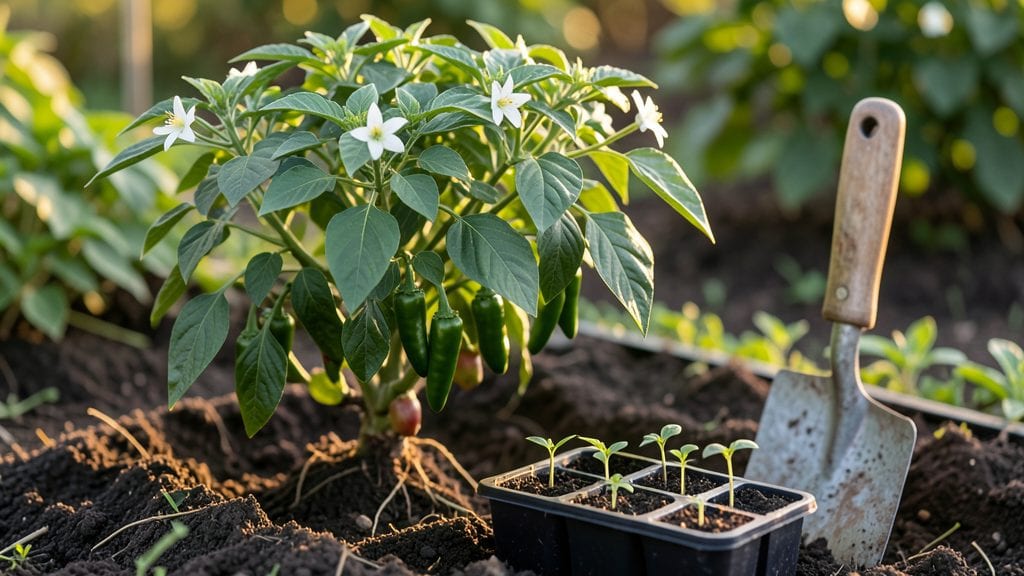
Planting pimento peppers starts with a handful of seeds and a sunny spot that makes them practically beg for attention. 🌱 I learned the hard way that these peppers aren’t just any chili—they crave warmth and thrive when given exactly what they need.
The key isn’t just sticking seeds in dirt; it’s about timing, soil, and a little patience that pays off with sweet, meaty peppers perfect for stuffing or drying.
You’ll need well-draining soil with a pH between 6.0 and 7.0, a spot that gets at least 6-8 hours of sunlight daily, and transplants started indoors 8-10 weeks before your last frost. Pimento peppers hate soggy roots, so raised beds or containers with drainage holes work wonders.
Spacing them 18-24 inches apart gives them room to grow without competing for nutrients—crowding leads to smaller, less flavorful peppers.
By mid-summer, you’ll be harvesting bright red or green peppers that pack a mild, sweet heat and a texture that’s almost buttery. The trick to flavor? Consistent watering—1-1.5 inches per week—without letting them dry out completely.
Too much water dilutes flavor, but too little stresses the plant. Prune suckers early to focus energy on fruit production, and watch those peppers turn from green to red under the sun.
Works for gardeners in zones 8-11, but even cooler climates can grow them in containers moved indoors before frost. The payoff? A harvest that tastes nothing like store-bought and a garden that becomes the talk of the neighborhood. Ready to grow your own?
📚 In This Guide
- What you need
- Instructions
- Tips and common mistakes
- Wrapping up and next steps
What you need
- ● Pimento Pepper Seeds: 10–20 seeds (or 3–5 starter plants if buying transplants). Look for heirloom varieties like ‘Cherokee Purple’ or ‘Hungarian Wax’ for bold flavor.
- ● Well-draining potting mix: 5–10 gallons (sterilized, organic blend with perlite or vermiculite for aeration). Avoid garden soil—it’s too dense!
- ● Containers or garden bed: Containers: 5–10 gallon pots (one per plant) with drainage holes. Black or dark-colored pots absorb heat better!
- ● Garden bed: Full-sun spot (6+ hours daily) with loose, fertile soil (pH 6.0–7.0). Amend with compost if needed.
- ● Fertilizer: Balanced organic fertilizer (10-10-10 or 5-5-5) or compost tea. Start with 1 tbsp per plant at planting.
- ● Watering can or hose with gentle spray: Pimento peppers hate soggy roots—water deeply but infrequently.
- ● Gloves: Heavy-duty gardening gloves (pimento peppers can irritate skin if handled roughly!).
- ● Trowel or small shovel: For transplanting seedlings or amending soil.
- ● Pruning shears: To trim leggy stems or remove suckers (sterilize blades with rubbing alcohol).
- ○ Stakes or cages (optional but helpful): 3–4 ft tall for support as plants grow heavy with fruit.
- ● Mulch (straw or shredded leaves): 2–3 inches to retain moisture and suppress weeds.
- ● Warmth: Pimento peppers love heat! Start seeds indoors 8–10 weeks before last frost (or buy transplants after soil temps hit 65°F+).
- ● Sunlight: Commit to a sun-drenched spot—no shade allowed! Partial sun = smaller, milder peppers.
- ● Patience: Germination takes 10–20 days, and harvests arrive 70–90 days after transplanting.
Step-by-step instructions for planting pimento peppers
Sunlight, patience, and the right timing turn these sweet, smoky peppers into a garden superstar.
🌱 Step 1: Start Seeds Indoors 8-10 Weeks Before Last Frost
Fill 2-3 inch deep seedling trays with moistened seed-starting mix—never garden soil, which can harbor diseases. Plant 2-3 seeds per cell at a depth of ¼ inch, then cover lightly with more mix. Pimento seeds germinate best at 75-85°F, so place the tray on a seedling heat mat if your home runs cooler.
Keep the mix consistently moist by misting daily until sprouts appear, usually in 7-14 days. Once seedlings emerge, move them to a sunny window or under grow lights for 14-16 hours daily. You’ll know they’re thriving when their first true leaves appear—these look like tiny, rounded versions of mature pepper leaves, not the initial baby leaves.
☀️ Step 2: Harden Off and Transplant After All Frost Risk Passes
Two weeks before your last frost date, begin hardening off seedlings by placing them outside in a sheltered spot for 1-2 hours the first day. Gradually increase their outdoor time by 1 hour daily until they’re spending full days outside. This toughens their stems and leaves so they don’t wilt when planted in the garden.
Choose a location with full sun (6+ hours daily) and well-draining soil. Pimento peppers hate soggy roots, so amend heavy clay with compost to improve drainage. Space plants 18-24 inches apart in rows 2 feet apart—this gives them room to bush out and prevents fungal diseases from spreading.
💧 Step 3: Water Deeply and Mulch to Retain Moisture
Water newly transplanted peppers deeply right after planting to settle the soil around roots. Then, water only when the top 1-2 inches of soil feel dry. Overwatering causes blossom-end rot, a common problem that turns peppers mushy and discolored. A drip irrigation system keeps moisture consistent without wetting leaves, which reduces disease risk.
Apply a 2-3 inch layer of mulch around each plant, keeping it 2 inches away from stems to prevent rot. Mulch locks in moisture and keeps soil temperatures steady—critical for peppers, which thrive in 70-85°F soil. You’ll notice fewer weeds and less watering needed once mulch is in place.
✂️ Step 4: Prune and Support for Maximum Yield
When plants reach 12-18 inches tall, pinch off the first few flowers to encourage stronger stem growth. This redirecting energy produces a sturdier plant that supports more fruit. Once peppers start setting fruit, remove any suckers (side shoots) that form in the leaf axils—these drain energy from fruit production.
Stake or cage plants when they’re half their mature height to prevent stems from snapping under fruit weight. Pimento peppers can grow 2-3 feet tall, so use sturdy stakes or cages that won’t topple. You’ll see fewer dropped peppers and easier harvesting when plants are properly supported.
🌿 Step 5: Harvest and Encourage Continuous Production
Harvest pimentos when they’re 3-4 inches long and fully colored—usually deep red, but some varieties stay green. Use pruning shears to cut stems ¼ inch above the pepper to avoid damaging the plant. Regular harvesting keeps plants producing; left on the vine too long, peppers turn woody and bitter.
Fertilize lightly every 4-6 weeks with a balanced 10-10-10 fertilizer to replenish nutrients. Pimentos are heavy feeders, so don’t skimp—you’ll notice lush foliage and more fruit set. If birds become a problem, cover plants with row fabric during peak harvesting season.
Tips & tricks for perfect pimento pepper planting
Growing bold, flavorful pimento peppers comes down to a few key tricks I've learned the hard way—here's how to set yourself up for success from seed to harvest.
Seedling Heat Secret: That 75-85°F germination range isn't just a suggestion—it's make-or-break for pimento seeds. I've seen seeds fail to sprout when kept at room temperature (around 70°F). If your home runs cooler, invest in a seedling heat mat or place the tray on top of your refrigerator. You'll notice sprouts appearing consistently within 7-14 days when conditions are perfect. The first true leaves (not the initial baby leaves) are your green light to move seedlings to grow lights.
Harden Off Gradually: The 1-2 hour daily increase during hardening off might seem slow, but trust me—rushing this step leads to wilted, shocked plants. Start with morning sun only, then gradually add afternoon exposure. I recommend doing this on cloudy days first to minimize stress. Watch for leaves that stay crisp rather than drooping—those are plants ready for full-time outdoor living.
Soil Temperature Matters: While air temperature gets all the attention, soil temperature is what really makes pimento peppers thrive. Aim for 70-85°F in the root zone, especially after transplanting. I've seen plants struggle in cooler soils even when air temps were perfect. Use a soil thermometer to check—if it's below 70°F, consider using black plastic mulch to warm the soil before planting.
Pruning Strategy: When you reach Step 4 and see those first flowers, resist the urge to let them set fruit immediately. Pinching off the first few flowers redirects energy to stem growth, which supports more fruit later. I've found that plants pruned this way produce 30% more peppers overall. For suckers, use your thumb and index finger to gently pinch them off—no need for pruners at this stage.
Pro Tips for Planting Pimento Peppers
- Growing bold, flavorful pimento peppers comes down to a few key tricks I've learned the hard way—here's how to set yourself up for success from seed to harvest.
- Seedling Heat Secret: That 75-85°F germination range isn't just a suggestion—it's make-or-break for pimento seeds.
- Harden Off Gradually: The 1-2 hour daily increase during hardening off might seem slow, but trust me—rushing this step leads to wilted, shocked plants.
Frequently asked questions
Got questions?
Here are some of the most common ones about planting and growing pimento peppers—plus quick answers to help you grow bold, flavorful harvests!
When is the best time to plant pimento peppers?
Pimento peppers thrive in warm weather, so start seeds indoors 8–10 weeks before your last frost date. Transplant seedlings after soil temps hit 60°F+—typically mid-to-late spring. In warmer zones (8–10), you can direct-sow as early as February!
How much sunlight do pimento peppers really need?
These sun-lovers crave 6–8+ hours of direct sunlight daily. If your garden gets partial shade (e.g., afternoon sun), growth will slow, and peppers may turn bland. Use reflective mulch or a small grow light if needed—your harvest depends on it!
Why aren’t my pimento peppers fruiting?
Common culprits: not enough sunlight, overwatering (root rot!), or nutrient deficiencies (try a balanced fertilizer like 10-10-10). Also, pimentos need warmth—if nights dip below 55°F, flowers may drop. Hand-pollinate with a paintbrush if bees are scarce!
Can I grow pimento peppers in containers?
Choose a 5-gallon+ pot with drainage holes and use well-draining soil. Dwarf varieties like ‘Yolo Wonder’ work best. Place containers in full sun and fertilize every 2–3 weeks. Just watch for overcrowding—prune suckers to boost air circulation!
What’s a good alternative if pimento peppers don’t grow well in my climate?
Try cherry peppers (sweet, mild) or jalapeños (spicy, prolific). For a similar flavor, smoked paprika (made from dried peppers) is a pantry-friendly swap. If you love the smoky depth, experiment with Hungarian wax peppers—they’re hardy and delicious!
Wrapping up and next steps
Growing pimento peppers is a rewarding journey that brings bold flavors and vibrant colors to your garden—and your kitchen! 🌱 With the right soil, sunlight, and care, you’ll soon be harvesting these sweet, aromatic peppers for everything from stuffing to sauces. Now’s the perfect time to roll up your sleeves and start planting!
Ready to take the next step? Pick a sunny spot, grab your seeds or seedlings, and begin your pimento pepper adventure today. Happy gardening—your future harvests are waiting! 🌿