How To
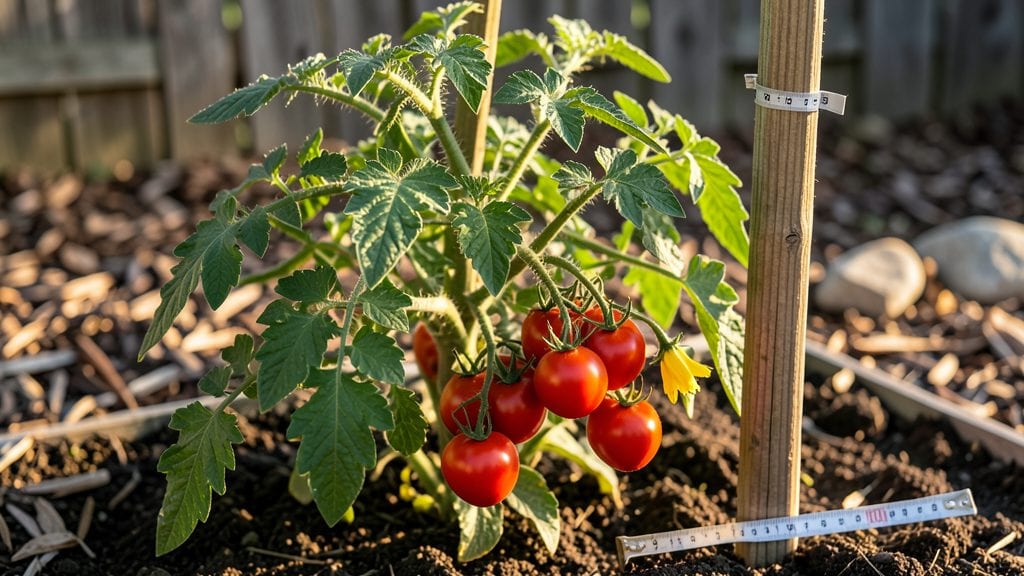
Wondering how tall does tomato plants grow? You’ll be amazed—some stay as short as 1 foot, while others reach towering heights of 12 feet with proper support.
If you’ve ever watched your tomato seedlings shiver under a late spring frost or sprawl uncontrollably across your garden, you’re not alone. The truth is, tomato height isn’t just about the variety—it’s also about how you prune, stake, and even where you plant them.
A 3-foot determinate plant like Roma can produce all its fruit in one go, while a 6-foot indeterminate like Sungold keeps growing and fruiting all season long.
Knowing how tall your tomato plants will get helps you plan spacing, choose the right support, and avoid common mistakes like overcrowding or under-supporting vines. Whether you’re working with a small balcony or a sprawling backyard, the right height guide ensures you maximize yield without sacrificing space or structure.
Below, I’ll break down the key differences between determinate and indeterminate varieties, share spacing tips, and explain how pruning and trellising can keep your plants happy—no matter how tall they grow.


Tomato plant height by variety: determinate vs. indeterminate growth explained
Choosing the right tomato variety isn’t just about flavor—it’s about space management and growth control. Determinate tomatoes grow in compact bushes, while indeterminate types climb like vines, sometimes reaching 10+ feet if left unchecked.
This difference affects everything from pruning needs to harvest timing, and understanding it can save you from crowded plants or wasted effort.
For example, the Roma tomato stays neat at 3–4 feet, perfect for containers, while Sungold cherry tomatoes can stretch to 6+ feet without support. Your garden layout—and your back—will thank you for knowing the difference before planting.
🌱
| Type | Height Range | Growth Habit | Best For | Pruning Needs |
|---|---|---|---|---|
| Determinate | 1–5 ft | Bushy, compact | Containers, small spaces | Minimal (remove suckers) |
| Indeterminate | 6–12+ ft | Vining, continuous growth | Trellises, large gardens | Heavy (regular pruning) |
| Roma | 3–4 ft | Determinate | Sauces, paste | None (unless overcrowded) |
| Sungold | 6–10 ft | Indeterminate | Snacking, salads | Frequent (every 2 weeks) |
| Celebrity | 4–5 ft | Determinate | All-purpose slicing | Light (remove lower leaves) |
| Brandywine | 8–12 ft | Indeterminate | Heirloom slicing | Heavy (weekly) |
Determinate tomatoes are the workhorses of small gardens. They produce fruit in one flush, making them ideal for canning or early harvests. Varieties like Better Boy (5–6 ft) or Early Girl (3–4 ft) thrive with minimal support, but their single harvest window means timing is critical.
Indeterminate types, however, keep producing until frost. This makes them perfect for extended harvests, but their uncontrolled growth demands staking or trellising. Without support, they’ll sprawl across your garden, shading other plants and making fruit harder to reach.
🌿
Your pruning approach should match the variety. Determinate tomatoes rarely need pruning beyond removing suckers (side shoots) to improve airflow. Indeterminate types, though, benefit from regular pruning—removing suckers and lower leaves—to direct energy to fruit production and prevent disease.
For example, if you’re growing Sungold cherry tomatoes, prune aggressively to keep the plant under 6 feet unless you’re using a tall trellis. This not only controls height but also boosts fruit quality by reducing competition for resources.
🪴
Another key factor is spacing requirements. Determinate tomatoes can be planted 18–24 inches apart, while indeterminate types need 24–36 inches (or more if using a trellis). Crowding leads to poor air circulation, increasing the risk of blight or fungal diseases—a common issue with tall, dense vines.
Pro tip: If you’re short on space, choose dwarf indeterminate varieties like Tiny Tim (4–5 ft) or Micro Tom (1–2 ft). These still produce continuously but stay manageable in containers or small plots.
✂️
How to support tall tomato plants: trellis, cage, OR stake? Height-based guide
Choosing the right support for your tomato plants isn’t just about aesthetics—it’s about maximizing yield and preventing disease. Tall varieties like Sungold cherry tomatoes (6+ ft) need sturdy trellises, while Roma tomatoes (3–4 ft) thrive in 5-foot cages.
The wrong support can lead to broken stems or fungal issues from poor airflow. Let’s break down the best options based on your plant’s mature height.
First, match your support to the growth habit. Determinate tomatoes (bush types) stop growing at 3–5 feet and produce fruit in clusters, while indeterminate varieties keep growing until frost, often reaching 8–12 feet.
Over-pruning tall indeterminate types can reduce fruit production, but proper support keeps them upright and sun-exposed for bigger harvests.
Here’s a quick comparison to help you decide:
Cons: Requires tying plants, can be expensive for large gardens.
Cons: Restricts airflow, can trap moisture (risk of blight).
Cons: Not ideal for heavy fruit loads, limited to 1–2 plants.
For indeterminate tomatoes, a DIY trellis made from bamboo stakes and twine is my go-to. Use 4–6-foot stakes spaced 18–24 inches apart and train the main stem vertically. Tie the stem loosely with soft ties (like velcro plant ties) every 12 inches to avoid damaging the plant.
Avoid over-pruning—leave 3–4 leaves below each fruit cluster to support growth.
If you’re growing cherry tomatoes like Sweet 100, skip the cage—it can crush delicate branches. Instead, use a lightweight trellis or floral wire to create a mini trellis system.
For heirloom varieties like Brandywine, a 6-foot cage works, but add extra stakes for stability. Always bury supports at least 6 inches deep to prevent toppling.
One common mistake is using a single stake for tall indeterminate plants—they’ll flop over under the weight of fruit. Instead, create a teepee structure with 3–4 stakes tied at the top for extra support.
And remember: prune suckers (side shoots) regularly to redirect energy to fruit production, but never remove more than 1/3 of the plant’s foliage at once.
Proper support isn’t just about keeping plants upright—it’s about optimizing sunlight, reducing disease, and boosting yields. Whether you choose a trellis, cage, or stake, tailor it to your tomato’s height and growth habit.
With the right setup, you’ll enjoy healthier plants and bigger harvests all season long. 🌱