How To
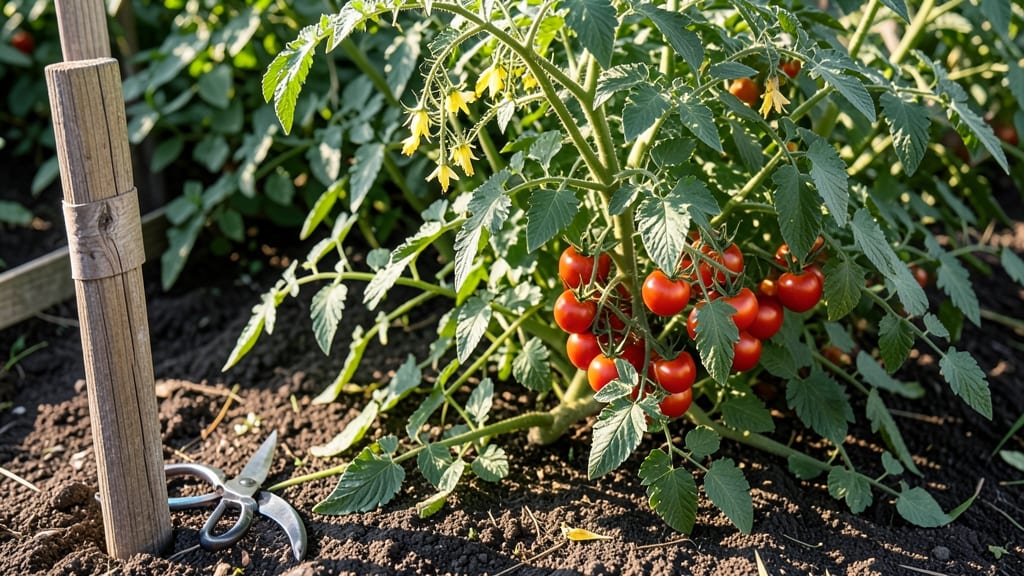
Wondering how tall should tomato plants grow, you’ll find their heights vary wildly—from a modest 1 foot to a staggering 10 feet—but it all comes down to the variety you’ve chosen.
Wondering why your tomato plants are either sprawling uncontrollably or barely reaching waist height? The ideal height for tomato plants depends entirely on the variety—and getting it right can mean the difference between a bumper crop and a disappointing harvest.
Determinate varieties like Roma tomatoes cap out around 3 to 4 feet, while indeterminate types such as Beefsteak can climb to 6 feet or more if left unchecked. Without proper support or pruning, even the hardiest varieties can become leggy, weak, or prone to disease.
Below, I’ll break down the exact height ranges for popular varieties, how to control growth for maximum yield, and the common mistakes that stunt or overgrow your 🍅 plants—so you can plan your garden layout and support system like a pro.


Tomato plant height by variety: determinate vs indeterminate growth patterns
When planning your tomato garden, understanding tomato plant height is crucial because it directly impacts your harvest yield and garden layout. Tomatoes grow in two distinct patterns: determinate (bush-type) and indeterminate (vining-type).
These growth habits determine how tall your plants will become and how you should manage them for maximum production.
Determinate tomatoes grow to a predictable height—typically between 3 to 5 feet—and produce fruit all at once. Indeterminate varieties, on the other hand, keep growing until frost, often reaching 6 to 12 feet or more, with a continuous harvest.
Knowing which type you're growing helps you choose the right support systems and pruning techniques to avoid overcrowding or disease.
| Variety Type | Mature Height | Growth Pattern | Harvest Window | Best For |
|---|---|---|---|---|
| Determinate | 3–5 ft | Bushy, compact | All at once (2–3 weeks) | Canning, sauces, containers |
| Indeterminate | 6–12+ ft | Vining, continuous | Ongoing (all season) | Fresh eating, slicing |
| Roma (Determinate) | 4–5 ft | Bushy, dense | 2–3 weeks | Pasta sauce, canning |
| Cherry (Indeterminate) | 6–10 ft | Vining, sprawling | All season | Snacking, salads |
| Beefsteak (Indeterminate) | 6–12 ft | Tall, sprawling | Ongoing | Slicing, sandwiches |
| Celebrity (Determinate) | 3–4 ft | Compact, early producer | 2–3 weeks | Early harvests, containers |
If you're growing determinate tomatoes, like Roma or Celebrity, expect a shorter stature with a single harvest. These varieties are perfect for small gardens or container growing because they don’t require extensive support.
Their compact growth also makes them ideal for canning and sauces, since all fruit ripens simultaneously.
On the other hand, indeterminate tomatoes, such as Cherry or Beefsteak, can grow taller than a basketball hoop if left unchecked. These varieties need strong trellises or cages to support their weight and prevent fruit rot from touching the ground.
Their continuous harvest makes them a favorite for fresh eating, but they require more pruning and space management.
For small-space gardens, consider dwarf varieties like Tiny Tim (1–2 feet) or Patio Princess (3–4 feet). These bush-type tomatoes are bred for containers and balconies, making them perfect for urban gardeners.
Even if you love indeterminate varieties, you can train them to stay shorter by pruning suckers and using vertical supports.
One common mistake is assuming all tomatoes grow the same height. Overcrowding happens when gardeners plant indeterminate varieties too close together, leading to poor air circulation and disease spread.
Conversely, under-supporting tall varieties can cause broken stems or fruit damage during heavy rains. Always check the variety’s mature height before planting and adjust your garden layout accordingly.
To maximize tomato plant height without sacrificing yield, use stakes or cages for indeterminate types and mulch heavily to retain moisture. For determinate tomatoes, focus on soil fertility and consistent watering to encourage bushy growth.
Whether you're growing 6-foot Beefsteaks or 3-foot Romas, understanding these growth patterns will help you plan a productive and low-stress tomato garden.
Pro tip: If you’re unsure about your tomato’s growth habit, check the seed packet or plant tag. Most reputable seed companies clearly label determinate vs. indeterminate varieties, saving you from guesswork. Happy planting—your tomato harvest will thank you!
How to control tomato plant height for optimal yield and space efficiency
Mastering the art of tomato plant height control is key to maximizing your harvest while keeping your garden organized. Whether you're dealing with indeterminate giants or determinate bush varieties, proper techniques ensure healthy growth and prevent disease.
The right approach depends on your space constraints, climate, and the specific tomato variety you're growing.
Overly tall plants can become disease magnets due to poor air circulation, while plants that are too short may struggle to produce fruit efficiently.
By using the right combination of pruning methods, support systems, and training techniques, you can create an ideal balance between height management and fruit production. Let's explore the most effective ways to control your tomato plants' height while ensuring a bountiful harvest.
How Tall Should Tomato Plants Grow?
- Determinate varieties: Typically 3-5 feet tall (bush-type). Ideal for containers and small spaces.
- Indeterminate varieties: Can grow 6-10+ feet tall (vining type). Require strong support systems.
- Dwarf varieties: Stay under 2-3 feet tall. Perfect for patio gardens and small pots.
- Semi-determinate: Grow 4-6 feet tall. Hybrid between bush and vining types.
- Trellised plants: Can be kept at 5-7 feet for easier harvesting and better air flow.
For indeterminate varieties, regular pruning is essential to control height and direct energy toward fruit production. Remove suckers—the small shoots that grow in the leaf axils—every 1-2 weeks during the growing season. This encourages stronger stems and larger fruit while preventing the plant from becoming top-heavy.
Always prune in the morning to allow wounds to heal during the day, reducing the risk of disease entry points.
Installing a trellis system or stakes early in the season provides the necessary support for tall varieties. Use 3-4 foot bamboo stakes for smaller plants or tall metal cages (6+ feet) for indeterminate types.
If using stakes, tie the main stem loosely with soft plant ties every 12-18 inches to prevent stem damage. For trellises, weave the vine gently to encourage upward growth while maintaining good air circulation around the foliage.
Another effective method is using cage supports, which work particularly well for indeterminate varieties in containers. Choose cages that are at least 5 feet tall and made of sturdy wire to prevent collapse as the plant grows. Place the cage at planting time to avoid disturbing roots later.
This method requires minimal pruning while still controlling height and improving fruit accessibility. Just be sure to secure the plant to the cage as it grows to prevent toppling.
Remember that over-pruning can reduce your yield, so always leave enough foliage to provide photosynthesis energy for fruit development. Aim to remove no more than 20-30% of the plant's foliage at any one time.
For determinate varieties, minimal pruning is usually sufficient—just remove any diseased or damaged leaves to maintain plant health. The goal is to strike a balance between managing height and preserving the plant's ability to produce fruit efficiently.