
Propagation
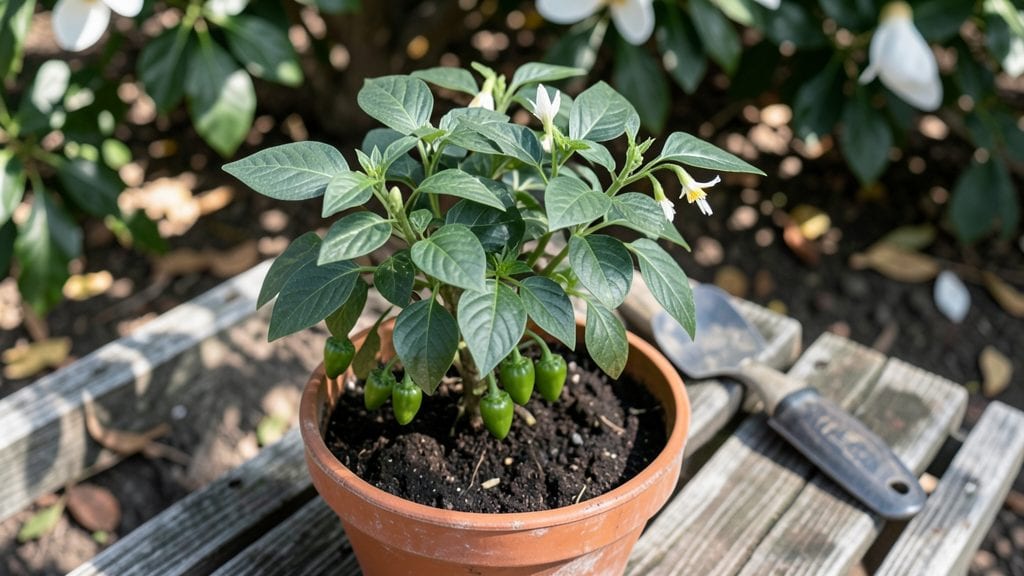
Planting hot pepper seeds is where the real heat begins—literally. 🌶️ I’ve learned that the difference between a patch of sad seedlings and a jungle of fiery peppers often comes down to those first few days after planting.
The right soil warmth, moisture, and patience can turn a slow start into a bold harvest.
You’ll need just a few simple supplies: seed-starting mix (not garden soil), small pots or a seed tray, a heat mat or sunny windowsill, and some patience. Most hot peppers—like habaneros or jalapeños—germinate best when soil stays between 75-85°F, which is warmer than your average kitchen.
A heat mat or even a warm spot on top of the fridge can work wonders.
Once planted ¼ inch deep, keep the soil damp (not soggy) and expect sprouts in 7-14 days. The first true leaves signal it’s time to move them into brighter light.
Damping off—that fuzzy mold—is the biggest enemy here, so avoid overwatering and ensure good airflow. A quick spray of diluted hydrogen peroxide can help if you spot trouble.
By the time you’re pinching off early blooms, you’ll be on your way to a plentiful harvest—just don’t blame me if your neighbors start asking for “mild” peppers. The key is consistency: warmth, light, and a little extra care in those critical first weeks. Ready to grow something spicy?
📚 In This Guide
- What you need
- Instructions
- Tips and common mistakes
- Wrapping up and next steps
What you need
- ● Hot pepper seeds – Choose heirloom or hybrid varieties (e.g., Cayenne, Habanero, Carolina Reaper). Buy from reputable seed suppliers (e.g., blank">Baker Creek, Johnny’s Selected Seeds). Quantity: 5–10 seeds per variety (or more if experimenting!).
- ● Seed-starting mix – Lightweight, sterile, and well-draining (avoid garden soil). Recommended: 50% peat moss + 50% perlite/vermiculite blend. Quantity: 1–2 cubic feet (or pre-made seedling trays).
- ● Containers – Small pots (2–3 inches deep), seed trays, or even recycled containers (yogurt cups, egg cartons). Quantity: 1 per seed (or 2–3 seeds per cell in trays). Tip: Poke drainage holes if using non-porous containers!
- ● Grow lights or sunny windowsill – Hot peppers need 12–16 hours of light daily. LED grow lights (full-spectrum) are ideal; south-facing windows work too.
- ○ Spray bottle – For gentle watering (avoid drowning seeds!). Optional: A humidifier or plastic dome to retain moisture.
- ○ Heat mat (optional but highly recommended) – Maintains 75–85°F soil temps for faster germination. Budget pick: A seedling heat mat (e.g., blank">Vivapod).
- ● Germination boosters: Chibis (pepper seeds pre-sprouted on paper towels) – Skip the wait! Pre-sprout seeds for 3–5 days before planting.
- ● Hydrogen peroxide (3%) – Soak seeds for 5 minutes to kill fungi/bacteria. 💡 Pro tip: Use a 1:10 dilution (1 part H₂O₂ to 10 parts water).
- ● pH test kit – Hot peppers thrive in 6.0–6.8 pH. Adjust soil if needed (lime to raise, sulfur to lower).
- ● Fertilizer – Start with a balanced, water-soluble fertilizer (e.g., 5-5-5 or 10-10-10) at half-strength once seedlings sprout.
- ● Label markers – Track varieties and planting dates (trust us, you’ll forget!).
- ● No direct sunlight too soon: Seedlings burn easily! Start with indirect light or shade cloth.
- ● Overwatering: Keep soil moist but not soggy. Bottom-watering (placing trays in water) prevents damping-off.
- ● Cold drafts: Hot peppers hate temps below 55°F. Keep them cozy!
Step-by-Step instructions for planting hot pepper seeds
Here's how to get your fiery peppers off to a blazing start—no more waiting weeks for stubborn sprouts.
🌱 Step 1: Prep Seeds and Containers for Faster Germination
Hot pepper seeds germinate best when pre-treated to break dormancy. Fill your 4-inch pots with moistened seed-starting mix (I like to mix it with a pinch of perlite for extra airflow). Soak your seeds in lukewarm water for 12 hours—this softens the outer coating and speeds up germination.
After soaking, place seeds between damp paper towels in a sealed container. Keep them in a warm spot (80-85°F) until they sprout, which should happen in 3-5 days. You'll see tiny white roots emerging first—that's your cue they're ready for soil.
💧 Step 2: Plant Pre-Sprouted Seeds at the Right Depth
Plant each seedling ½ inch deep in the prepared pots, pressing gently to ensure good soil contact. Space them 1 inch apart—crowding leads to weak stems and disease. I use a toothpick to make small holes for precise placement, which prevents disturbing the delicate roots.
Cover the pots with clear plastic wrap to create a mini greenhouse effect. This keeps humidity high and warmth consistent, both critical for hot peppers. Check daily for condensation—if you see water droplets, remove the wrap for 10 minutes to prevent mold.
☀️ Step 3: Provide Warmth and Light for Strong Starts
Place your pots under a grow light or in a sunny window where they'll get 12-14 hours of light daily. Hot peppers need warmth to thrive, so keep them in a spot where soil stays between 70-80°F. A heat mat helps if your home runs cooler.
You'll notice the first true leaves (not the initial seed leaves) appear in 10-14 days. These should be dark green and sturdy. If leaves look pale or leggy, your light source is too far away—move it within 3 inches of the plants.
✂️ Step 4: Thin and Harden Off for Transplant Success
When seedlings have 2-3 sets of true leaves, thin to the strongest plant per pot. Snip the weaker ones at soil level with clean scissors—don't pull, or you'll disturb the roots of the remaining plant. This step ensures your peppers have plenty of nutrients to grow bold and flavorful.
Start hardening off 2 weeks before your last frost date by moving pots outside for 1-2 hours daily, gradually increasing time. Watch for wilting—if it happens, bring them back inside immediately. Once they tolerate 6+ hours outdoors, they're ready for the garden.
Tips & tricks for perfect hot pepper seed germination
Real talk: Those 12 hours of seed soaking and 80-85°F warmth aren't just suggestions—they're your secret weapon for beating stubborn germination delays.
Soaking Science: The 12-hour soak breaks dormancy by softening the seed coat, but don't cut it short! I've seen seeds take 24 hours to fully absorb water—patience here means faster sprouts later. Use lukewarm water (not hot) to avoid shocking the seeds, and keep them submerged just enough to cover completely. After soaking, drain them thoroughly before transferring to paper towels to prevent mold growth.
Heat Hack: Maintaining that 80-85°F range is crucial during germination. I place my seed tray on top of my refrigerator (where it's naturally warm) or use a seedling heat mat set to low. If your home runs cooler, consider a small, enclosed space like a cabinet with a light bulb for consistent warmth. Pro tip: Use a thermometer to monitor—peppers won't sprout reliably below 75°F.
Light Timing: Those 12-14 hours of light in Step 3 are non-negotiable for preventing leggy seedlings. I set up my grow lights on a timer to automate this—no guesswork! Position lights just 2-3 inches above the seedlings (closer than you think) and adjust as they grow. Watch for pale yellow leaves as a sign they're stretching for light. Remember, hot peppers need bright light from day one, not just after they sprout.
Humidity Control: The plastic wrap in Step 2 creates that perfect humid environment, but don't let it become a swamp. Check daily for condensation—if you see heavy droplets, remove the wrap for those 10 minutes to prevent mold. I poke small holes in the wrap if condensation builds up overnight. This balance keeps humidity high enough for root development but prevents fungal issues that can kill your seedlings before they start.
Pro Tips for Planting Hot Pepper Seeds
- Real talk: Those 12 hours of seed soaking and 80-85°F warmth aren't just suggestions—they're your secret weapon for beating stubborn germination delays.
- Soaking Science: The 12-hour soak breaks dormancy by softening the seed coat, but don't cut it short!
- Heat Hack: Maintaining that 80-85°F range is crucial during germination.
Frequently asked questions
Got questions about growing fiery peppers from seed? You’re not alone!
Here are answers to the most common concerns—so you can skip the guesswork and get straight to spicy success.
How long does it take for hot pepper seeds to germinate?
Most hot pepper seeds sprout in 7–21 days, depending on the variety, warmth, and moisture. Jalapeños and serranos often germinate faster (7–14 days), while heirlooms like Carolina Reapers may take longer. Pro tip: Use a heat mat (75–85°F) to speed things up!
Can I plant hot pepper seeds directly in the ground?
Direct sowing is risky—pepper seeds hate cold soil (below 60°F) and slow to grow. Instead, start indoors 8–12 weeks before last frost, then transplant seedlings after all danger of frost passes. Hot tips: Harden off seedlings for 1–2 weeks before moving them outside!
Why aren’t my hot pepper seeds sprouting?
Common culprits: too cold (use a heat source!), damp but not moist enough (keep soil consistently damp, not soggy), or old seeds (store-bought seeds last 1–2 years). Try soaking seeds in warm water overnight before replanting—or test a few in a damp paper towel to check viability.
What if I don’t have a greenhouse or grow lights?
No problem! Place seed trays near a sunny window (south-facing is best) or under grow lights 12–16 hours/day. A clear plastic dome or ziplock bag creates a mini greenhouse effect. Alternative: Use a seedling heat mat ($10–$20) for faster, stronger starts.
How do I know if my hot pepper plants are ready to harvest?
Harvest when peppers reach 75% of their mature size and color shifts (e.g., green → red for jalapeños). Pinch off flowers if you want bigger peppers! For maximum heat, let them ripen fully—but harvest early for milder flavors. Pro move: Use pruning shears to avoid damaging plants.
Wrapping up and next steps
Growing hot peppers from seed is a rewarding journey—one that delivers bold flavors, fiery harvests, and the deep satisfaction of nurturing life from scratch. 🌱 With the right tricks—like pre-soaking seeds, maintaining warmth, and providing gentle care—you’ll be well on your way to a thriving garden.
Now that you’re armed with these speed-germination secrets, why not start today? Grab your seeds, prep your setup, and let the spicy adventure begin!
🚀 Next Steps:
- Pick your favorite hot pepper varieties (like habaneros or ghost peppers) and order seeds.
- Set up your germination station and watch those sprouts pop!
- Share your progress with fellow gardeners—tag us @[YourHandle] for a chance to be featured!