
Pruning
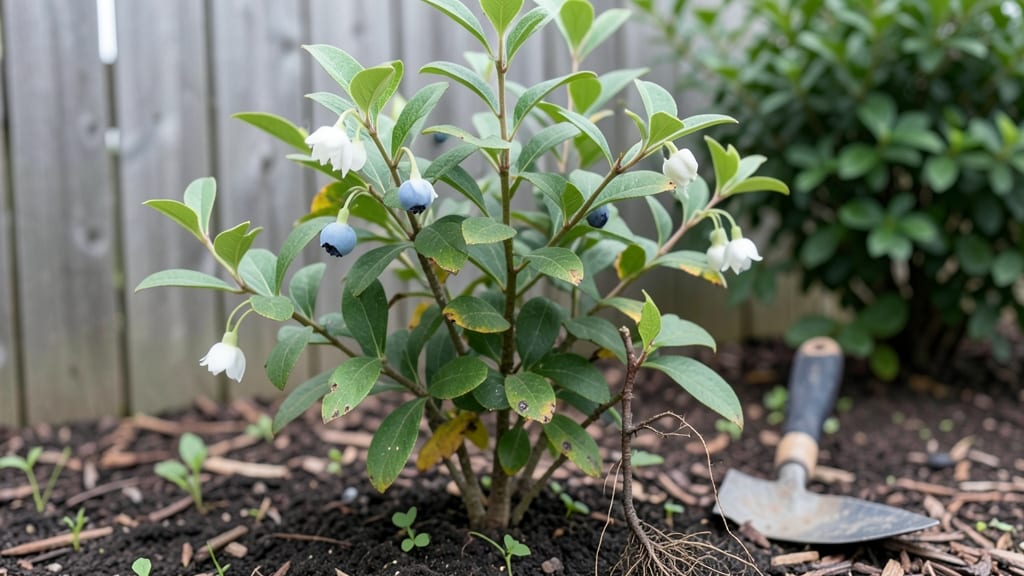
Mastering the blueberry bush planting requirements—acidic soil, full sun, and proper spacing—is the secret to thriving bushes and bountiful harvests, or you’ll end up with underwhelming results. 🌿 I learned that the hard way after my first two bushes struggled in neutral soil and partial shade, producing just a handful of berries each summer.
The difference between a thriving bush and a struggling one often comes down to these three factors, and getting them right means berries so plentiful you'll need jars to preserve them.
Blueberries demand soil with a pH between 4.5 and 5.5—think of it as their version of a perfect cup of tea.
If your soil tests higher, you'll need to amend it with peat moss or sulfur, and for varieties like 'Duke' or 'Bluecrop', northern and southern cultivars have slightly different sunlight needs.
Most need 6 to 8 hours of direct sun daily, though some southern varieties tolerate a bit of afternoon shade. Spacing is critical too: 4 to 6 feet apart for standard bushes, or 3 to 4 feet for dwarf varieties, to ensure airflow and prevent disease.
Once planted, keep the soil consistently moist but never soggy—watering deeply once a week is better than light daily sprinkles. Mulch with pine needles or wood chips to maintain acidity and retain moisture, and avoid fertilizers with high lime content.
Within 2 to 3 years, you'll see strong canes and the first real harvest, with bushes living—and producing—for decades if cared for properly. The key is patience; blueberries don't rush, but they reward it with buckets of sweet, juicy berries.
This works for both backyard gardens and container growing (in large pots with acidic mix), though container bushes may need extra winter protection in colder zones. The biggest mistake beginners make?
Ignoring soil acidity or crowding bushes too closely. Stick to these basics, and you'll be picking berries for years to come—no fancy tricks required.
📚 In This Guide
- What you need
- Instructions
- Tips and common mistakes
- Wrapping up and next steps
What you need
- ● Blueberry plants: 1–3 dwarf (3–4 ft tall) or semi-dwarf (5–6 ft tall) bushes per person (or 1–2 standard bushes for larger spaces). Choose northern-highbush (for zones 4–7), southern-highbush (zones 5–9), or lowbush (zones 3–5) varieties based on your climate.
- ● Well-draining soil: 1–2 cubic yards of acidic soil mix (pH 4.5–5.5) or peat moss/perlite blend for amending existing soil. Test your soil’s pH with a soil test kit (available at garden centers).
- ● Organic mulch: 2–3 inches of pine bark fines, pine needles, or wood chips (avoid cedar—it’s toxic!).
- ● Fertilizer: Acid-loving plant fertilizer (e.g., Miracle-Gro Azalea, Camellia, & Rhododendron) or cottonseed meal (10–20 lbs per 100 sq ft).
- ● Watering supplies: Hose with soaker hose or drip irrigation system (critical for consistent moisture).
- ● 5-gallon watering can (for young plants).
- ● Pruning tools: Sharp bypass pruners (for clean cuts).
- ● Loppers (for thicker branches).
- ● Garden gloves (to protect from thorns!).
- ● Epsom salt: 1 lb (for magnesium boost in soil).
- ● Blueberry plant food: Osmocote Smart-Release Plant Food (slow-release fertilizer).
- ● Bird netting: To protect ripe berries from hungry birds! 🐦
- ● Trellis or stakes: For supporting larger varieties (e.g., ‘Duke’ or ‘Bluecrop’).
- ● Soil pH adjusters: Aluminum sulfate (to lower pH) or lime (to raise pH, though rarely needed for blueberries).
Step-by-Step guide to planting blueberry bushes for optimal growth
Here’s the foolproof method I use to establish blueberry bushes that thrive and produce for decades.
☀️ Step 1: Select the Perfect Sunlight Spot
Blueberries demand full sun exposure—at least 6-8 hours daily. I always scout locations with morning sunlight and afternoon shade in hot climates, as scorching afternoon rays can stress young plants. Avoid low-lying areas where cold air settles—blueberries are sensitive to frost pockets.
Test your site by observing how sunlight moves across the area throughout the day. Mark the 6-foot radius around your chosen spot, as bushes spread over time. If your yard lacks full sun, consider container planting near a south-facing window or under a grow light—just know yields will be smaller.
🌱 Step 2: Prepare Acidic, Well-Draining Soil
Blueberries refuse to thrive in alkaline soil—aim for a pH between 4.5 and 5.5. I test my soil with a simple kit before planting and amend it with 2-3 inches of peat moss or sulfur-based fertilizer mixed into the top 12 inches of soil. For container plantings, use a specialized acid-loving plant mix.
Dig a hole twice as wide as the root ball but only as deep. Loosen the sides of the hole with a garden fork to encourage root penetration. If your native soil drains poorly, blend in 1 part perlite or coarse sand per 3 parts soil—waterlogged roots kill blueberries faster than anything else.
🪴 Step 3: Plant at the Right Depth and Stagger Spacing
Position the plant so the top of the root ball sits 1 inch above soil level. Backfill with native soil mixed with your amendments, tamping gently to remove air pockets. For 4 bushes, space them 5-6 feet apart in rows spaced 8-10 feet apart. Southern varieties need slightly more room—check your specific cultivar’s guidelines.
Water deeply immediately after planting to settle the soil and eliminate gaps. Mulch with 2-3 inches of pine needles or wood chips to maintain acidity and retain moisture. Avoid fresh wood chips, which can rob nitrogen from young roots.
⏰ Step 4: Water and Fertilize Strategically
Keep the soil consistently moist but never soggy for the first 3-4 weeks, then taper to 1 inch of water weekly during dry spells. I use a rain gauge to track moisture—blueberries hate drought stress, which causes poor fruit set. For containers, water when the top 1 inch of soil feels dry.
Fertilize lightly in spring with an acid-loving plant formula, following label rates. Over-fertilizing leads to lush foliage but few berries. I skip fall feeding—blueberries need a dormant period to set next year’s buds. Test soil pH annually and re-amend if it creeps above 5.5.
🌿 Step 5: Prune for Airflow and Future Productivity
Wait until late winter or early spring to prune established bushes. Remove dead, crossing, or inward-growing branches first, then cut back 1/3 of the oldest canes to the ground. This encourages new growth and prevents overcrowding. Young bushes need minimal pruning—just snip any branches growing toward the center.
Blueberries produce best on wood that’s 2-3 years old, so avoid heavy pruning until the plant is 3-4 years old. After harvest, remove any suckers growing from the base—they divert energy from fruit production. Keep the area weed-free within the 3-foot radius of each bush for maximum yield.
Tips & tricks for perfect blueberry bush planting
These insider secrets will help you avoid common pitfalls and ensure your blueberry bushes grow into productive powerhouses for years to come.
Sunlight Strategy: The 6-8 hours of sunlight requirement is non-negotiable, but here's what nobody tells you: In Step 1, prioritize morning sun exposure over afternoon. Blueberries can handle afternoon shade in hot climates, but those intense afternoon rays will dehydrate young plants faster than you think. I've seen bushes struggle in full afternoon sun even when they got morning light—trust me on this.
Soil Preparation Secret: When amending your soil in Step 2, don't just mix in peat moss and call it a day. The key is creating a proper buffer zone: Spread your 2-3 inches of peat moss or sulfur-based fertilizer over the entire planting area before digging, then mix it into the top 12 inches. This creates a consistent acidic environment throughout the root zone rather than just pockets of acidity. For existing beds, I recommend testing soil pH every spring and fall—changes happen faster than you'd expect.
Planting Depth Technique: That 1-inch above soil level guideline in Step 3 is critical, but here's how to execute it perfectly: After positioning your plant, press down gently on the soil around the root ball—this helps settle it without burying too deeply. I use my thumb to create a slight depression around the edges to guide water toward the roots during that crucial first watering. Pro tip: If your soil is particularly dense, consider adding a handful of perlite to the backfill mix to improve aeration around those roots.
Pruning Timeline: The late winter/early spring pruning window in Step 5 is a narrow one, and timing makes all the difference. I wait until after the last hard frost but before new growth appears—usually when forsythia bushes bloom in my zone. For young bushes, I mark the branches I'll remove with colored twine in late fall so I can identify them quickly during the actual pruning. Remember, you're shaping the plant's future fruit production, so take your time and make clean cuts just above outward-facing buds.
Pro Tips for Blueberry Bush Planting Requirements
- These insider secrets will help you avoid common pitfalls and ensure your blueberry bushes grow into productive powerhouses for years to come.
- Sunlight Strategy: The 6-8 hours of sunlight requirement is non-negotiable, but here's what nobody tells you: In Step 1, prioritize morning sun exposure over afternoon.
- Soil Preparation Secret: When amending your soil in Step 2, don't just mix in peat moss and call it a day.
Frequently asked questions
Got questions about planting blueberry bushes? You’re not alone! Here are some of the most common concerns—and their straightforward answers—to help you grow a thriving patch of these sweet, nutrient-packed berries.
How much sunlight do blueberry bushes really need?
Blueberries thrive in full sun—that’s 6 to 10 hours of direct sunlight daily. While they can tolerate partial shade (especially in hot climates), too little light reduces fruit production and weakens plants. If your yard is shady, opt for lowbush varieties or supplement with grow lights.
What’s the best time of year to plant blueberry bushes?
Plant in early spring or fall, when soil is workable but not frozen. Avoid extreme heat or cold, as roots need time to establish. Bare-root plants (common in nurseries) should go in the ground as soon as they arrive—don’t let them dry out! Container-grown bushes can be planted year-round in mild climates.
Can I grow blueberries in containers or do they need garden space?
Blueberries adapt well to containers if the pot is at least 18–24 inches deep with drainage holes. Use an acidic pH soil mix (like peat moss + pine bark) and fertilize with low-pH, organic amendments. Dwarf varieties (e.g., ‘Top Hat’ or ‘Peach Sorbet’) are perfect for patios or small spaces.
Why aren’t my blueberry bushes fruiting—what am I missing?
Common culprits: wrong soil pH (test and amend to 4.5–5.5), lack of pollinators (plant multiple bushes for cross-pollination), or over-fertilizing with high-nitrogen (use balanced or acidic fertilizers instead). Young bushes (under 3 years) may also need patience—they focus on root growth first!
How do I protect blueberry bushes from pests and diseases?
Prevent issues with proper spacing (3–6 feet apart) for airflow, mulch (straw or pine needles) to deter weeds, and regular pruning to remove diseased branches. Watch for mummy berry fungus (remove infected fruit) and blueberry maggots (use row covers or organic sprays like neem oil). Healthy soil = fewer pests!
Wrapping up and next steps
Planting a blueberry bush is a rewarding journey that combines a little patience with the right sunlight, soil, and spacing.
By choosing the perfect spot, amending your soil for acidity and nutrients, and giving your bushes room to grow, you’re setting the stage for a bountiful harvest year after year. 🌱
Now that you’re armed with the secrets to success, it’s time to roll up your sleeves and get planting! Start by selecting healthy nursery plants and follow the steps above—your future blueberry pies will thank you. Happy gardening! 🍇