
How To
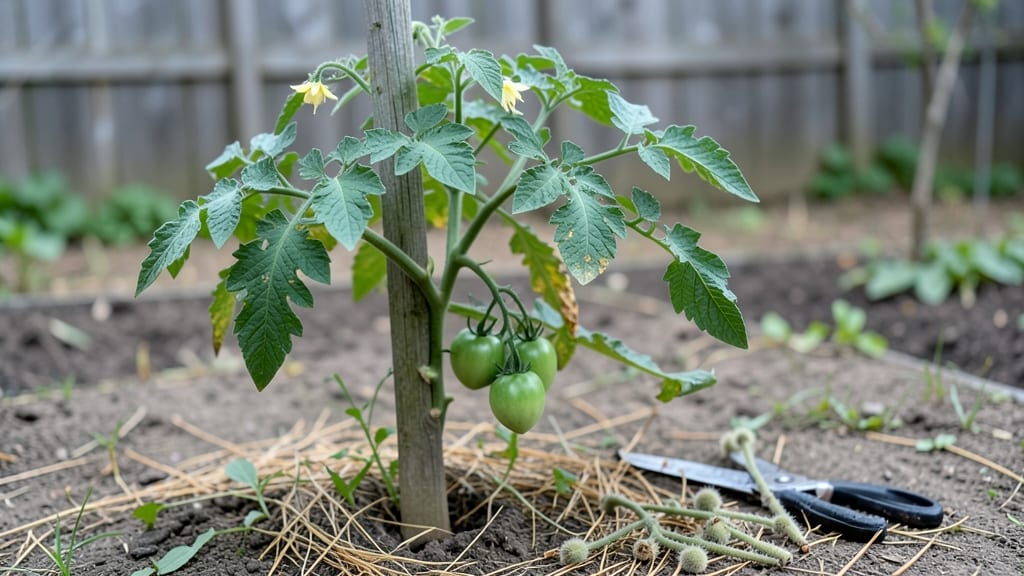
Pruning tomato plants for maximum yield isn’t just about cutting—it’s about redirecting energy where it matters most. I learned the hard way that skipping this step means fewer tomatoes, more sprawl, and plants that struggle to support their own weight.
The right cuts transform a tangled mess into a productive powerhouse, and the difference in harvest is staggering.
Focus on three key cuts: removing suckers (those little shoots between stems), trimming lower leaves to improve airflow, and pruning damaged growth. Indeterminate varieties need regular pruning to keep them climbing, while determinate types benefit from just a light cleanup.
With the right technique, you’ll see 20-30% more tomatoes by midsummer—and plants that stay strong against disease.
📚 In This Guide
- What you need
- Instructions
- Tips and common mistakes
- Wrapping up and next steps
What you need
- ● Pruning shears or sharp scissors: Choose bypass pruners (not anvil-type) to avoid crushing stems. (1 pair)
- ● Clean, sharp knife or razor blade: For precise cuts on smaller stems or suckers. (1)
- ● Gloves: Garden gloves (nitrile or leather) to protect against thorns and dirt. (1 pair)
- ● Disinfectant (rubbing alcohol or bleach solution): Clean tools between cuts to prevent disease spread. (small bottle)
- ○ Garden twine or plant ties: For staking or securing pruned plants (optional but helpful for indeterminate varieties). (1 roll)
- ● Sturdy stakes or cages: If your tomatoes aren’t already supported, now’s the time to install them! (2–4 per plant, depending on size)
- ● Mulch (straw, grass clippings, or shredded leaves): Helps retain moisture and reduce weeds. (1–2 bags)
- ● Garden hose with spray nozzle: For a quick rinse after pruning to remove debris.
- ● Compost bin or bucket: To collect pruned suckers for composting.
- ○ Plant growth regulator (optional): For large indeterminate varieties, like Sea of Green setups.
- ● Sunscreen & hat: Because pruning in the midday sun? Not ideal—save it for early morning or late afternoon!
Step-by-Step instructions for pruning tomato plants for maximum yield
Here’s how to transform your tomato plants into high-yielding powerhouses with just three strategic cuts.
Remove Suckers to Focus Energy on Fruit Production
Suckers are the small shoots that grow between the main stem and branches. These compete with your fruit for nutrients and light. Use your fingers or clean pruning shears to pinch them off when they’re about 2 inches long. I start this process when plants reach 18-24 inches tall—usually 4-6 weeks after transplanting.
Focus on the lower third of the plant first, where suckers appear most frequently. The goal is to redirect energy upward, encouraging stronger main stems and more fruit-bearing branches. If you miss a sucker, it’ll grow into a thick, woody branch that weakens the plant and reduces yield.
Prune Lower Leaves to Improve Airflow and Reduce Disease
Once your plants hit 3-4 feet tall, start removing the lowest 6-12 inches of leaves, especially those touching the soil. This prevents soil-borne diseases like blight from spreading upward. Use sharp shears to make clean cuts just above a leaf node or branch fork—never tear leaves, as this invites infection.
I also trim any yellow or diseased leaves immediately. Healthy foliage should be deep green and firm to the touch. Pruning lower leaves also improves airflow, which keeps the plant drier and less prone to fungal issues. This step is non-negotiable for container-grown tomatoes or crowded garden beds.
Thin Fruit Clusters to Prevent Overburdening the Plant
When your plants flower and set fruit, you’ll see clusters of 3-5 tomatoes forming at each node. Leave only 1-2 of the largest, healthiest tomatoes per cluster—the rest can be gently twisted off by hand. This ensures the remaining fruit gets enough nutrients to reach full size. I prioritize keeping fruits that are firm, green, and free of blemishes.
Thinning also prevents the plant from becoming overloaded, which can lead to cracked or undersized tomatoes. If you’re growing determinate varieties (bush tomatoes), you can stop pruning after this step. For indeterminate varieties, continue removing suckers and thinning fruit every 7-10 days throughout the growing season.
Support and Train Vines for Optimal Growth (Optional but Recommended)
If your tomatoes aren’t staked or caged, now’s the time to install support. Use 4-6 foot tall stakes or a strong trellis system to guide the main stem vertically. Tie the stem loosely with soft plant ties or strips of fabric—never use wire, as it can damage the plant. As the plant grows, gently weave side branches through the support to encourage upward growth.
This step is especially critical for indeterminate varieties, which can grow 6-10 feet tall if left unchecked. Proper support prevents breakage and makes harvesting easier. I also pinch off any branches growing below the first 12 inches of the plant, as these rarely produce fruit and waste energy.
Tips & tricks for pruning tomato plants for maximum yield
These targeted strategies will help you maximize your tomato harvest while keeping plants healthy and productive throughout the growing season.
Timing is Everything: Begin pruning when plants reach 18-24 inches tall, typically 4-6 weeks after transplanting. This is when suckers first appear and the plant has enough energy to recover from the pruning. I've found that starting too early can stress young plants, while waiting too long allows suckers to grow too large and become woody. Focus on the lower third of the plant first, where suckers are most aggressive and compete directly with fruit production.
Precision Cuts Matter: When removing suckers in Step 1, aim for clean cuts just above a leaf node using sharp pruning shears. This prevents tearing and minimizes stress on the plant. For lower leaves in Step 2, make cuts just above a leaf node or branch fork rather than tearing them off. I always keep my shears clean and sanitized with rubbing alcohol between plants to prevent spreading disease. The cleaner the cut, the faster the plant recovers and redirects energy to fruit production.
Fruit Thinning Strategy: In Step 3, when thinning fruit clusters, prioritize keeping 1-2 of the largest, healthiest tomatoes per cluster. Look for fruits that are firm, green, and free of blemishes. The key is to leave enough space between remaining fruits—about 1-2 inches apart—to allow for proper air circulation and prevent overcrowding. I've noticed that indeterminate varieties often produce better quality fruit when I thin more aggressively, removing up to 70% of the fruit set in early stages.
Support System Insight: For Step 4, if you're growing indeterminate varieties that can reach 6-10 feet tall, install support early. Use 4-6 foot tall stakes or a strong trellis system to guide vertical growth. I recommend tying the main stem loosely with soft plant ties or fabric strips every 12 inches as the plant grows. This prevents stem breakage and makes harvesting easier. Remember to weave side branches through the support to encourage upward growth rather than letting them sprawl.
Pro Tips for Prune Tomato Plants For Maximum Yield
- These targeted strategies will help you maximize your tomato harvest while keeping plants healthy and productive throughout the growing season.
- Timing is Everything: Begin pruning when plants reach 18-24 inches tall, typically 4-6 weeks after transplanting.
- Precision Cuts Matter: When removing suckers in Step 1, aim for clean cuts just above a leaf node using sharp pruning shears.
Frequently asked questions
Got questions about pruning tomatoes like a pro? Here are answers to the most common ones—so you can grow bigger, healthier plants with confidence!
When is the best time to start pruning tomato plants?
Prune indeterminate tomatoes (like 'Sungold' or 'Beefsteak') when they’re 12–18 inches tall, focusing on suckers (side shoots) that form in the leaf axils. For determinate varieties (bush types), minimal pruning is needed—just remove lower leaves to improve airflow. Timing tip: Wait until plants are established (after transplanting) to avoid stress.
Do I really need to prune tomatoes? Can’t I just let them grow wild?
Pruning isn’t mandatory, but it dramatically boosts yield and plant health. Heavy pruning (removing suckers and lower leaves) directs energy to fruit production, reduces disease risk, and improves airflow. Wild-grown tomatoes may produce some fruit, but pruned plants often yield 2–3x more—worth the effort!
What if I prune too much? Will my tomato plant die?
Over-pruning (removing >30% of foliage at once) can stress plants, but tomatoes are resilient. If you’ve gone overboard, stop immediately and focus on watering deeply and fertilizing lightly (with compost tea or diluted fish emulsion). Signs of over-pruning: yellowing leaves or stunted growth. Pro tip: Never prune more than 1/3 of the plant in a single session.
Can I prune tomatoes in hot or cold weather?
Avoid pruning during extreme heat (above 90°F) or cold snaps (below 50°F). Ideal temps: 60–80°F. Pruning in heat stresses plants, while cold slows recovery. If you must prune in less-than-perfect conditions, do it early in the day to reduce shock. Wait for mild, overcast days if possible.
What should I do with the pruned branches and leaves?
Never toss pruned material near your tomato plants—it can harbor diseases like early blight. Instead:
- Compost healthy leaves (free of spots/disease).
- Mulch around the base (not touching stems) to retain moisture.
- Dispose of diseased branches in the trash.
Wrapping up and next steps
Pruning your tomato plants might feel like a big task at first, but with the right cuts—removing suckers, trimming leaves, and pruning for airflow—you’ll unlock a bountiful harvest that’ll make your garden the envy of the neighborhood. 🌱🍅 Remember, consistency is key: check your plants weekly, especially during peak growing season, and don’t be afraid to get your hands dirty for those extra pounds of juicy tomatoes!
Now that you’re armed with the know-how, grab those pruners and give your plants the TLC they deserve. Next up? Plan your planting schedule or dive into companion planting tips to keep your garden thriving all season long!