Shrubs
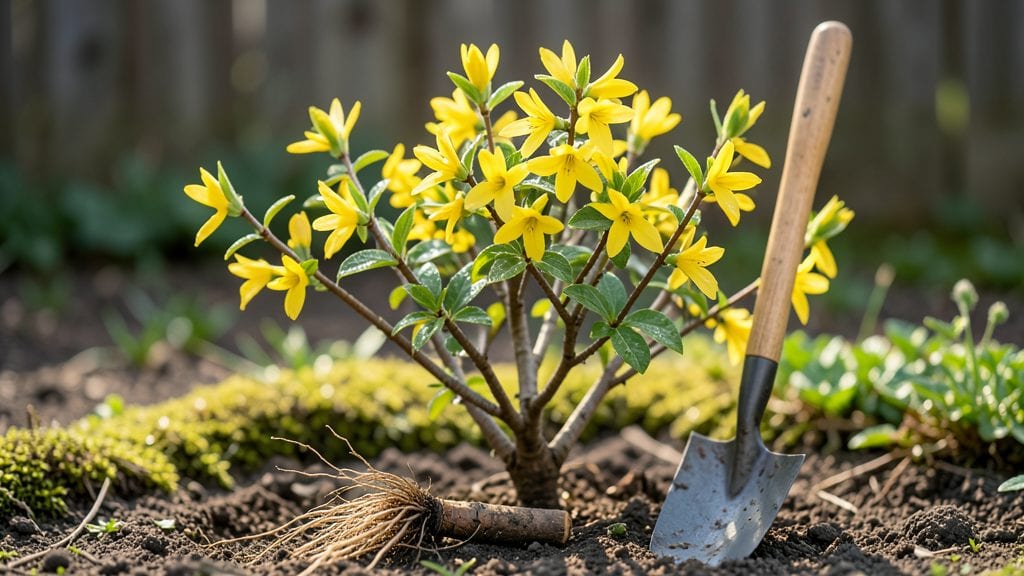
Planting forsythia bushes transforms your yard into a springtime explosion of golden cheer—those bright blooms are the first sign that winter’s over. 🌸 I’ve planted mine in full sun every year, and the difference between a thriving bush and one that struggles comes down to just a few key choices: the right spot, loose soil, and timing that avoids extreme heat or cold.
The best time to plant is in early spring or fall when temperatures are mild, and the ground isn’t frozen. Dig a hole twice as wide as the root ball but only as deep—forsythia roots hate sitting too low.
Mix in some compost for drainage, and space bushes 6 to 8 feet apart for airflow and sunlight to reach every branch. Water deeply right after planting, then keep the soil moist but not soggy for the first month.
Once established, forsythia is nearly foolproof—drought-tolerant once rooted, and deer usually leave it alone. The real magic happens in late winter or early spring when those vibrant yellow flowers burst out before the leaves even appear.
Prune right after blooming to shape the bush, and you’ll get even more flowers next year. It’s the kind of plant that makes gardening feel like a reward, not a chore.
Works in almost any climate zone, from the deep South to the northern edges of hardiness. The only rule? Don’t plant in heavy, compacted soil—forsythia roots need room to stretch. Now go wake up your garden with some sunshine.
📚 In This Guide
- What you need
- Instructions
- Tips and common mistakes
- Wrapping up and next steps
What you need
- ● Forsythia bushes: 1–3 plants (depending on desired coverage; spacing 6–10 feet apart for mature size). Choose Forsythia x intermedia or Forsythia ovata for best results.
- ● High-quality potting soil or native soil mix: 1–2 bags (amend with compost for better drainage).
- ● Organic compost or slow-release fertilizer: 1 bag (10–20 lbs) to enrich soil.
- ● Mulch (pine straw, wood chips, or shredded bark): 2–3 cubic feet to retain moisture and suppress weeds.
- ● Garden trowel or spade: 1 (for digging holes).
- ● Garden hose or watering can: 1 (with a spray nozzle for gentle watering).
- ● Gloves and knee pads: 1 pair each (for comfort during planting).
- ● Soil pH test kit: To ensure your soil is slightly acidic to neutral (pH 6.0–7.0).
- ● Pruning shears: For shaping after planting or removing dead branches.
- ● Plant support stakes: 2–4 (if planting in windy areas or for young, tall varieties).
- ● Slow-release fertilizer spikes: 1–2 (for ongoing nutrient support).
- ○ Drip irrigation system: (Optional but great for consistent watering).
Step-by-Step instructions for planting forsythia bushes
Here's how to plant these cheerful shrubs for vibrant spring color year after year.
🌱 Step 1: Choose the Perfect Location
Forsythias thrive in full sun—at least 6 hours daily. I always pick a spot with morning sunlight and afternoon shade if your climate runs hot, since forsythias appreciate some relief from intense afternoon rays. The soil should drain well, so avoid low spots where water pools.
Dig a hole twice as wide as the root ball but no deeper. This gives roots room to spread without sinking too far, which can suffocate them. If your soil is heavy clay, mix in a handful of compost at the bottom to improve drainage. The goal is loose, airy soil that won't compact around the roots.
🪴 Step 2: Prepare the Bush for Planting
Remove the forsythia from its container and gently loosen the roots if they're circling tightly. You'll see a dense root ball—this is normal, but prying them apart with your fingers encourages outward growth. Place the bush in the hole so the top of the root ball sits 1-2 inches above ground level.
Here's the thing—forsythias bloom on old wood, so planting too deep can delay flowering for a season or more. Fill the hole halfway with native soil, then water deeply to settle it. This prevents air pockets that could dry out the roots while you finish planting.
💧 Step 3: Backfill and Water Thoroughly
Add the remaining soil to the hole, tamping gently as you go to eliminate air gaps. Don't pack it down—just firm it enough to support the plant. Water immediately after planting to help soil settle around the roots. You'll need about 1-2 gallons to thoroughly moisten the root zone.
Mulch the area with 2-3 inches of organic mulch, keeping it 6 inches away from the stem to prevent rot. Mulch retains moisture and regulates soil temperature, which is especially helpful during forsythia's first summer. Watch for the soil to stay slightly damp but not soggy—this is your target moisture level.
☀️ Step 4: Provide Initial Care for Establishment
Water newly planted forsythias every 2-3 days until new growth appears, which usually takes 4-6 weeks. Deep watering encourages roots to grow downward rather than staying shallow. Avoid wetting the leaves to prevent fungal diseases that can stress young plants.
Skip fertilizing during the first year—forsythias establish roots best when focused on that growth. In spring of the second year, apply a balanced, slow-release fertilizer to support blooming. You'll notice healthier foliage and more abundant flowers once roots are well-established.
⏰ Step 5: Prune for Shape and Health
Prune forsythias immediately after flowering to maintain shape and encourage next year's blooms. Remove any dead, damaged, or crossing branches first. Then cut back 1/3 of the oldest stems to the ground—this rejuvenates the bush and prevents it from becoming too woody.
Forsythias are tough once established, but they need regular pruning to stay vibrant. I prune mine again in late winter to remove any weak growth. Avoid heavy pruning in fall, as new growth won't harden off before winter. You'll see more flowers and a fuller shape with consistent pruning.
Tips & tricks for planting forsythia bushes
These simple yet game-changing tips will help your forsythias thrive and bloom like they're in a professional garden. I've learned these the hard way—trust me, these details make all the difference!
Location Intelligence: In Step 1, when choosing your spot, pay special attention to wind exposure. Forsythias appreciate some shelter from strong winds, especially in their first year. If your garden gets harsh afternoon winds, consider planting near a fence or wall on the west side. This protection helps young plants establish roots faster and reduces stress during their critical first summer. The 6 hours of sunlight should be spread throughout the day—not just concentrated in the morning—for consistent growth.
Root Ball Strategy: During Step 2, when loosening those circling roots, don't be afraid to get your fingers in there! I learned this after my first forsythia struggled for years—it was because I didn't properly loosen the roots. Gently pull apart any roots that are tightly wrapped around the root ball. This encourages outward growth rather than keeping the plant confined. The goal is to create a loose, open root system that can quickly spread into your prepared hole. Remember, the top of the root ball should sit just 1-2 inches above ground level—no higher, no lower!
Watering Wisdom: In Step 4, when establishing your new plant, think about watering like you would for a newborn baby. You want to keep that soil consistently moist but not soggy. I use a simple trick: stick your finger about an inch into the soil. If it feels dry at that depth, it's time to water. The 2-3 days between waterings might need adjustment based on your local climate—hotter weather means more frequent watering. Also, water at the base rather than overhead to prevent fungal issues that can stress young plants.
Pruning Precision: When you reach Step 5 and prune those oldest stems, aim to cut back about one-third of them to the ground. This might seem drastic, but it's what gives forsythias their signature bushy shape and abundant blooms. I always prune right after the flowers fade, when new growth is just starting. The key is to make clean cuts just above a bud or side branch. This encourages new growth from the base, which will produce next year's flowers. And remember—never prune in fall, as new growth won't have time to harden off before winter.
Pro Tips for Planting Forsythia Bushes
- These simple yet game-changing tips will help your forsythias thrive and bloom like they're in a professional garden.
- Location Intelligence: In Step 1, when choosing your spot, pay special attention to wind exposure.
- Root Ball Strategy: During Step 2, when loosening those circling roots, don't be afraid to get your fingers in there!
Frequently asked questions
Got questions about planting forsythia bushes? You’re not alone! Here are some of the most common concerns—plus quick, practical answers to help you grow these cheerful shrubs like a pro.
When is the best time to plant forsythia bushes?
The ideal time to plant forsythia is in early spring or early fall, when soil is workable but not frozen. This gives roots time to establish before extreme heat or cold. Avoid planting in late summer—it can stress the shrub before winter. Pro tip: If you must plant in summer, water deeply 2–3 times a week to keep soil moist.
How much sun do forsythia bushes really need?
Forsythias thrive in full sun (6+ hours daily), but they tolerate partial shade (4–6 hours). Too little light? Expect fewer blooms and leggy growth. For best results, plant in a spot with morning sun and afternoon shade in hot climates. Watch out: Overly shady spots can lead to sparse flowering.
Why isn’t my forsythia blooming?
Common reasons include over-fertilizing (especially with high nitrogen), poor sunlight, or pruning at the wrong time. Forsythias bloom on old wood, so prune right after flowering, never in late summer. Also, ensure well-draining soil—waterlogged roots can stress the plant. Fix it: Cut back on fertilizer, move to sunnier spot, and prune correctly next year.
Can I grow forsythia in containers? Yes—but with caveats!
Forsythias can thrive in containers if you choose dwarf varieties (like ‘Little Gold’) and use a 5-gallon+ pot with drainage holes. Use well-draining potting mix and water consistently. Watch for: Root-bound shrubs (repot every 2–3 years) and winter protection in cold zones (move pots to a sheltered spot or wrap in burlap).
Are forsythia bushes prone to pests or diseases?
Generally hardy, but forsythias can attract aphids, spider mites, or powdery mildew if stressed. Prevent pests: Keep plants healthy with proper watering and sunlight. For mildew, improve air circulation or spray with neem oil. Quick fix: Blast off aphids with a strong water spray or use insecticidal soap.
Wrapping up and next steps
Planting forsythia bushes is a rewarding way to bring vibrant color and life to your garden early in the season. These sun-loving shrubs thrive with minimal fuss, offering cheerful blooms that brighten up any landscape.
Whether you're a seasoned gardener or just starting out, forsythia’s resilience and beauty make it a fantastic choice!
Now that you’re ready to plant, take the next step—mark your calendar for early spring or fall and get those roots in the ground! Watch as your garden bursts into golden cheer, and enjoy the joy of nurturing these cheerful bloomers. Happy planting! 🌸