
Companion Plants
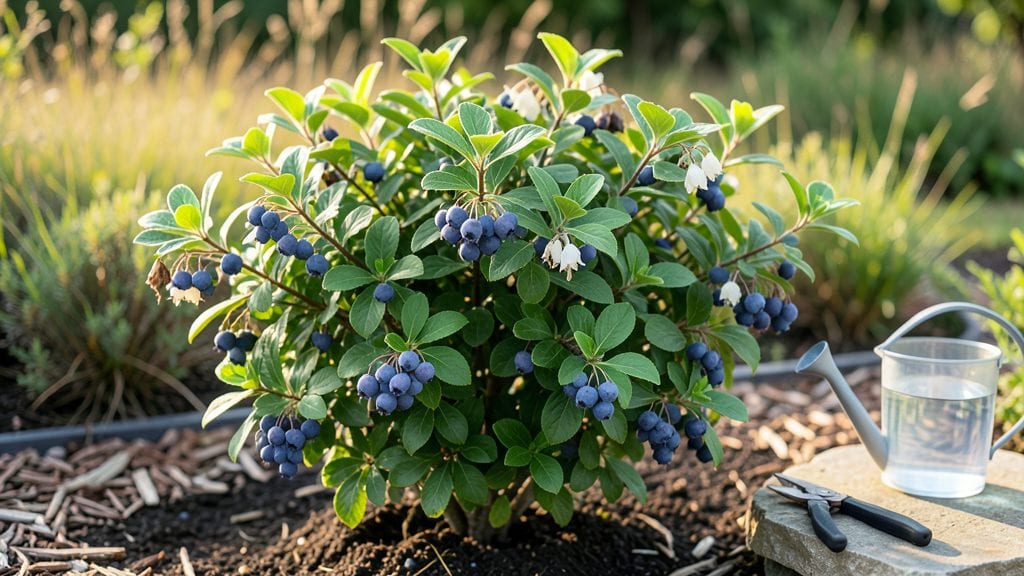
Everbearing blueberry plants produce berries twice a year—spring and fall—if you prune them right. 🌿 I learned this the hard way after my first crop petered out by July, but these three simple cuts changed everything.
The key isn't complicated: shape the plant in early spring, then trim again after harvest to keep it productive.
You'll need sharp pruners, a bucket of bleach water for sterilizing cuts, and about 20 minutes to get it done. Start by removing dead or crossing branches—those are the first to go.
Then focus on thinning out older wood to encourage new growth where the next year's berries will form. Most people over-prune, so less is more here.
After a season of proper pruning, you'll see two full harvests instead of one, with berries that stay sweet longer. The plants stay compact, so they're easier to reach, and the branches don't get tangled like they do when left unchecked.
Plus, everbearing varieties like 'Top Hat' or 'Bluecrop' reward you with pounds of berries if you keep up the routine.
This works in zones 4-7, though southern gardeners might need afternoon shade to prevent sunburn. The same principles apply whether you're growing in containers or the ground—just scale the cuts to the plant size. Ready to turn your bushes into berry machines?
📚 In This Guide
- What you need
- Instructions
- Tips and common mistakes
- Wrapping up and next steps
What you need
- ● Everbearing blueberry plants (1-3 plants, depending on space; choose Bluecrop, Top Hat, or Sunshine Blue varieties for best results).
- ● Pruning shears (bypass pruners, sharp and clean—Felco or Fiskars brands are top picks!).
- ● Gloves (gardening gloves with reinforced palms to protect from thorns and sharp branches).
- ● Disinfectant (70% isopropyl alcohol or a 10% bleach solution to sterilize tools between cuts).
- ● Mulch (2-3 inches of pine bark, wood chips, or straw to retain moisture and acidify soil).
- ● Balanced fertilizer (10-10-10 or acid-loving plant fertilizer like Miracid; apply in early spring).
- ● Watering can or hose (with a gentle spray nozzle for post-pruning hydration).
- ● pH test kit (to ensure soil pH stays between 4.5-5.5—blueberries are picky!).
- ● Pruning saw (for thicker branches beyond ½-inch in diameter).
- ● Plant markers (to label varieties and pruning dates).
- ● Compost or peat moss (to boost soil acidity if needed).
- ● Bird netting (to protect ripe berries from hungry critters!).
- ● Knee pads (for comfort during low-to-the-ground pruning sessions).
Step-by-step pruning guide for everbearing blueberry plants
Here’s how to keep your bushes producing berries all season long—no fancy tools required.
✂️ Step 1: Prune Dead or Damaged Wood First
Start by removing any branches that are brown, broken, or diseased. These are easy to spot—they’ll look shriveled, cracked, or have blackened patches. Use clean, sharp pruners to cut back to healthy green wood. This step keeps your plant focused on growing strong, new berry-producing branches.
I always do this in late winter or early spring, just before new growth starts. If you see any branches rubbing against each other, trim one of them too—this prevents future damage and keeps air circulating well. The goal here is to open up the center of the bush so sunlight reaches all the way in.
✂️ Step 2: Thin Out Overcrowded Branches
Next, look for branches that are growing inward or crossing over others. These compete for sunlight and nutrients, which means fewer berries. Remove about one-third of the oldest wood—these are the thinner, grayer branches at the center. Cut them back to the base if they’re small, or to a side branch if they’re larger.
Everbearing blueberries produce on both old and new wood, so don’t overdo it. You want to keep a good mix of young, vigorous branches and a few older ones. If you’re unsure which to keep, leave the ones with the most buds—they’ll tell you where the berries will form.
✂️ Step 3: Shape the Bush for Better Airflow
Now it’s time to give your blueberry bush its final shape. Everbearing varieties benefit from a slightly open, vase-like form. Focus on keeping the center thin so light and air can move freely. Cut back any branches that are growing straight up—these rarely produce well and can shade the rest of the plant.
I like to step back every few cuts and imagine sunlight streaming through the bush. If you can’t see daylight in the middle, you’ve still got work to do. Leave the strongest, most outward-facing branches—they’ll carry the most fruit. Finish by trimming any suckers (those low-growing shoots) at the base to keep energy flowing upward.
⏰ Step 4: Time Your Pruning for Maximum Berries
For everbearing blueberries, the best time to prune is late winter or early spring, just as buds begin to swell but before new growth starts. This gives the plant time to recover before the growing season kicks in. If you’re in a warmer climate, you can prune lightly after harvest too—but avoid heavy cuts then.
Watch for new growth in spring as your cue. If you see tiny green shoots appearing, it’s time to stop pruning. These new branches will produce next year’s berries, so handle them with care. A light pruning after harvest (just removing dead wood) keeps the plant tidy without stressing it before winter.
Tips & tricks for perfect everbearing blueberry pruning
These pruning secrets will transform your blueberry bushes into berry-producing powerhouses—no green thumb required.
The Timing Secret: Late winter or early spring is your sweet spot for pruning everbearing blueberries, just when those buds begin to swell but before new growth appears. This timing gives your plant the recovery window it needs before the growing season kicks in. In warmer climates, you can do a light touch-up after harvest, but skip heavy cuts then—you don't want to stress the plant before winter. Watch for those tiny green shoots as your cue to stop pruning.
Tool Intelligence: Clean, sharp pruners are non-negotiable. Dull blades crush stems instead of making clean cuts, which invites disease and weakens the plant. I always sterilize my pruners with rubbing alcohol between cuts to prevent spreading any potential infections. For thicker branches, I use loppers—just make sure they're clean too! This might seem like overkill, but it pays off in healthier bushes and bigger harvests.
Visual Pruning Cues: Here's what nobody tells you—buds are your best friend. When thinning branches in Step 2, focus on keeping the ones with the most buds. These are your future berry producers! Also, step back frequently to check your work. If you can't see daylight through the center of the bush, you've still got work to do. The goal is that open, vase-like shape that lets sunlight and air circulate freely throughout the plant.
Seasonal Strategy: Everbearing blueberries produce on both old and new wood, so don't overdo the thinning. Aim to remove about one-third of the oldest wood each year—those thinner, grayer branches at the center. This keeps a perfect balance of young, vigorous branches for current season fruit and older branches for next year's harvest. Think of it like giving your bush a haircut that works with its natural growth patterns rather than against them.
Pro Tips for Everbearing Blueberry Plants
- These pruning secrets will transform your blueberry bushes into berry-producing powerhouses—no green thumb required.
- The Timing Secret: Late winter or early spring is your sweet spot for pruning everbearing blueberries, just when those buds begin to swell but before new growth appears.
- Tool Intelligence: Clean, sharp pruners are non-negotiable.
Frequently asked questions
Got questions about everbearing blueberry plants?
You’re not alone! Here are some of the most common queries—plus quick, actionable answers to keep your bushes thriving and productive.
How do I tell if my everbearing blueberry plant is truly everbearing?
Look for three flushes of berries per season—spring, summer, and fall—rather than just one. Everbearing varieties (like ‘Top Hat’ or ‘Patriot’) produce smaller clusters year-round, while rabbiteye or highbush types yield larger harvests in one main season. Check the plant tag or research the cultivar to confirm!
When’s the best time to prune everbearing blueberries for maximum yield?
Prune right after harvest (late summer) to avoid cutting off next year’s fruit. Lightly trim in late winter (before buds swell) to shape the bush and remove dead wood. Never prune in spring—this risks losing upcoming berries. Use sharp shears and sterilize them with rubbing alcohol to prevent disease.
Why aren’t my everbearing blueberries ripening evenly?
Uneven ripening often stems from inconsistent sunlight or poor pollination. Place plants in full sun (6+ hours/day) and ensure they’re spaced 3–4 feet apart. If flowers drop without fruiting, hand-pollinate with a soft brush or plant a companion like bee-friendly borage nearby. Acidity matters too! Test soil pH (ideal: 4.5–5.5) and amend with sulfur if needed.
Can everbearing blueberries survive winter in cold climates?
Yes! Most everbearing varieties tolerate USDA Zones 4–7 with proper care. Mulch heavily (3–4 inches of pine straw or wood chips) after the first frost to insulate roots. In Zone 3 or below, choose cold-hardy types like ‘Northblue’ or grow in containers and move them to a sheltered spot. Windburn can damage buds—consider a frost blanket for extra protection.
What’s a good alternative if everbearing blueberries don’t grow well in my area?
Try semi-everbearing varieties (like ‘Bluecrop’ or ‘Duke’) for a balance of yield and hardiness. For warmer climates (Zones 8–10), rabbiteye blueberries (e.g., ‘Tifblue’) thrive with less winter stress. If space is tight, dwarf everbearing types (like ‘Peach Sorbet’) fit containers and produce smaller but prolific harvests.
Wrapping up and next steps
Growing everbearing blueberry plants is a rewarding journey that yields sweet, juicy berries all season long—when you master the three pruning secrets shared here! With the right tools, timing, and technique, you’ll transform your garden into a berry bonanza.
Now that you’re armed with knowledge, it’s time to roll up your sleeves and give your plants the care they deserve.
Ready to take the next step? Pick a sunny day—grab your pruners, and start shaping those branches! 🌱 And if you’re eager to boost your harvest even further, consider pairing your blueberries with companion plants like borage or thyme for a thriving, pollinator-friendly garden.