
Plants
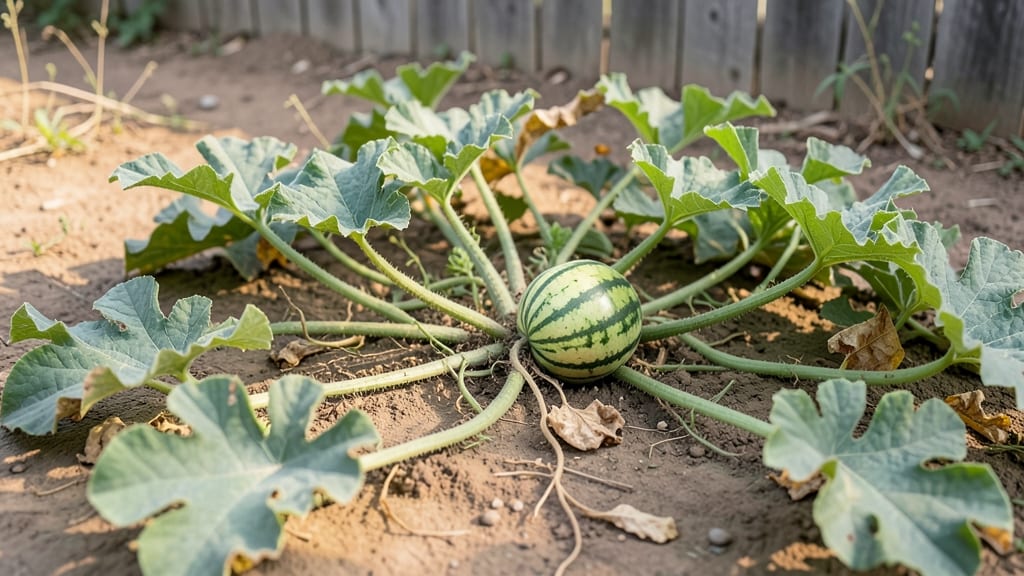
My watermelon plant dying doesn’t mean the harvest is lost—it’s a call to action. 🌱 I’ve revived more struggling vines than I can count, and the key is acting fast before the roots give up.
The first step is identifying the real problem: is it thirst, disease, or something sneaking under the leaves?
Most dying watermelons start with simple fixes: check the soil moisture—it should feel damp but not soggy—and make sure vines get at least 6-8 hours of sun daily.
If yellowing leaves appear, it’s often nitrogen deficiency or fungal pressure. A balanced fertilizer and proper spacing (18-24 inches apart) can turn things around in days.
Once you pinpoint the issue, targeted care is everything. Wilted vines? Prune damaged leaves and boost watering. Brown spots? Remove infected foliage and apply copper fungicide. Within 7-10 days, you’ll see new green shoots if the roots are still alive—proof the plant isn’t beyond saving.
Prevention is the real game-changer. Mulch heavily to retain moisture, rotate crops yearly, and monitor for pests like cucumber beetles. A dying watermelon plant today means a bountiful harvest next season if you learn from the struggle.
Root Causes Behind Dying Vines
Watermelon plants are resilient, but when they start wilting, yellowing, or collapsing, it’s usually a sign that something fundamental is going wrong. Understanding the why behind these symptoms is the first step toward saving your crop.
Below are the most common—and often overlooked—reasons your watermelon plant might be on its last legs, along with the science that explains them.
Watermelons thrive in warm weather (70–90°F during the day, 60–70°F at night), but extreme heat or cold can shock the plant into decline. Here’s how it happens:
- Heat Stress (Above 95°F):
- High temperatures disrupt photosynthesis by causing chlorophyll breakdown, leading to yellowing leaves (a condition called chlorosis).
- The plant’s stomata (pores) close to conserve water, but this also traps heat inside leaves, accelerating cell damage.
- Root systems struggle to absorb water efficiently, even if soil looks moist, leading to wilting despite adequate irrigation.
- Cold Stress (Below 50°F):
- Watermelons are sensitive to frost—temperatures below 50°F can trigger cold injury, where cell membranes rupture.
- Symptoms include blackened or mushy stems, stunted growth, and leaves curling inward to protect vital tissues.
- If roots freeze, they lose their ability to uptake nutrients, causing the plant to starve even if soil conditions seem ideal.
💡 Pro Tip: Use shade cloth (30–50%) during heatwaves and row covers at night if temperatures dip unexpectedly. Mulching with straw also helps regulate soil temperature.
Watermelons are thirsty but hate soggy roots—poor watering habits are a top killer. Here’s how imbalance sabotages your plant:
- Underwatering:
- Leaves curl at the edges and develop a papery, crisp texture as cells lose turgor pressure.
- Roots shrink and die back when deprived of moisture, reducing the plant’s ability to transport water and nutrients.
- Symptom: Wilting that doesn’t recover even after watering (a sign of permanent root damage).
- Overwatering:
- Root rot (caused by Pythium or Phytophthora fungi) thrives in waterlogged soil, choking roots and blocking oxygen uptake.
- Yellowing leaves with brown, mushy stems at the base are classic signs of fungal invasion.
- Poor drainage worsens the problem—watermelons need well-draining soil (sandy loam is ideal).
🔥 Actionable Fix:
- Water deeply 1–2 times per week (1–1.5 inches total) rather than daily shallow watering.
- Check soil moisture by sticking your finger 2 inches deep—if dry, water; if soggy, hold off.
- Raise beds or add gravel/sand to improve drainage if your soil stays damp.
Watermelons are heavy feeders, and imbalances in soil nutrients can cripple growth. Here’s what to watch for:
| Symptom | Likely Cause | How It Kills the Plant |
|---|---|---|
| Yellow leaves (oldest first) | Nitrogen deficiency | Stunted growth, weak stems, reduced fruiting. |
| Purple stems/leaves | Phosphorus deficiency | Poor root development, delayed flowering. |
| Yellow between veins | Magnesium (Mg) or Iron (Fe) deficiency | Chlorosis spreads; plant can’t photosynthesize efficiently. |
| Brown leaf edges | Potassium (K) deficiency | Weak cell walls, susceptibility to disease. |
| Wilting + blackened tips | Salt or chemical toxicity | Over-fertilization or poor-quality water damages roots. |
🎯 Quick Test:
- Soil pH matters! Watermelons prefer 6.0–6.8. Test your soil—too acidic (below 6.0) locks out nutrients like phosphorus, while alkaline soil (above 7.0) reduces iron availability.
- Fertilizer burn (from excess nitrogen or synthetic salts) burns roots, causing sudden wilting.
✨ Solution:
- Amend soil with compost or a balanced 10-10-10 fertilizer at planting.
- Foliar spray with chelated iron or Epsom salt (magnesium sulfate) for quick fixes.
- Flush soil with water if you suspect salt buildup.
Hidden invaders can drain sap, block nutrients, or introduce pathogens that weaken your plant. Common culprits:
- Aphids & Spider Mites:
- Suck plant sap, causing stunted growth, curled leaves, and sticky honeydew (which attracts mold).
- Solution: Spray with neem oil or introduce ladybugs for natural control.
- Cucumber Beetles:
- Transmit bacterial wilt, a fatal disease that clogs xylem vessels, turning leaves yellow and stems mushy.
- Solution: Use row covers early in the season and rotate crops to break the disease cycle.
- Fungal Diseases (Powdery Mildew, Downy Mildew):
- White powdery patches (powdery mildew) or yellow spots on undersides (downy mildew) block sunlight, reducing photosynthesis.
- Solution: Improve airflow with spacing, water at soil level, and apply baking soda spray (1 tsp baking soda + 1 quart water + drop of soap).
- Root-Knot Nematodes:
- Microscopic worms burrow into roots, causing galls (lumpy growths) that strangle nutrient uptake.
- Solution: Plant marigolds (natural nematicide) nearby or use solarization (covering soil with plastic to heat-kill nematodes).
Sometimes, the problem isn’t biological—it’s environmental or human error:
- Compacted Soil:
- Heavy foot traffic or machinery crushes soil, reducing oxygen to roots and limiting expansion.
- Symptom: Slow growth, yellowing despite proper watering.
- Transplant Shock:
- Disturbed roots during moving can take 2–3 weeks to recover, leaving plants vulnerable to stress.
- Solution: Hardening off seedlings (acclimating to outdoor conditions) and watering deeply post-transplant helps.
- Herbicide Drift:
- Glyphosate (Roundup) or other broadleaf herbicides can kill watermelon plants if sprayed nearby.
- Symptom: Yellowing veins, stunted growth, or sudden collapse.
🔪 Prevention:
- Avoid tilling—use mulch to protect soil structure.
- Test for herbicide residue if plants decline suddenly after moving.
- Choose a clean planting site—avoid areas where weeds were recently killed with herbicides.
Revive Your Dying Watermelon Vines
If your watermelon plant is struggling, don’t panic—most issues can be fixed with the right care. Below are practical, step-by-step solutions tailored to common causes, along with prevention tips to keep your vines thriving. Let’s get your plant back on track!
Signs: Yellowing leaves, mushy stems, foul-smelling soil, or slow growth.
How to Fix It: 🔥 Stop Watering Immediately – Let the soil dry out completely before watering again. 🍳 Improve Drainage – Mix in perlite or coarse sand (1 part to 3 parts soil) to prevent waterlogging. 👨🍳 Repot if Needed – If roots are rotting, trim away mushy sections with sterilized scissors, then replant in fresh, well-draining soil. 🥘 Use a Moisture Meter – Water only when the top 1-2 inches of soil feel dry. ⏰ Adjust Watering Schedule – Watermelons need 1-2 inches of water per week, but less in rainy seasons.
💡 Prevention Tip:
- Raise beds slightly (6+ inches high) to help excess water drain away.
- Mulch around plants (2-3 inches of straw or wood chips) to regulate soil moisture.
Signs: Wilting, crispy leaf edges, dry soil, or leaves curling upward.
How to Fix It: 💧 Deep Watering Sessions – Water slowly and deeply (10-15 minutes) to encourage root growth. 🌡️ Morning Watering Only – Avoid evening watering to prevent fungal diseases. 🌿 Shade Cloth for Hot Days – Use 30-50% shade cloth if temps exceed 90°F (32°C). 🍃 Mulch Heavily – A 4-inch layer of mulch retains moisture and cools roots. 🔄 Prune Damaged Leaves – Remove brown or crispy leaves to redirect energy to healthy growth.
💡 Prevention Tip:
- Drip irrigation delivers water directly to roots, reducing evaporation.
- Choose heat-tolerant varieties like ‘Sugar Baby’ or ‘Crimson Sweet’ for hot climates.
Signs: Spots (yellow/brown), powdery white growth, black stems, or leaf drop.
How to Fix It: 🧴 Fungicide Spray – Use neem oil (2 tbsp per gallon of water) or copper-based fungicide every 7-10 days. 🔪 Remove Infected Parts – Snip off spotted or moldy leaves with clean pruners. 🌧️ Improve Airflow – Space plants 18-24 inches apart and prune nearby foliage. 🌡️ Water at Soil Level – Avoid wetting leaves to prevent spore spread. ✨ Baking Soda Spray (Mild Cases) – Mix 1 tsp baking soda + 1 tbsp oil + 1 tsp soap per gallon of water and spray weekly.
💡 Prevention Tip:
- Rotate crops—don’t plant watermelons in the same spot yearly.
- Sterilize tools with rubbing alcohol before pruning.
Signs: Pale yellow leaves (nitrogen), purple stems (phosphorus), or weak growth (potassium).
How to Fix It: 📊 Soil Test First – Use a DIY test kit (or send a sample to a lab) to identify deficiencies. 💪 Balanced Fertilizer – Apply a 10-10-10 or 5-10-10 NPK fertilizer every 4-6 weeks during growing season. 🥗 Compost Tea – Brew compost tea (1 part compost to 5 parts water, steep 24 hours) and pour around the base. 🍎 Epsom Salt for Magnesium – Mix 1 tbsp Epsom salt per gallon of water and spray on leaves if they’re yellowing between veins. 🎯 Avoid Over-Fertilizing – Too much nitrogen = weak, leafy growth (fewer melons!).
💡 Prevention Tip:
- Side-dress with compost mid-season for a slow-release nutrient boost.
- Use worm castings for gentle, organic nutrition.
Signs: Holes in leaves, sticky residue (aphids), or chewed stems (cucumber beetles).
How to Fix It: 🕷️ Handpick Large Pests – Drop cucumber beetles or hornworms into soapy water. 🧼 Insecticidal Soap – Spray neem oil or insecticidal soap on undersides of leaves. 🌿 Beneficial Insects – Introduce ladybugs or lacewings to eat aphids naturally. 🔄 Row Covers – Use floating row covers to block pests early in the season. 🚫 Avoid Broad-Spectrum Sprays – They kill beneficial bugs too!
💡 Prevention Tip:
- Plant marigolds nearby—they repel pests like nematodes.
- Rotate planting locations to disrupt pest life cycles.
If your plant is severely stressed, follow this emergency recovery plan:
- Trim back ⅓ of the plant to reduce stress.
- Repot in fresh soil if roots are unhealthy.
- Water deeply but wait for soil to dry slightly between sessions.
- Fertilize lightly with a balanced organic fertilizer.
- Monitor daily for improvement (new growth in 7-14 days is a good sign!).
Frequently asked questions
Why are my watermelon leaves turning yellow first on the older ones?
This classic sign usually means nitrogen deficiency. Watermelons are heavy feeders, and older leaves yellow first when they can't get enough nitrogen to support growth. Try applying a balanced fertilizer (10-10-10) or compost tea immediately. Yellowing between veins could also indicate magnesium deficiency—spray with Epsom salt solution (1 tbsp per gallon) for a quick fix.
My watermelon plant wilts even after watering—what’s wrong?
If wilting persists after watering, check for root rot (from overwatering) or pest damage. Gently pull back mulch and inspect roots—healthy roots should be white or tan, while rotting roots smell foul and turn brown/mushy. If roots are damaged, trim affected areas, repot in fresh soil, and reduce watering immediately.
Can I save a watermelon plant with blackened stems?
Blackened stems often signal bacterial wilt (from cucumber beetles) or fungal infection. Unfortunately, these are usually fatal—remove the plant completely to prevent spread. For future crops, use row covers early in the season and rotate planting locations yearly. If stems are just slightly discolored (not black), prune affected areas and treat with neem oil.
How often should I fertilize a struggling watermelon plant?
Start with a light feeding every 4-6 weeks using a balanced organic fertilizer (5-10-10). Over-fertilizing stresses roots, especially if they're already damaged. For quick nutrient boosts, use compost tea or foliar sprays (like chelated iron for yellowing leaves). Always water thoroughly after fertilizing to prevent burn.
Is it too late to revive my watermelon plant if it’s completely wilted?
Not necessarily! First, check if roots are still alive by gently tugging on vines—if they resist, roots may still be functional. Trim back ⅓ of the plant, repot in fresh soil, and provide consistent moisture (not soggy). Place in bright, indirect light and monitor for new growth in 7-14 days. If no improvement, the plant may be beyond saving, but you can still harvest any remaining fruit.