
Pests
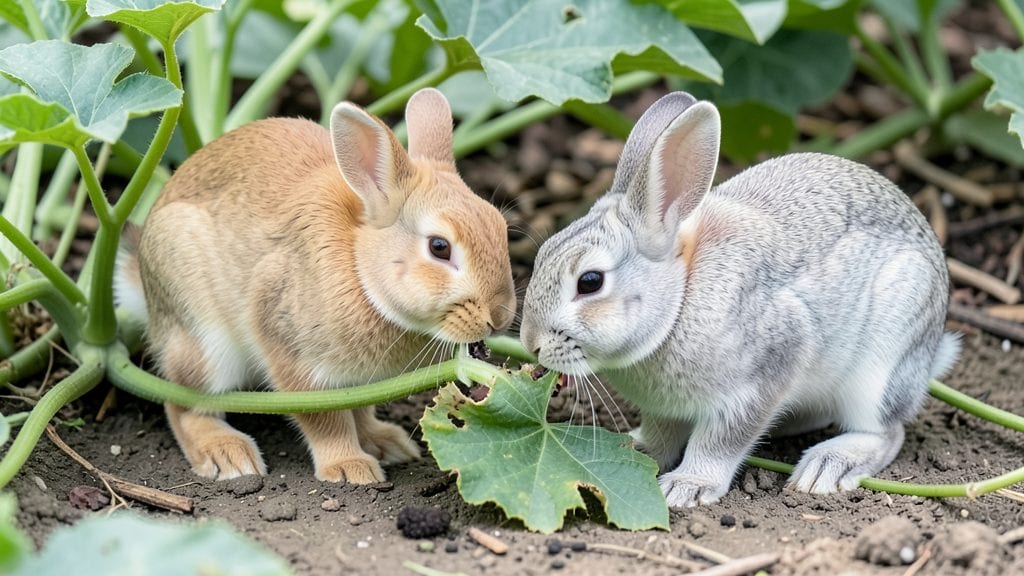
Rabbits do eat watermelon plants, targeting leaves, stems, and vines due to their high moisture and mild flavor, which can quickly defoliate or kill young plants if unchecked. Their browsing habits make watermelon a vulnerable crop in gardens with free-roaming rabbits.
Watermelon plants are particularly appealing to rabbits because of their tender, water-rich foliage and sweet-tasting stems. 🌱 Unlike many garden plants, watermelon vines offer a combination of moisture and nutrients that aligns perfectly with a rabbit's natural diet.
Young plants are especially at risk because their delicate growth makes them easy targets for nibbling. This isn't just about taste—rabbits are also drawn to the soft texture of watermelon leaves, which requires minimal chewing effort compared to tougher vegetation.
What makes this especially problematic is how quickly rabbits can strip a watermelon plant bare. A single rabbit can devour enough foliage in one night to stunt growth or even kill young plants entirely.
The damage isn't always obvious until it's too late, which is why many gardeners only discover the issue when their watermelons fail to thrive. Understanding this behavior is the first step to protecting your crop before it becomes a full-blown problem.
💡 In This Article
- Why Rabbits Target Watermelon Vines and Leaves
- Protecting Watermelon Plants from Rabbit Damage
Why rabbits target watermelon vines and leaves
Here's what's actually happening when rabbits zero in on watermelon plants: their digestive systems are wired to seek out plants with high moisture and moderate sugar content. Watermelon vines contain approximately 90% water and 4-6% natural sugars, making them an irresistible snack compared to drier, less palatable vegetation.
Rabbits have evolved to prefer tender, young growth because it's easier to digest and provides the most nutritional bang for their chewing buck. This preference explains why they often start with the most delicate leaves before moving to stems. 🌱
The science behind this behavior lies in their digestive anatomy. Rabbits have a specialized cecum—a pouch in their digestive tract—that ferments fibrous plant matter, but they still need easily digestible greens to balance their diet.
Watermelon's soft, water-rich leaves require minimal energy to chew and process, which is why they're a top choice. In contrast, rabbits typically avoid plants with tough fibers, thorns, or chemical defenses like nightshade or milkweed, which would require more energy to consume than they provide.
What most people don't realize is how their grazing patterns change with plant maturity. Young watermelon plants are particularly vulnerable because their leaves contain higher concentrations of water and nutrients compared to mature foliage.
A single rabbit can consume up to 10% of its body weight in fresh vegetation daily, which translates to several square feet of watermelon leaves in a night. This rapid consumption rate is why gardeners often find their plants completely stripped before noticing any damage. 🐇
There's also a behavioral component: rabbits are crepuscular animals, meaning they're most active at dawn and dusk—the same times when watermelon plants are most tender and juicy. This timing alignment makes watermelon gardens prime targets during their peak feeding windows.
The mild flavor of watermelon foliage (unlike bitter or toxic plants) means rabbits don't need to "sample" multiple plants before committing to a meal, which accelerates the damage process.
Interestingly, rabbits exhibit what scientists call "selective foraging"—they choose plants based on both nutritional value and ease of access. Watermelon vines grow close to the ground, making them perfect for rabbits to nibble without standing up, which conserves their energy.
This low-effort, high-reward feeding strategy is why watermelon plants often become the first casualty in gardens where rabbits have free rein. The combination of water content, sugar levels, and accessibility creates a perfect storm of attractiveness for these herbivores. 💫
To put this into perspective, consider how rabbits treat other garden plants: they might nibble a few leaves from a tomato plant but leave it mostly intact, whereas a watermelon plant might be completely defoliated in just a few nights.
This dramatic difference highlights why watermelon requires special protection measures compared to other crops in the garden. Understanding these botanical and behavioral factors is key to developing effective prevention strategies that work with rabbit biology rather than against it.