
Companion Plants
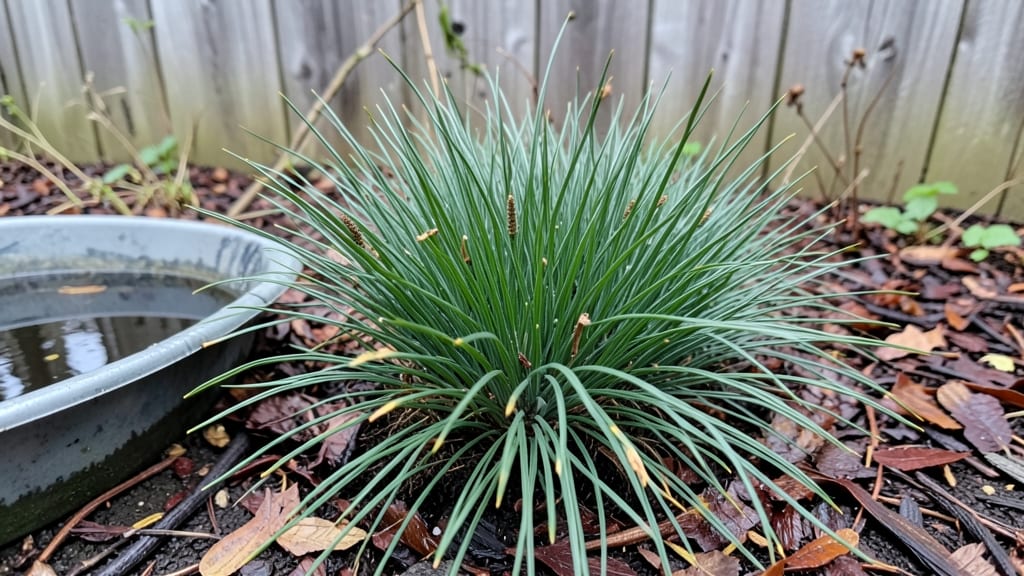
My boggy garden plants aren’t drowning—they’re thriving, and I’ll show you how. 🌿 The key lies in choosing species that love wet feet, like native sedges, sweet flag, or even non-native purple loosestrife, which turns soggy corners into lush, wildlife-friendly havens.
Start with soil prep: amending clay-heavy spots with 3-4 inches of compost improves drainage without sacrificing moisture. For standing water, consider a shallow French drain lined with gravel—it keeps roots happy while letting excess water flow.
The right plants need 6+ hours of sunlight and soil that stays damp but not soggy.
You’ll end up with a garden that’s vibrant green year-round, buzzing with pollinators, and free from the yellowing leaves that plague struggling plants. Cattails and marsh marigolds add height and color, while ferns fill in the shady spots beautifully.
Works for rain gardens, pond edges, or low-lying areas—no more giving up on soggy soil. Let’s turn that problem patch into a standout feature of your landscape!
📚 In This Guide
- What you need
- Instructions
- Tips and common mistakes
- Wrapping up and next steps
What you need
- ● Boggy garden plants: 5–10 plants (native or wetland-adapted species like Iris pseudacorus, Gunnera manicata, or Carex varieties).
- ● Peat-free compost: 2–3 cubic yards (or a high-quality bog mix for acid-loving plants).
- ● Sphagnum moss: 1–2 bags (for moisture retention and acidity).
- ● Gravel or sand: 1–2 bags (for drainage layers if needed).
- ● Mulch (wood chips or bark): 1–2 bags (to retain moisture and suppress weeds).
- ● Garden trowel or spade: 1 (for planting and soil prep).
- ● Garden fork: 1 (to aerate compacted soil).
- ● Watering can or hose with a gentle nozzle: 1 (for consistent moisture).
- ● Gloves (waterproof): 1 pair (to protect hands from damp soil).
- ● Measuring tape or ruler: 1 (for spacing plants correctly).
- ○ Optional: pH testing kit (to monitor soil acidity).
- ● Drainage pipes (if improving water flow is needed).
- ● Decorative stones or logs (for aesthetic appeal).
- ● Sunlight assessment: Identify areas with full sun, partial shade, or full shade.
- ○ Soil test (optional but helpful): Check pH (ideal: 5.0–6.5 for most bog plants).
- ● Water source proximity: Ensure easy access for regular watering (if natural rainfall isn’t sufficient).
- ● Planting schedule: Best done in early spring or fall for optimal root establishment.
Step-by-Step guide to designing a thriving wet soil garden
Here’s how to transform soggy patches into lush, productive wetlands—without the guesswork.
🌱 Step 1: Test and Prepare Your Wet Soil
First, assess your soil’s moisture retention by digging a 6-inch hole and filling it with water. If it drains completely within 4-6 hours, your soil is too dry for true wetland plants. For true bog conditions, aim for waterlogged soil that stays saturated for 24+ hours after rain. Amend heavy clay with 1-2 inches of compost to improve aeration without altering moisture levels.
I always spread a 3-inch layer of organic mulch (like shredded bark) over the surface to prevent soil compaction and retain moisture. This mimics natural wetland conditions where decaying plant matter keeps the environment perpetually damp. Avoid synthetic mulches—they can disrupt microbial activity essential for wetland ecosystems.
🌿 Step 2: Select the Right Wetland Plants
Choose plants that thrive in permanently moist to saturated soil, like cattails, pickerelweed, or swamp milkweed. These species handle fluctuating water levels far better than garden-center picks. For a 4-person garden, I recommend starting with 4-6 plants—mix tall species (like 3-foot tall sweet flag) with mid-height (2-foot tall marsh marigold) and ground covers (like creeping jenny) for layered visual interest.
Skip conventional perennials—they’ll yellow and rot within weeks. Instead, opt for native wetland species from a reputable nursery. Their deep root systems tolerate poor drainage, and they’ll outcompete weeds naturally. I always check for USDA Zone 5-9 hardiness to ensure they survive winter waterlogging.
💧 Step 3: Plant with Proper Spacing and Depth
Dig holes twice as wide as the root ball but no deeper—wetland plants hate having their crowns buried. Space them 18-24 inches apart for medium-sized plants, or 3-4 feet apart for large species like buttonbush. The goal is to mimic natural wetland density without overcrowding.
Gently tease apart any circling roots before planting—this encourages outward growth into the saturated soil. Press the surrounding soil firmly to eliminate air pockets, then water deeply to settle the roots. You’ll see new growth within 2-3 weeks if the moisture levels are right.
☀️ Step 4: Manage Water Levels and Light
Most wetland plants need full sun to partial shade—at least 6 hours of direct light daily. If your garden is deeply shaded, focus on shade-tolerant species like swamp azalea or inland sea oats. Use a clear plastic sheet in early spring to trap heat and speed up thawing if your soil freezes solid in winter.
For gardens with seasonal flooding, plant deep-rooted species first—they’ll anchor the soil and prevent erosion. Add shallow-rooted plants like sedges along the edges where water levels fluctuate. Avoid fertilizing—wetland plants thrive on natural nutrient cycling, and excess nitrogen can pollute nearby water sources.
✂️ Step 5: Maintain and Expand Your Wetland Garden
Prune dead or yellowing foliage in early spring before new growth begins—this prevents disease buildup in stagnant water. Divide crowded clumps every 3-4 years to keep plants vigorous. I always harvest seeds or divisions in late summer to propagate new plants for free.
To expand your garden, dig a shallow trench around the perimeter and line it with landscape fabric to contain roots. Fill with sandy loam mixed with compost to create a buffer zone for moisture-sensitive species. Within a season, you’ll have a self-sustaining wetland that attracts birds, butterflies, and beneficial insects—no chemicals required.
Tips & tricks for perfect wet soil gardens
Transforming soggy patches into thriving wetlands takes more than just planting—these insights will help you create a resilient ecosystem that mimics nature's balance.
Soil Preparation Secret: When testing your soil's moisture retention in Step 1, use a clear plastic bottle to mark water levels at the 6-inch depth. This lets you track drainage patterns over time without disturbing the soil. For clay-heavy areas, mix in 1-2 inches of compost and let it sit for 24+ hours before planting—this gives microbes time to colonize and break down organic matter, creating ideal conditions for wetland plants. The key is patience; rushing this step can lead to compacted soil that suffocates roots.
Plant Selection Strategy: In Step 2, prioritize native species that naturally occur in your region's wetlands. For example, if you're in Zone 5-9, pickerelweed thrives in standing water while swamp milkweed handles seasonal fluctuations beautifully. I always buy from local nurseries specializing in native plants—they'll provide species perfectly adapted to your climate's specific moisture patterns. Pro tip: Look for plants with air pockets in their stems—this adaptation helps them transport oxygen to roots in waterlogged conditions.
Planting Technique: The spacing guidelines in Step 3 are crucial, but don't be afraid to adjust slightly based on your garden's mature size. For buttonbush (3-4 feet apart), I often plant them 4 feet apart in small gardens to prevent overcrowding. When teasing apart circling roots, work gently—wetland plants are delicate when disturbed. After planting, press soil firmly around roots to eliminate air pockets, then water deeply until you see 2-3 inches of water standing on the surface. This initial saturation helps roots establish quickly in their waterlogged environment.
Light Management: The 6-hour minimum sunlight requirement in Step 4 is a guideline, not a strict rule. In shaded areas, focus on swamp azalea or inland sea oats—both tolerate 4-5 hours of direct light daily. For spring thawing, I've found that clear plastic sheeting works best when weighted down with bricks. This creates a mini greenhouse effect that raises soil temperatures 5-10°F faster than uncovered soil, giving your plants a head start in cooler climates.
Pro Tips for Boggy Garden Plants
- Transforming soggy patches into thriving wetlands takes more than just planting—these insights will help you create a resilient ecosystem that mimics nature's balance.
- Soil Preparation Secret: When testing your soil's moisture retention in Step 1, use a clear plastic bottle to mark water levels at the 6-inch depth.
- Plant Selection Strategy: In Step 2, prioritize native species that naturally occur in your region's wetlands.
Frequently asked questions
What are the best boggy garden plants for beginners?
Start with hardy, low-maintenance picks like Caltha palustris (marsh marigold), Iris pseudacorus (yellow flag iris), or Carex sedges. These tolerate soggy soil, require minimal upkeep, and add vibrant color or texture. Avoid fussy tropicals—stick to native or wetland-adapted species!
When is the best time to plant boggy garden plants?
Plant in early spring or fall when soil is moist but not waterlogged. Avoid winter (frost risk) or peak summer (heat stress). For container plants, transplant anytime the ground isn’t frozen. Pro tip: Amend heavy clay with compost to improve drainage before planting!
Can I grow vegetables in a bog garden?
Try watercress, mint, or rhubarb—they thrive in wet conditions. For root veggies like carrots, raise beds slightly or use containers with drainage. Avoid potatoes (they rot) and opt for leafy greens or herbs instead.
Why are my bog plants wilting or turning yellow?
Yellowing leaves often signal too much sun (burn) or poor drainage (root rot). Check soil moisture—bog plants need consistently wet (not soggy) conditions. Trim damaged foliage, adjust water flow, and ensure partial shade if your plants are sun-sensitive.
Are there drought-tolerant alternatives for wet soil?
If your bog dries out occasionally, mix in drought-resistant perennials like Astilbe or Hosta (with mulch). For containers, use peat moss or coco coir to retain moisture. Group plants with similar water needs to avoid stress—diversity is key!
Wrapping up and next steps
Transforming a boggy garden into a lush, vibrant space is easier than you think! 🌿 With the right boggy garden plants, you can create a thriving ecosystem that’s both beautiful and low-maintenance.
Whether you’re drawn to the bold foliage of Calla lilies or the delicate charm of Marsh marigolds, these plants are your perfect partners for wet soil.
Ready to take the next step? Start small—pick one or two plants to test your soggy patch, then expand as you gain confidence. Happy gardening, and may your garden flourish like never before! 🌱✨