
Planting
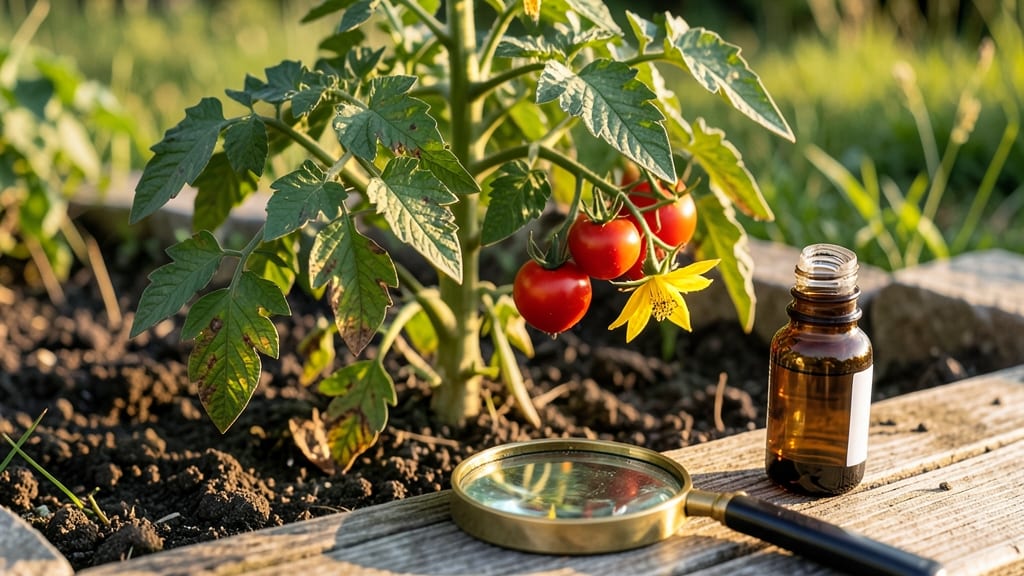
Tomato plants are toxic to pets and humans, particularly their leaves, stems, and unripe fruit, which contain solanine and tomatine—compounds that cause gastrointestinal distress, lethargy, or coordination issues. Ripe fruit is safe in moderation but should still be avoided in large quantities by pets.
Understanding which parts of tomato plants pose risks helps you keep your garden—and your pets—safe. 🌱 The green parts contain the highest concentrations of solanine, a natural defense mechanism that becomes less potent as fruit ripens.
Even small amounts can trigger symptoms like drooling, diarrhea, or weakness in pets, while humans might experience mild stomach upset. Ripe red tomatoes are generally safe in normal serving sizes, but their stems and leaves should never be ingested.
If you're concerned about accidental exposure, consider swapping out tomato plants for pet-friendly alternatives like basil or marigolds, which are non-toxic and add beauty to your garden. Always supervise pets around new plants and consult your vet if you suspect ingestion of any garden foliage.
💡 In This Article
- Toxic Compounds in Tomato Plants: Solanine and Tomatine Risks
- Safe Plant Alternatives for Pet-Friendly Gardens
Toxic compounds in tomato plants: solanine and tomatine risks
Here's what's actually happening chemically when pets or humans ingest tomato plant parts: solanine and tomatine are glycoalkaloid toxins that act as natural pesticides for the plant.
Solanine concentrations in green tomatoes can reach up to 5-10 mg per gram of fresh weight, while ripe red fruit typically contains only trace amounts (0.01 mg/g).
These compounds work by binding to acetylcholine receptors in the nervous system, disrupting nerve signal transmission which explains the coordination issues and weakness observed in affected animals.
The key difference between unripe and ripe fruit lies in the plant's chemical defense strategy. As tomatoes ripen, chlorophyll breaks down and solanine levels drop dramatically—this is why green tomatoes taste bitter and have that grassy, earthy aroma that signals toxicity.
What most people don't realize is that even the vines and leaves contain higher concentrations than the fruit itself, making them particularly dangerous if chewed by curious pets.
The physiological response typically begins within 6-12 hours of ingestion, starting with drooling and vomiting as the body attempts to eliminate the irritants.
This works because solanine interferes with cellular respiration by inhibiting acetylcholinesterase, an enzyme critical for nerve function. In pets, symptoms often escalate to lethargy, tremors, or even seizures in severe cases, particularly in small animals where even 0.02% of body weight of green tomato parts can be toxic.
The good news is that ripe red tomatoes contain such minimal amounts that they're generally safe for humans—though the stems and leaves remain dangerous regardless of ripeness.
What makes this particularly insidious is how the plant allocates its defenses. Studies show solanine accumulates in the youngest leaves and stems where growth is most active, creating a gradient of toxicity from most dangerous (new growth) to least (mature red fruit).
This evolutionary strategy explains why pets are often drawn to the tender new shoots—only to experience the unpleasant consequences. The visual clue is simple: any part of the plant that's green or unripe should be treated as potentially hazardous.
For perspective, consider that a 15-pound dog would need to consume about 2 pounds of green tomato parts to reach a toxic dose, though smaller pets or those with sensitive stomachs may react to much smaller amounts.
The bitter taste of unripe tomatoes acts as nature's warning system—when you notice that sharp, almost metallic aftertaste, you're tasting solanine's presence firsthand.
This chemical defense isn't unique to tomatoes—it's shared by other nightshade plants like potatoes and eggplants. What makes tomatoes particularly concerning is their widespread cultivation and the fact that many pet owners don't realize the danger lies in the foliage, not just the fruit.
The lesson here is simple: when it comes to tomato plants, what you can't see can hurt you—especially those tempting green shoots growing just above ground level.