
Companion Plants
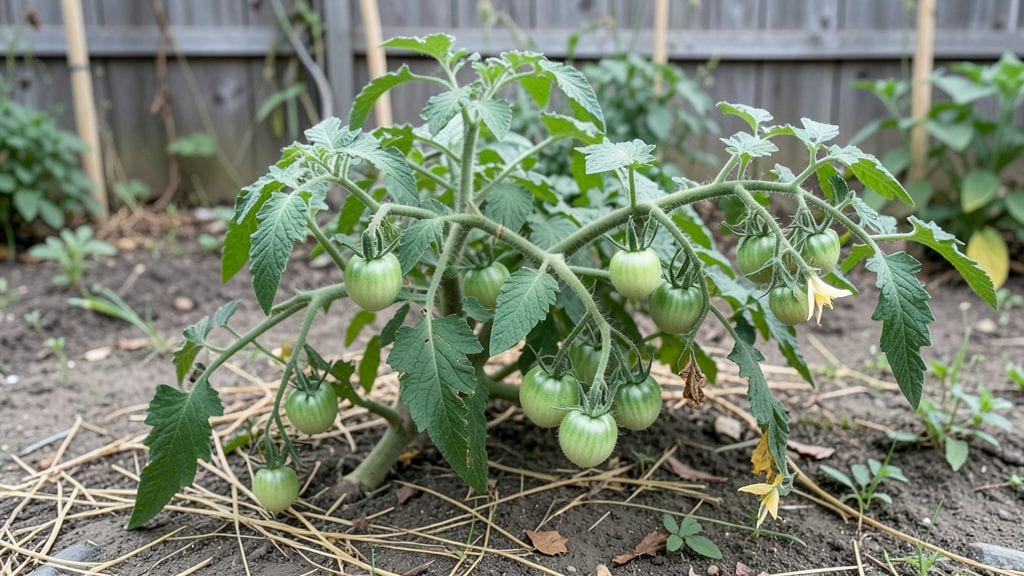
Growing green tomato plants in small spaces just got easier. These sun-resistant varieties thrive where regular tomatoes flop—my 4-foot-tall balcony garden now produces more tomatoes than my neighbor’s sprawling plot. The secret isn’t fancy tricks but choosing the right plants and giving them the care they actually need.
Start with compact varieties like ‘Tiny Tim’ or ‘Patio Princess,’ bred to ripen in partial sun. You’ll need well-draining soil, consistent watering, and a sturdy cage or trellis to keep plants upright.
Most beginners overwater—stick your finger in the soil first; if it’s dry an inch down, it’s time to water. These tomatoes tolerate heat better than heirlooms, so they keep producing even when temps hit 90°F.
By midsummer, you’ll be harvesting glossy green tomatoes that ripen fully on the vine or indoors. The flavor? Just as sweet as red ones, with a slightly tangy kick. Prune suckers regularly to focus energy on fruit, and watch your yield double.
The best part? No more sad, sprawling plants taking over your garden—just neat, productive bushes that deliver.
Works in containers, raised beds, or ground plots, even in urban balconies. Here’s how to keep them thriving from seed to harvest without the usual tomato drama.
📚 In This Guide
- What you need
- Instructions
- Tips and common mistakes
- Wrapping up and next steps
What you need
- ● Green tomato seeds or seedlings: Choose sun-resistant varieties like Green Zebra, Pineapple, or Sweet 100 (3–5 plants for a small garden).
- ● Well-draining potting mix: 5–10 gallons, enriched with compost (avoid heavy clay soil).
- ● Containers or raised beds: 5-gallon pots (1 per plant) or
- ● Raised bed (minimum 12" deep, 3' x 3' for 3–4 plants).
- ● Organic fertilizer: Balanced 10-10-10 or tomato-specific blend (1 lb per 10 sq ft).
- ● Mulch: Straw or shredded leaves (2–3 inches to retain moisture).
- ● Garden trowel or small shovel: For transplanting seedlings.
- ○ Watering can or hose with nozzle: Drip irrigation system (optional but helpful for compact spaces).
- ● Pruning shears: To trim suckers and encourage bushier growth.
- ● Garden gloves: Protect your hands from thorns and soil.
- ○ Support system (optional): Cage or stakes (for indeterminate varieties).
- ● Trellis (if growing vertically to save space).
- ● Sunlight: At least 6–8 hours of direct sun daily (even sun-resistant varieties thrive with ample light!).
- ● Water access: Consistent moisture (1–2 inches per week, more in extreme heat).
- ● Warmth: Soil temperature should be 60°F+ for planting (use a seedling heat mat if starting indoors).
- ● Space planning: Ensure 18–24 inches between plants for airflow (critical for disease prevention).
How to grow sun-resistant green tomato varieties in small spaces
Here's how to cultivate compact, sun-tolerant tomato varieties that thrive even in tight garden spots.
Select the Right Varieties for Your Space
Choose determinate tomato varieties like 'Tiny Tim,' 'Patio,' or 'Balcony Red'—these stay compact (2-3 feet tall) and produce abundant fruit without sprawling. Avoid indeterminate types unless you have vertical support, as they grow continuously and need more room. I always check seed packets for "bush" or "compact" labels to ensure a good fit for my patio containers.
These varieties also handle partial sun better than traditional tomatoes, making them ideal for balconies, small yards, or areas with afternoon shade. Look for descriptions mentioning "heat-tolerant" or "sun-resistant" to confirm suitability for your climate. Planting these in 4-gallon containers gives roots enough space while keeping the plant manageable.
Prepare Containers and Soil for Optimal Growth
Use sterile potting mix (never garden soil) to prevent disease, and mix in compost for nutrients—this ensures your plants get the energy they need without competing with weeds. Fill containers to 1 inch below the rim to allow room for watering and prevent overflow. I always add a handful of perlite to improve drainage, as compact tomatoes hate soggy roots.
Add a slow-release fertilizer at planting time to provide steady nutrition. Avoid high-nitrogen blends, which encourage leafy growth at the expense of fruit. Instead, opt for a balanced 10-10-10 formula. Water the mix thoroughly before planting to settle it and remove air pockets that could stunt root development.
Plant and Support for Compact Growth
Dig a hole deep enough to bury the stem up to the first set of leaves—this encourages stronger root growth. Gently press the soil around the plant to eliminate air gaps, but avoid compacting it too tightly. For varieties like 'Tiny Tim,' a small cage or stake (2 feet tall) helps support the plant as it bears fruit without taking up extra space.
Place containers where they’ll get 6-8 hours of morning sun and afternoon shade—this prevents leaf scorch while still allowing fruit to ripen. If your space only gets partial sun all day, choose 'Sungold' or 'Sunny' varieties, which tolerate lower light better than most compact types. Mulch with straw to retain moisture and keep roots cool.
Water and Feed for Consistent Production
Water deeply every 2-3 days, ensuring the top 2 inches of soil feel dry before the next watering. Compact tomatoes need consistent moisture but hate sitting in water. I use a soaker hose or drip irrigation to deliver water at the base without wetting leaves, which reduces disease risk. Avoid overhead watering after 10 AM to prevent fungal issues.
Feed every 4-6 weeks with a liquid tomato fertilizer (high in phosphorus and potassium) to encourage flowering and fruiting. Stop fertilizing 4 weeks before harvest to allow flavors to concentrate. Prune suckers (the small shoots between the stem and branches) regularly to redirect energy into fruit production rather than excessive foliage.
Harvest and Extend the Season
Pick tomatoes when they’re fully colored but still firm—this encourages more production. Compact varieties like 'Patio' often ripen faster than larger types, so check plants every 2-3 days in peak season. If frost threatens, move containers to a sheltered spot or indoors near a sunny window to keep them producing.
To extend the harvest, remove spent fruit clusters and prune back leggy growth. This keeps the plant focused on new fruit rather than stretching for light. Store unripe tomatoes in a cool, dark place (like a paper bag) to ripen naturally. With proper care, these sun-resistant varieties can keep producing for 8-10 weeks—far longer than traditional tomatoes in hot climates.
Tips & tricks for perfect sun-resistant green tomato varieties
These practical tips will help you maximize your compact tomato harvest while avoiding common pitfalls that can stunt growth or reduce fruit production.
Variety Selection Matters: When choosing your compact varieties, pay special attention to the seed packet descriptions beyond just "bush" or "compact." Look for keywords like "heat-tolerant" or "disease-resistant" to ensure your plants can handle your specific climate challenges. I've found that 'Tiny Tim' handles afternoon shade particularly well, while 'Balcony Red' thrives in hotter climates. The right variety can mean the difference between a disappointing harvest and a bountiful one.
Soil Preparation Is Key: In Step 2, when mixing your sterile potting mix with compost, I recommend adding a handful of worm castings along with the perlite. The worm castings provide gentle, slow-release nutrients that help establish strong root systems early on. Also, make sure your containers have drainage holes—this is non-negotiable for compact tomatoes. Without proper drainage, roots will suffocate and your plants will struggle even with the best care.
Watering Strategy: The 2-3 day watering schedule mentioned in Step 4 works best when you check the soil moisture at the same time each day. I use my finger to test the top 2 inches—if it feels dry, it's time to water. Morning watering is ideal because it gives leaves time to dry before evening, reducing fungal risks. For containers, I've found that watering at the base with a soaker hose for 10-15 minutes provides more consistent moisture than quick top-watering sessions.
Pruning for Productivity: When pruning suckers in Step 4, be strategic about what you remove. Leave at least 3-4 main stems on each plant to ensure proper air circulation and sunlight penetration to the lower fruit clusters. I've noticed that compact varieties actually benefit from slightly more aggressive pruning than larger plants—they focus their energy on fewer, larger fruit instead of producing many small ones. Just be careful not to remove more than 25% of the foliage at once, as this can stress the plant.
Pro Tips for Green Tomato Plants
- These practical tips will help you maximize your compact tomato harvest while avoiding common pitfalls that can stunt growth or reduce fruit production.
- Variety Selection Matters: When choosing your compact varieties, pay special attention to the seed packet descriptions beyond just "bush" or "compact."
- Soil Preparation Is Key: In Step 2, when mixing your sterile potting mix with compost, I recommend adding a handful of worm castings along with the perlite.
Frequently asked questions
Got questions about growing green tomato plants in small spaces? You’re not alone!
Here are answers to the most common queries from gardeners just like you—whether you’re a beginner or a seasoned pro looking to optimize your compact garden.
What are the best sun-resistant green tomato varieties for small gardens?
Look for compact or dwarf varieties like ‘Tiny Tim’, ‘Patio Princess’, or ‘Micro Tom’. These thrive in containers and tolerate partial sun (4–6 hours/day) better than standard tomatoes. Just ensure they get bright, indirect light to prevent leaf scorch.
How long does it take for green tomato plants to bear fruit in containers?
Most compact varieties take 60–80 days from transplanting to produce fruit. If your plant isn’t fruiting after 3 months, check for:
- Light: Move it to a sunnier spot (e.g., near a south-facing window).
- Water: Keep soil consistently moist but not soggy.
- Pollination: Gently shake the plant or use a small brush to help flowers set fruit.
Can I harvest green tomatoes and ripen them indoors?
Harvest firm green tomatoes when they’re 1–2 inches long. To ripen them:
- Place them in a paper bag with a banana or apple (ethylene gas speeds ripening).
- Store them in a warm, dark spot (65–75°F).
- Check daily—they’ll turn red in 3–7 days.
Why are my green tomato plant leaves turning yellow or curling?
Yellowing or curling leaves often signal overwatering, underwatering, or pests. Try this quick fix:
Issue
Solution
Overwatering
Let the top inch of soil dry out between waterings. Ensure pots have drainage holes.
Underwatering
Water deeply until it drains from the bottom. Use a moisture meter for accuracy.
Pests (aphids/spider mites)
Spray with neem oil or rinse leaves with soapy water. Check undersides of leaves!
Are there any companion plants that help green tomatoes thrive in small spaces?
Yes! Pair your green tomatoes with:
- Basil: Repels pests and improves flavor.
- Onions/garlic: Deter aphids and fungal diseases.
- Marigolds: Natural pest repellent and attract pollinators.
Wrapping up and next steps
Growing green tomato plants in compact spaces is totally doable—especially with sun-resistant varieties that thrive in smaller gardens! Whether you’re a beginner or a seasoned gardener, these plants offer delicious rewards with minimal fuss.
Start by choosing the right variety, ensuring proper sunlight, and keeping up with care like pruning and watering. 🌱
Now that you’re armed with tips and answers to common questions, why not take the next step? Grab some seeds or seedlings, prep your garden bed, and watch your green tomato plants flourish! Happy gardening—your future harvest is waiting! 🍅✨