
Planting
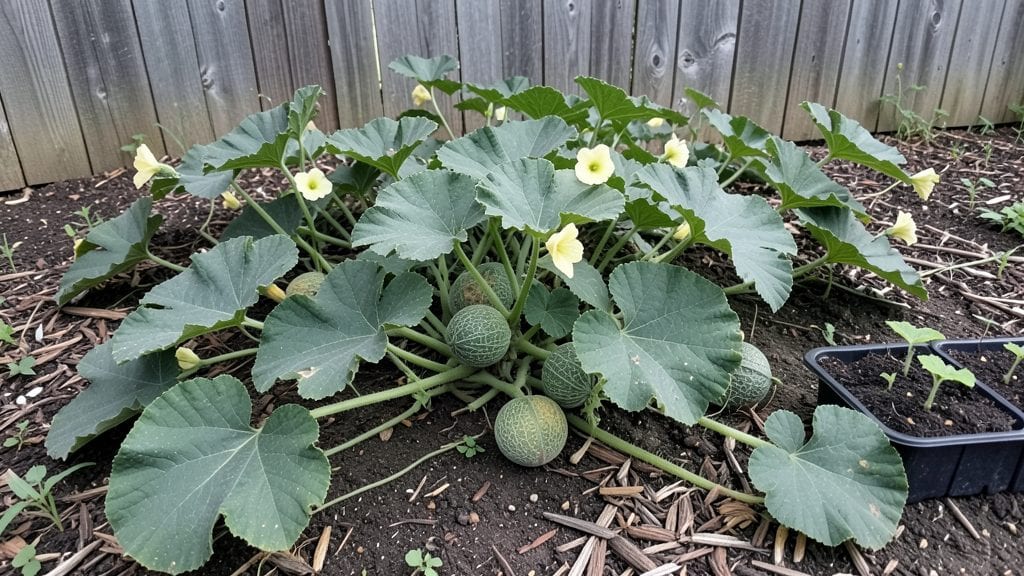
Timing your cantaloupe planting season right is the difference between juicy, ripe fruit by summer and sad, wilted vines by harvest.
Cantaloupes 🍈 thrive in warm soil and long summer days—but planting them at the wrong time can mean bitter disappointment. Discover the exact planting window and soil secrets to ensure your vines burst with sweet, ripe fruit by mid-season.
In most regions, like USDA Zone 6a, you’ll want to wait until after the last frost—typically May or June—when soil temperatures hit at least 70°F. That’s when seeds germinate best and vines take off.
Below, I break down the best months for your zone, soil prep tricks to speed up growth, and how to avoid common mistakes that ruin harvests.
Best cantaloupe planting months by US growing zones (with frost-free deadlines)
Cantaloupes are heat-loving plants that refuse to germinate in cold soil, making timing everything. Plant too early, and you’ll waste seeds on frost-killed seedlings. Plant too late, and your harvest arrives after the first frost.
The key is aligning your planting with your USDA zone, last frost date, and soil temperature thresholds of 60°F+ for germination.
In cool climates (zones 3-5), cantaloupes need a head start—either via transplants or row covers. Meanwhile, warm zones (6-11) can direct sow as early as April, but soil warmth is critical.
Let’s break down the perfect planting windows for your zone, including frost-free deadlines and pro tips to maximize your harvest.
📌 Pro Tip: Use a soil thermometer—cantaloupe seeds won’t sprout until soil hits 70°F (21°C). If your zone’s spring soil is cooler, opt for transplants or black plastic mulch to warm the ground faster.
| USDA Zone | Last Frost Date | Ideal Planting Window | Soil Temp Threshold | Method | Frost-Free Deadline |
|---|---|---|---|---|---|
| 3-5 (Cool Climates) | Mid-May to June 15 | Late May – Early June | 70°F+ (21°C+) | Transplants (start indoors 3-4 weeks before) | July 4 (Safe for harvest) |
| 6-8 (Temperate) | April 15 – May 15 | Mid-April – Late May | 60°F+ (15°C+) | Direct sow after last frost OR transplants | June 1 (Frost risk over) |
| 9-11 (Hot Climates) | February 15 – March 15 | March – Early April | 65°F+ (18°C+) | Direct sow early (soil warms fast) | April 15 (No frost risk) |
| All Zones (Success Tip) | N/A | Wait for 3 consecutive warm days | Test soil with thermometer | Use black plastic mulch to warm soil | Harvest before first frost |
If you’re in zones 3-5, your best bet is transplants started indoors 3-4 weeks before your last frost date. Seedlings need to be 2-3 inches tall with 2-3 true leaves before moving outside.
Harden them off for 7-10 days by placing them outdoors in partial shade for increasing lengths of time each day.
For zones 6-8, direct sowing is easiest once soil hits 60°F. Use a soil thermometer to check—cantaloupe seeds won’t germinate below 65°F. If your spring is unpredictable, opt for transplants or cover seeds with black plastic mulch to speed up warming.
In zones 9-11, you can plant as early as March, but watch for heat stress if temperatures exceed 90°F. Provide afternoon shade cloth during extreme heat and mulch heavily to retain moisture. These zones often allow for fall plantings too—try sowing in August
Soil preparation checklist for cantaloupes: pH, drainage & warmth tricks
Cantaloupes demand warm soil and nutrient-rich conditions to thrive. Skipping soil prep can lead to slow germination or poor fruit development. I’ve learned the hard way—my first cantaloupe patch failed because the soil was too cool and compacted. Let’s fix that with science-backed steps to create the perfect growing environment.
Before planting, focus on three critical factors: pH balance, drainage, and soil warmth. Cantaloupes need a slightly acidic to neutral pH of 6.0-6.8, well-draining soil to prevent root rot, and temperatures above 70°F (21°C) for optimal germination. Here’s how to nail each one:
🌱 Soil Prep Essentials for Cantaloupes
- Test & Adjust pH: Use a soil test kit to check pH. If below 6.0, add lime (1 lb per 100 sq ft). If above 6.8, mix in sulfur or peat moss.
- Improve Drainage: Amend heavy clay soil with coarse sand or perlite (1 part sand to 3 parts soil). Raised beds work wonders for poor drainage.
- Warm the Soil: Cover beds with black plastic mulch 1-2 weeks before planting. This raises soil temps by 10-15°F and suppresses weeds.
- Add Organic Matter: Mix in 2-3 inches of compost or well-rotted manure. Cantaloupes are heavy feeders and need rich soil for sweet fruit.
- Check Readiness: Insert a soil thermometer 2 inches deep. Plant only when temps hit 70°F (21°C) consistently for 3+ days.
Don’t overlook organic amendments like worm castings or bone meal. I add a handful of each to the planting hole for an extra nutrient boost. These amendments improve soil structure and provide slow-release nutrients that cantaloupes crave during their 75-day growth cycle.
For cooler climates, try row covers or cold frames to extend the growing season. I’ve had success using floating row covers to warm soil by 5-8°F while still allowing sunlight. Just remove them once vines emerge to prevent overheating.
Pro tip: If your soil is still too cold, try seedling heat mats under containers. I’ve jump-started germination in Zone 5 by keeping seeds on a heat mat until soil warms naturally. Patience pays off—waiting for the right conditions ensures vigorous vines and sweet fruit.
Finally, avoid fresh manure near planting time. It can burn tender roots. Instead, use aged compost or a balanced 10-10-10 fertilizer at planting. Your cantaloupes will reward you with juicy, aromatic fruit when the soil is just right. 🌿