Propagation
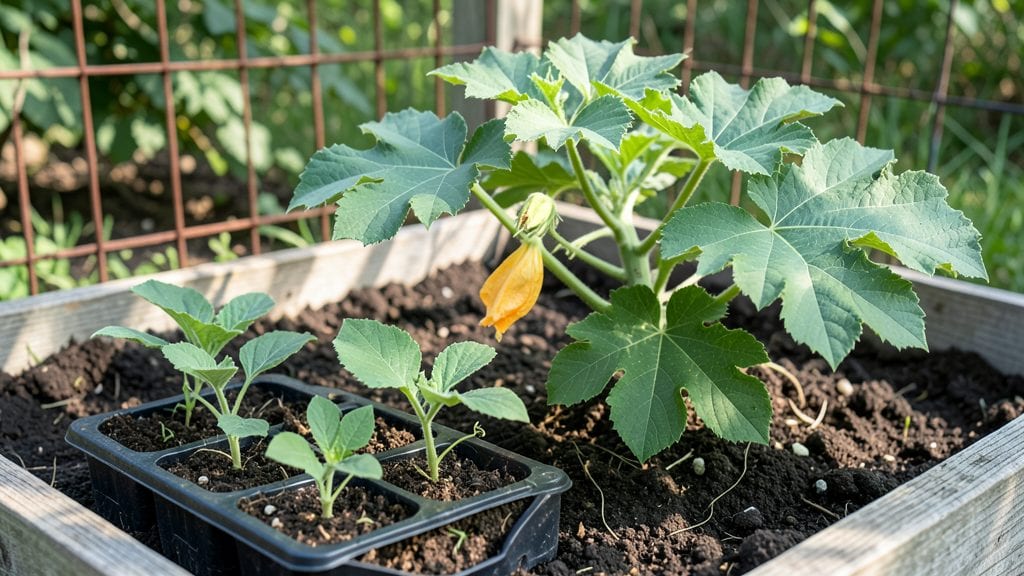
Preparing cantaloupe seeds for planting turns a handful of tiny seeds into strong seedlings ready to take over your garden. 🌱 I’ve learned the hard way that skipping this step means weak starts and poor germination—so here’s the exact process I use to get every seed off to a running start.
The secret isn’t complicated: just a little patience and the right conditions to break through that tough outer shell.
You’ll need just three things: your seeds, a bowl of warm water, and a damp paper towel or seed-starting mix. Soaking the seeds for 12–24 hours softens their shells, while keeping them moist in a warm spot (around 80°F) mimics the tropical conditions they love.
Most gardeners overlook this step, but it’s what separates a patchy row of seedlings from a uniform, thriving stand ready to transplant in weeks.
Once soaked, you’ll see tiny roots emerge within 24–48 hours—proof the seeds are alive and eager to grow. Plant them in well-draining soil, just ½ inch deep, and keep the soil consistently moist but never soggy.
In about 5–7 days, you’ll have little green hooks breaking through the surface, signaling your cantaloupes are on their way to becoming the star of your summer harvest.
This method works just as well for muskmelons and honeydews, and it’s foolproof even for beginners. The key is consistency—warmth, moisture, and patience. By the time you’re ready to transplant, your seedlings will be stocky and ready to handle the great outdoors. Let’s get those seeds sprouting!
📚 In This Guide
- What you need
- Instructions
- Tips and common mistakes
- Wrapping up and next steps
What you need
- ● Ripe cantaloupe: Choose a fully ripe, organic cantaloupe (preferably heirloom or seed-saving varieties for best results). Tip: Look for a sweet scent near the stem and a slightly soft spot on the bottom!
- ● Sharp knife or spoon: A serrated knife or spoon for scooping out seeds cleanly.
- ● Paper towels or coffee filters: 2-3 sheets for drying seeds (unbleached and seed-free if possible).
- ● Small bowl or plate: A shallow, wide container to hold seeds while drying.
- ● Water: Room-temperature water for rinsing seeds.
- ● Small mesh bag or envelope: For storing seeds once dried (e.g., paper seed envelopes or a breathable fabric pouch).
- ○ Optional: Hydrogen peroxide (3%): 1 tsp per cup of water for a quick seed disinfectant (helps prevent mold).
- ○ Optional: Seed germination kit: Includes seedling trays, potting mix, and plastic domes for faster sprouting.
- ● Patience: Seeds need 5–7 days to dry properly before planting.
- ● Warm, dry location: A spot with indirect sunlight and good airflow (e.g., a sunny windowsill or dehydrator on low heat).
- ● Knowledge of your climate: Cantaloupes thrive in warm soil (70–90°F)—plan to start seeds 2–3 weeks before your last frost date or use a seedling heat mat.
- ● Garden space or containers: Cantaloupes need plenty of room—either direct soil (with trellises for vining types) or large containers (5+ gallons).
How to prepare cantaloupe seeds for planting: germination-ready in 3 simple steps
Here's my foolproof method to get cantaloupe seeds sprouting strong and fast—no fancy tools needed.
🌱 Step 1: Soak Seeds to Softened the Coating
Cantaloupe seeds have a hard outer shell that slows germination. To speed things up, soak them in lukewarm water for 12-24 hours before planting. Place them in a small bowl or jar, ensuring they're fully submerged. I like to use a mesh bag or paper towel to keep them contained while soaking.
After soaking, you'll notice the seeds swell slightly and the outer coating softens. This makes it easier for the seedling to break through during germination. Drain the water completely and let the seeds air-dry on a paper towel for 10-15 minutes before moving to the next step. This prevents mold and keeps the seeds from sticking together.
💧 Step 2: Prepare the Planting Medium
Use a lightweight, well-draining seed-starting mix to give cantaloupe seedlings the best start. Fill small pots or seed trays with the mix, leaving about ½ inch of space at the top. Moisten the mix lightly with water until it feels damp but not soggy—you should be able to squeeze a handful gently without water dripping out.
Make a small hole in the center of each pot, about ½ inch deep. This is where you'll place your soaked cantaloupe seeds. Plant 2-3 seeds per pot to increase your chances of successful germination. Cantaloupe seeds are large, so handle them carefully to avoid damaging the delicate outer shell.
☀️ Step 3: Plant and Provide Warmth for Germination
Cover the seeds lightly with more of the moist seed-starting mix, ensuring they're just barely covered. Press down gently to secure them in place. Place the pots in a warm, sunny spot—cantaloupe seeds germinate best in soil temperatures between 75-90°F. A seedling heat mat or a warm windowsill works well for this.
Keep the soil consistently moist but not waterlogged. You'll know it's time to water when the top ¼ inch of soil feels dry to the touch. Germination typically takes 7-14 days, depending on temperature and moisture levels. Once the seedlings emerge, thin them to the strongest one per pot, snipping the weaker stems at the base with clean scissors.
Tips & tricks for perfect cantaloupe seed preparation
Here's what I've learned after testing this method with multiple cantaloupe varieties—these little tricks make all the difference.
Soaking Secret: The 12-24 hour soak is your secret weapon against slow germination. Use lukewarm water (about 90°F) rather than hot water—it prevents shocking the seeds while still softening that tough outer shell. I like to add a drop of dish soap to the water to reduce surface tension, which helps the seeds stay submerged even if they float. After soaking, give them that 10-15 minute air-dry—this step often gets skipped, but it's crucial for preventing mold.
Seed-Starting Mix Tip: Don't skimp on the quality of your seed-starting mix in Step 2. Look for one labeled "seed-starting" or "seedling" mix—regular potting soil can be too dense. If you're using a mix without perlite or vermiculite, add a handful to improve drainage. The "damp but not soggy" test is key: if water drips when you squeeze, it's too wet. Proper drainage prevents those dreaded "damping off" fungal issues that kill seedlings before they even sprout.
Planting Depth Matters: That ½-inch planting depth in Step 2 is perfect for cantaloupe seeds—any deeper and they'll struggle to push through the soil. I like to use a pencil to make the planting hole since it gives me consistent depth. When planting 2-3 seeds per pot, space them about ½ inch apart. This gives you multiple chances for germination while still allowing room for the strongest seedling to develop without competition.
Warmth Hack: If your home doesn't naturally stay between 75-90°F, create a mini greenhouse effect. Place your planted pots inside a clear plastic bag (with holes for airflow) and set them on top of your fridge or near a sunny window. The bag traps heat while allowing light penetration. Check daily to ensure condensation doesn't build up—this keeps humidity high enough for germination without creating a moldy environment.
Pro Tips for Prepare Cantaloupe Seeds For Planting
- Here's what I've learned after testing this method with multiple cantaloupe varieties—these little tricks make all the difference.
- Soaking Secret: The 12-24 hour soak is your secret weapon against slow germination.
- Seed-Starting Mix Tip: Don't skimp on the quality of your seed-starting mix in Step 2.
Frequently asked questions
Got questions about prepping cantaloupe seeds for planting? You’re not alone!
Here are answers to the most common queries to help you grow confidently.
How long do cantaloupe seeds need to dry before planting?
Fresh cantaloupe seeds should air-dry for 3–5 days in a warm, dry place (like a sunny windowsill) before storing or planting. This prevents mold and ensures better germination. If seeds feel damp, extend drying time—patience pays off!
Can I plant cantaloupe seeds directly from the fruit without drying?
While you can plant seeds straight from the fruit, they may rot or fail to germinate due to moisture. For best results, always dry seeds first (3–5 days) or ferment them in water (24–48 hours) to remove pulp. This boosts viability and growth.
What’s the ideal soil temperature for planting cantaloupe seeds?
Cantaloupes thrive in warm soil (70–90°F or 21–32°C). Wait until nighttime temps stay above 50°F (10°C) to avoid frost damage. Use black plastic mulch or a cold frame to warm soil faster in cooler climates.
How deep should I plant cantaloupe seeds?
Sow seeds ½–1 inch deep in well-draining soil. Press lightly to ensure good soil contact—deeper planting may delay sprouting. Space seeds 2–3 feet apart (or thin seedlings later) to give vines room to sprawl.
Why aren’t my cantaloupe seeds germinating?
Common culprits: cold soil, overwatering, or old seeds. Test germination by soaking seeds in water for 24 hours—if fewer than 50% float, they’re likely nonviable. Try planting fresh seeds in warmer soil or use a heat mat for faster sprouts.
Wrapping up and next steps
Preparing cantaloupe seeds for planting is simpler than you think—and the rewards are sweet! By following these steps, you’ll give your seeds the best shot at thriving into healthy, juicy vines. Now that you’re armed with the know-how, it’s time to get your hands dirty and start growing! 🌱
Ready to take the next step? Plant your seeds in warm soil (or a cozy indoor starter tray) and watch your cantaloupe dreams take root. Happy gardening!