Plants
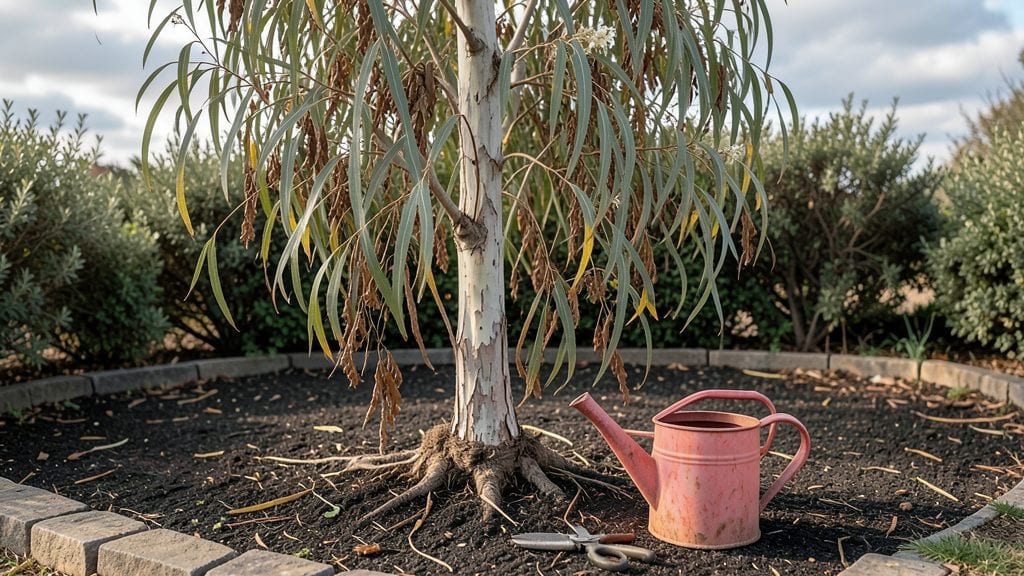
Your eucalyptus plant dying doesn’t mean it’s beyond saving—it just needs the right care fixes. 🌿 I’ve nursed back more than a few of these tough-but-sensitive trees by addressing their two biggest enemies: too much water and not enough light.
The key is understanding what’s really wrong, because eucalyptus plants often show stress in ways that look like wilting but aren’t actually drought-related.
The first step is checking the soil—if it’s soggy or smells funky, you’ve got root rot. But if the leaves are yellowing at the edges with crispy tips, it’s usually underwatering combined with too much sun.
Eucalyptus loves dry feet and bright light, but they’ll drop leaves if either extreme isn’t balanced. I’ve seen plants bounce back in just two weeks once I adjusted their watering schedule to once every 10-14 days and moved them to a sunnier spot.
Once you’ve got the basics right, focus on pruning dead or yellowing branches to encourage fresh growth. A little neem oil spray can help if you spot pests like psyllids, which love to munch on eucalyptus leaves.
The reward? Within a month, you’ll see new green shoots pushing through, and your plant will look like it’s thriving again—no more sad, drooping branches.
These trees are surprisingly resilient once you meet their needs, but they do have specific quirks. The biggest mistake I see is treating them like regular houseplants—eucalyptus plants need space to breathe and a lot of sunlight, even if that means keeping them outdoors year-round.
Let’s get yours back on track!
Root Causes Of Eucalyptus Decline
Eucalyptus trees are hardy, drought-resistant powerhouses—but even they can succumb to stress when conditions go awry. Understanding the why behind your eucalyptus’ decline is the first step to revival.
Below, we break down the most common culprits, from environmental mismatches to hidden pests, with science-backed explanations to help you diagnose the issue.
Eucalyptus trees thrive in well-draining soil and moderate moisture—they’re not fans of soggy roots.
When soil stays waterlogged, roots suffocate from a lack of oxygen, leading to: - Fungal infections (like Phytophthora or Pythium), which rot roots and block nutrient uptake. - Root asphyxiation, causing leaves to yellow (chlorosis) or drop prematurely. - Nutrient leaching, where excess water washes away essential minerals like nitrogen and phosphorus.
**🔍 Signs to watch for: Soggy soil that stays damp for days, mushy roots when gently probed, or a foul odor (like rot or mildew).
While eucalyptus tolerates dry spells, prolonged drought stresses the tree, triggering:
- Leaf scorch (brown, crispy edges) due to water loss and nutrient transport shutdown.
- Premature leaf drop as the tree conserves moisture.
- Stunted growth or weak new shoots, since the tree diverts energy to survival.
💡 Pro Tip: Eucalyptus roots can extend deeply—up to 10 feet! If your tree is in a pot, ensure the container has drainage holes and the soil dries out 2–3 inches down between waterings.
Eucalyptus trees are sun worshippers—they crave full sunlight (6+ hours daily).
Too little light leads to: - Leggy, weak growth (long, sparse stems with small leaves) as the tree stretches toward light. - Chlorosis (yellowing leaves) when photosynthesis slows, depriving the tree of energy. - Increased susceptibility to pests (like spider mites), which thrive in shaded, stressed plants.
⚠️ Warning: While they love sun, intense afternoon heat (especially in containers) can scorch leaves. If your climate is brutal, provide afternoon shade during extreme heatwaves.
Eucalyptus trees are light feeders but still need balanced nutrients for resilience.
Common deficiencies include: - Nitrogen (N) deficiency** → Pale green or yellow leaves (especially older ones), stunted growth. Fix: Apply a slow-release nitrogen fertilizer (like blood meal) in early spring. - Iron (Fe) or Magnesium (Mg) deficiency → Yellowing between leaf veins (interveinal chlorosis). Fix: Use chelated iron or Epsom salt (for magnesium) applied to the soil. - Potassium (K) deficiency → Weak stems, brown leaf edges, or poor cold tolerance. Fix: Add wood ash or a balanced 10-10-10 fertilizer in fall.
**📊 Soil Test Tip: If your eucalyptus has been struggling for months, a simple soil test kit ($10–$20) can reveal exact deficiencies—no guesswork!
Eucalyptus trees are pest magnets when stressed.
Common offenders include: | Pest/Disease | Signs | Solution | |------------------------|------------------------------------|-----------------------------------------------| | Spider Mites | Tiny webs, stippled/yellow leaves | Spray with neem oil or water blast | | Scale Insects | Sticky residue (honeydew), black soot mold | Prune infested branches; use horticultural oil | | Root Rot (Fungi) | Wilting despite water, mushy roots | Improve drainage; apply copper fungicide | | Psyllids | Curled, sticky leaves, white insects | Remove eggs by hand; use insecticidal soap |
🔥 Prevention Hack: Healthy eucalyptus = pest-resistant eucalyptus! Prune for airflow and water deeply but infrequently to reduce stress.
Eucalyptus trees hate cold snaps and scorching winds:
- Cold damage** (<30°F/–1°C): Leaves turn black or brown, stems may crack. Fix: Mulch heavily in winter; wrap young trees in burlap.
- Windburn: Leaves dry out or tear, exposing the tree to pathogens. Fix: Plant in a sheltered spot or use a windbreak (like a fence or hedge).
✨ Cold-Hardy Tip: Some eucalyptus varieties (like Eucalyptus pauciflora) tolerate down to 10°F (–12°C)—check your species before winter!
Reviving Your Eucalyptus Plant
When your eucalyptus plant starts showing signs of distress—drooping leaves, yellowing foliage, or stunted growth—don’t panic! With the right care, you can nurse it back to health.
Below are practical, step-by-step solutions tailored to the most common causes of a struggling eucalyptus. Each fix includes prevention tips to keep your plant thriving long-term.
Signs: Yellow leaves, mushy stems, or a foul smell from the soil.
How to Fix It: 🔥 Stop watering immediately – Let the top 2–3 inches of soil dry out completely before watering again. 🍳 Repot in well-draining soil – Mix cactus or sandy soil with perlite or pumice (50/50 ratio) to improve aeration. 👨🍳 Check the pot – Ensure it has drainage holes (if not, transfer to a new pot or drill holes). 🥘 Adjust your watering schedule – Eucalyptus prefers dry spells; water only when the soil is bone-dry. ⏰ Avoid soggy soil – If roots are rotting, trim away mushy sections with sterilized scissors and repot in fresh soil.
Prevention Tips: ✨ Use a moisture meter to track soil dryness. 🌡️ Water deeply but infrequently—once every 1–2 weeks in warm weather. 💡 Group plants together to create a self-regulating microclimate (they thrive in slightly drier air).
Signs: Crispy, brown leaf edges, wilting, or slow growth.
How to Fix It: 💧 Give it a thorough soak – Water until it drains from the bottom, then empty the saucer. 🌿 Increase humidity – Place the pot on a pebble tray with water or use a humidifier (eucalyptus loves 40–60% humidity). 🍃 Mist leaves lightly – Do this early in the day to prevent fungal issues. 🌞 Adjust light exposure – If indoors, move it near a south-facing window or use a grow light for 6–8 hours daily.
Prevention Tips: 🎯 Check soil moisture daily – Stick your finger 1–2 inches deep; if dry, water. 🔥 Group with other plants to raise ambient humidity naturally. 💡 Avoid cold drafts—eucalyptus dislikes sudden temperature drops.
Signs: Leaf scorch (brown patches), leaf drop, or stunted growth.
How to Fix It: 🌡️ Move to an ideal spot – Eucalyptus thrives in 60–80°F (15–27°C). Avoid AC vents, heaters, or freezing windows. ☀️ Filter harsh sunlight – If outdoors, provide partial shade (especially in peak afternoon sun). 🌿 Acclimate gradually – If moving indoors/outdoors, do so over 1–2 weeks to avoid shock.
Prevention Tips: 📊 Monitor temperature swings – Use a thermometer near the plant. ✨ Use sheer curtains to diffuse direct sun indoors. 💪 Fertilize lightly in spring/summer with a balanced 10-10-10 formula to boost resilience.
Signs: Sticky residue, holes in leaves, white webbing, or black spots.
How to Fix It: 🐜 Isolate the plant – Prevent pests from spreading to other plants. 🍳 Wipe leaves with neem oil – Mix 1 tsp neem oil + 1 tsp mild soap in 1 quart water, spray, and repeat weekly. 👨🍳 Blast off spider mites – Spray with water to dislodge them, then treat with insecticidal soap. 🥘 Prune infected leaves – Cut away blackened or spotted foliage with clean scissors. ⏰ Repot if soil is infested – Discard old soil and use fresh, sterile potting mix.
Prevention Tips: 🌡️ Inspect new plants before bringing them home. 💡 Encourage beneficial insects like ladybugs to control pests naturally. 🎯 Avoid over-fertilizing—weak plants attract pests.
Signs: Roots circling the pot, slow growth, or pale yellow leaves.
How to Fix It: 🌱 Repot every 2–3 years – Choose a pot 1–2 inches larger with fresh, well-draining soil. 🍃 Trim tangled roots – Gently separate roots and trim any that are circling or mushy. 💧 Fertilize lightly – Use a balanced liquid fertilizer (diluted to half strength) every 4–6 weeks in growing season.
Prevention Tips: 📊 Use a pot just slightly larger than the root ball. 🔥 Test soil pH – Eucalyptus prefers slightly acidic to neutral (6.0–7.0). 💡 Feed in spring/summer only—avoid fertilizing in winter.
If your eucalyptus is severely struggling, follow this 3-step rescue plan:
- Trim dead/dying leaves – Encourages new growth.
- Repot in fresh soil – Ensures a clean, nutrient-rich start.
- Adjust care routine – Stick to the fixes above for 4–6 weeks before expecting recovery.
With patience and the right adjustments, your eucalyptus can bounce back—stronger and healthier than ever! 🌿✨
Frequently asked questions
Why are my eucalyptus leaves turning yellow and falling off?
Yellowing leaves on eucalyptus usually signal overwatering or poor drainage. These trees thrive with dry spells between waterings—check if the soil stays soggy for days. Root rot from excess moisture blocks nutrient uptake, causing leaves to yellow and drop. Let the top 2-3 inches dry out before watering again, and ensure the pot has drainage holes.
Can I save a eucalyptus with brown, crispy leaf edges?
Yes! Crispy edges mean underwatering or low humidity. Give it a deep watering until water drains from the bottom, then place the pot on a pebble tray with water to boost humidity. Move it to a sunnier spot (6+ hours of light daily) and mist leaves lightly in the morning. Avoid cold drafts, which worsen dehydration.
How often should I fertilize a struggling eucalyptus?
Over-fertilizing stresses eucalyptus further. Use a balanced 10-10-10 fertilizer diluted to half strength every 4-6 weeks in spring/summer only. Skip fertilizer in winter when growth slows. If leaves show deficiency signs (pale green or yellow), test soil pH—eucalyptus prefers 6.0-7.0—and amend with chelated iron or Epsom salt if needed.
What pests are killing my eucalyptus, and how do I get rid of them?
Psyllids, spider mites, and scale insects love eucalyptus. Look for sticky residue (psyllids), tiny webs (mites), or black spots (scale). Isolate the plant, then spray with neem oil (1 tsp + 1 tsp soap per quart of water) weekly. For severe infestations, repot in fresh soil and prune affected leaves. Encourage ladybugs to naturally control pests.
Can eucalyptus recover from root rot?
Early-stage root rot is reversible! Stop watering immediately and let the soil dry completely. Trim any mushy, black roots with sterilized scissors, then repot in a mix of cactus soil and perlite. Use a copper fungicide to prevent reinfection. Place the plant in bright, indirect light and water only when the top 2-3 inches are bone-dry. Recovery takes 4-6 weeks of consistent care.