
How To
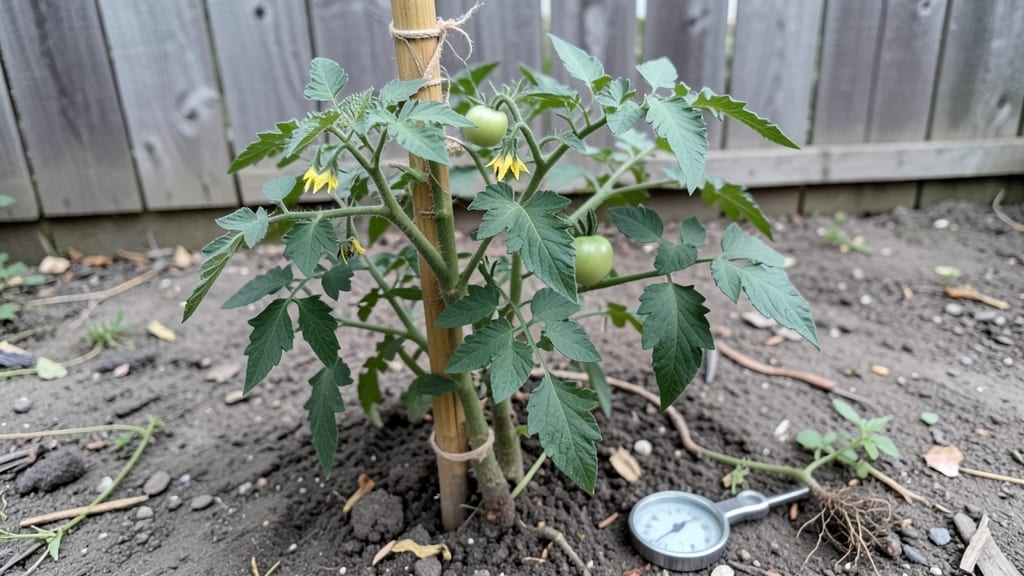
The soil temperature for planting tomatoes isn’t just a number—it’s the difference between plants that thrive and ones that sulk in the dirt. I’ve watched seedlings wilt when the ground was still too cold, only to explode with growth once the thermometer hit the right zone.
That first flush of true leaves tells you everything.
Tomatoes need soil that’s consistently 55-65°F before you even think about planting. In warmer zones like 8-10, that might mean starting in early spring, while cooler zones like 4-6 need to wait until late May or June.
A simple soil thermometer (just $10 at any garden center) takes the guesswork out—stick it in the ground at planting depth and check it for three days in a row.
When the temperature’s right, you’ll see roots grow like crazy and stems thicken within 10-14 days. The plants will drink up water instead of sitting soggy, and those first flowers appear faster.
But rush it, and you’ll get leggy, weak plants that struggle to support fruit. I’ve learned that hard way—twice.
Here’s the secret weapon: black plastic mulch or row covers. They warm the soil 5-10°F faster than bare earth, letting you plant 2-3 weeks earlier without risk. Just don’t remove them until nighttime temps stay above 50°F consistently. That’s how you cheat Mother Nature just enough to get ahead.
📚 In This Guide
- What you need
- Instructions
- Tips and common mistakes
- Wrapping up and next steps
What you need
- ● Soil thermometer – A digital or analog probe-style thermometer (reads 3–6 inches deep). Must have a Fahrenheit (°F) scale.
- ● Garden trowel or shovel – For digging small test holes (6-inch depth) to check soil temp.
- ● Tomato seeds or seedlings – Choose heirloom or hybrid varieties suited to your climate (e.g., Early Girl, Cherry Roma).
- ● Planting containers or garden beds – Raised beds, pots (minimum 12" deep), or in-ground plots with well-draining soil.
- ○ Black plastic mulch or row covers – Optional but helpful for warming soil faster (especially in cooler climates).
- ● Compost or organic matter – 2–3 gallons per plant to improve soil structure and warmth retention.
- ● Watering can or hose with gentle nozzle – For moistening soil evenly without disturbing seeds.
- ● Seedling heat mat – For indoor starts (70–85°F range) if planting early.
- ● Soil warming cables – Bury in beds 2–3 weeks before planting for a boost.
- ● pH test kit – Tomatoes thrive in 6.0–6.8 pH; adjust with lime or sulfur if needed.
- ● Garden journal – Track soil temps, planting dates, and tomato progress!
Instructions for testing and preparing soil for tomato planting
Tomatoes need warm soil to thrive—here’s how to check and ready your beds properly.
Determine Your Soil Temperature
Use a soil thermometer to check the temperature at a depth of 4 inches—this is where tomato roots will establish first. The ideal temperature range for planting tomatoes is 60-70°F. Check in the morning when soil is coolest; if it’s consistently above 55°F, your soil is ready.
I like to take readings over 3-5 days to account for daily fluctuations. If your soil is below 55°F, wait a few more days—rushing can stunt root growth and delay fruiting. Cold soil also makes seedlings more vulnerable to disease.
Warm Up Cool Soil Naturally
If your soil is still too cool, use black plastic mulch or dark landscape fabric to absorb sunlight and raise temperatures. Lay the material over the planting area 1-2 weeks before transplanting. The plastic traps heat during the day and radiates it back at night, accelerating soil warming.
Another trick is to plant in raised beds—they warm up faster than ground soil. Fill beds with a mix of compost and garden soil to improve drainage and heat retention. Avoid tilling too deeply, as this can bring cold subsoil to the surface and delay warming.
Prepare the Planting Area
Once soil reaches 60°F, loosen the top 6 inches with a garden fork or tiller to improve aeration and root penetration. Remove any weeds or debris that could compete with your tomatoes for nutrients. Add a 2-inch layer of compost to enrich the soil and boost microbial activity, which helps roots establish faster.
Create planting holes that are twice as wide as the tomato root ball but only as deep as the container. This encourages roots to spread outward rather than growing too deep, which can lead to weak stems. Gently place the seedling in the hole and firm the soil around it—don’t pack it too tightly, or you’ll restrict root growth.
Monitor and Adjust After Planting
Keep an eye on soil temperature for the first week after transplanting. If nights drop below 50°F, cover young plants with a floating row cover or cloche to protect them. Cold stress can cause blossom end rot or stunt growth, so maintaining warmth is key.
Water deeply once a week if rainfall is light, ensuring the soil stays moist but not soggy. Mulch with straw or grass clippings to retain heat and moisture. You’ll know your tomatoes are off to a great start when new leaves appear within 7-10 days—a sign their roots are happily exploring warm soil.
Tips & tricks for perfect soil temperature for planting tomatoes
Getting your soil just right can make all the difference between thriving tomato plants and struggling starts. Here's what I've learned to ensure your soil is tomato-ready.
Temperature Matters: The 60-70°F range isn't just a suggestion—it's critical for root development. I've seen seedlings planted in cooler soil struggle with poor root systems, leading to weak plants that can't support fruit. If your morning readings consistently hit 60°F, that's your green light to plant. For those early spring days when temps hover around 55°F, give it another week—your patience will pay off with stronger plants.
Timing Secret: Those 3-5 days of temperature monitoring might seem tedious, but it's worth it. I learned this the hard way when I rushed planting after just two days of 55°F soil—my seedlings took weeks to establish properly. Early mornings are best for checking because soil temperatures naturally drop overnight, giving you the coolest (and most accurate) reading. If you're in doubt, err on the side of waiting—tomatoes will forgive you for planting too late, but not too early.
Soil Preparation: When you reach that 60°F threshold, don't just plant—prepare properly. Loosening just the top 6 inches creates the perfect environment for roots to spread. I've found that adding that 2-inch layer of compost at this stage gives roots a nutrient boost right when they need it most. And remember, those planting holes should be twice as wide as the root ball—this encourages outward growth rather than forcing roots downward where they'll find cooler soil.
Post-Planting Care: That first week after transplanting is crucial. I've had the best success when I monitor soil temps daily during this period, especially if nights dip below 50°F. A simple floating row cover can make all the difference in protecting young plants. And here's a trick I picked up: if you see new leaves appearing within 7-10 days, you know your roots are establishing perfectly in that warm soil.
Pro Tips for Soil Temp For Planting Tomatoes
- Getting your soil just right can make all the difference between thriving tomato plants and struggling starts.
- Temperature Matters: The 60-70°F range isn't just a suggestion—it's critical for root development.
- Timing Secret: Those 3-5 days of temperature monitoring might seem tedious, but it's worth it.
Frequently asked questions
Got questions about soil temperature and tomato planting?
You’re not alone! Here are answers to the most common queries to help you grow juicy, healthy tomatoes with confidence.
What’s the ideal soil temperature for planting tomatoes?
The sweet spot for planting tomatoes is 60–70°F (15–21°C). Below 50°F (10°C), seeds won’t germinate, and roots struggle to grow. Use a soil thermometer to check—warmth speeds up germination and early growth!
Can I plant tomatoes if the soil is only 55°F (13°C)?
You can, but germination will be slow or inconsistent. If you’re in a hurry, try covering seeds with black plastic or a cold frame to warm the soil faster. For transplants, wait until soil hits 60°F+ (15°C+) for best results.
What if my soil stays too cold? Are there alternatives?
If your soil won’t warm up, try these tricks:
- Start indoors 6–8 weeks before the last frost, then transplant when soil warms.
- Use row covers or black plastic mulch to trap heat.
- Choose cold-tolerant varieties like ‘Stupice’ or ‘Mountain Merit.’
My tomato seeds sprouted, but the soil is still cold. What now?
If seedlings emerge in cool soil (<50°F/10°C), they’ll grow leggy and weak. Move them to a sunny windowsill or grow light until soil warms. Avoid transplanting until roots can establish—wait for 60°F+ (15°C+) to replant.
Does soil temperature matter for container-grown tomatoes?
Containers heat up and cool down faster than ground soil. Use a thermometer to monitor temps—aim for 65–75°F (18–24°C). If your container stays cold, move it to a sunny, sheltered spot or use a heat mat for seedlings.
Wrapping up and next steps
Getting your soil temp for planting tomatoes just right is the secret to a bountiful harvest! 🌱 Whether you’re starting seeds indoors or transplanting seedlings, warm soil (ideally 60°F–85°F) and consistent care will give your tomatoes the best possible start.
Don’t let temperature stress hold you back—your future juicy, ripe tomatoes are waiting!
Now that you’re armed with the know-how, take the next step: grab your soil thermometer, check those temps, and get planting! 🌿 And remember, every gardener starts somewhere—so embrace the process and enjoy the rewarding journey of growing your own tomatoes.