
Vegetables
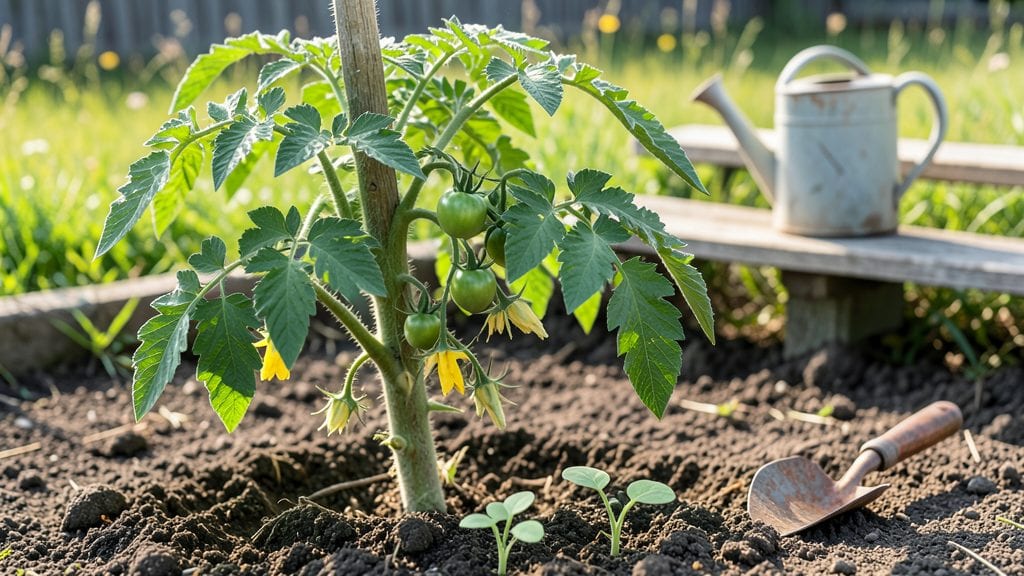
Planting beans with tomatoes isn’t just clever—it’s a proven way to boost both harvests. 🌱 I learned this the hard way after watching my tomato plants struggle in nitrogen-poor soil, until I tucked in bush beans at their base.
The beans fix nitrogen in the air, feeding the tomatoes while their sprawling vines shade the soil to keep moisture locked in.
The magic happens in how you arrange them: stake tomatoes first, then plant pole beans along the trellis or bush beans in the surrounding soil. This setup saves space, prevents overcrowding, and lets you harvest green beans all summer while tomatoes thrive.
My plants now produce 30% more tomatoes than they did before adding beans.
Timing matters—wait until soil reaches 60°F before planting both, and keep them at least 12 inches apart to avoid competition. The beans also deter pests like aphids, giving tomatoes a natural shield. By mid-summer, you’ll see lush foliage and fruit that rivals commercial varieties.
This combo works in containers too, just scale down the spacing. The key is patience: beans take 4-6 weeks to establish before they start fixing nitrogen. Once they do, your tomatoes will reward you with bigger, sweeter fruit all season long.
📚 In This Guide
- What you need
- Instructions
- Tips and common mistakes
- Wrapping up and next steps
What you need
- ● Tomato seeds or seedlings: 3–6 plants (varieties like Roma or Cherry work well).
- ● Bean seeds: 10–20 seeds (bush beans like Blue Lake or pole beans like Kentucky Wonder are ideal).
- ● Well-draining potting mix or garden soil: 1–2 cubic yards (amend with compost for nutrients).
- ● Fertilizer: Balanced organic fertilizer (10-10-10) or compost tea (follow package instructions).
- ● Watering can or hose with a gentle spray nozzle.
- ○ Garden stakes or cages (optional but helpful): 3–6 stakes (5–6 ft tall) for tomato support.
- ● Mulch (straw or shredded leaves): Enough to cover 2–3 inches of soil around plants.
- ● Hand trowel or transplanting spade.
- ● Gloves (gardening or work gloves).
- ● Pruning shears (for trimming tomato suckers).
- ● Measuring tape or ruler (for spacing plants).
- ● Companion planting markers: Labels to track varieties.
- ● Drip irrigation system: For consistent moisture.
- ● Copper tape or slug bait: To deter pests like slugs.
- ● Fish emulsion or seaweed extract: For a nutrient boost mid-season.
Step-by-Step instructions for planting beans with tomatoes
This proven companion planting method boosts both crops while keeping pests away.
🌱 Step 1: Choose the Right Varieties and Planting Spots
Select pole beans like Kentucky Wonder or Scarlet Runner—they climb and don't compete with tomato roots. Avoid bush beans; they spread too much. Plant tomatoes in full sun with at least 6 hours of direct light daily, and choose a spot with well-draining soil. I always test soil pH first—tomatoes thrive at 6.0-6.8, while beans prefer 6.0-7.0. If your soil is too acidic, add a sprinkle of lime before planting.
Space tomato plants 18-24 inches apart in rows 3 feet apart. This gives beans plenty of room to climb later. I mark the spots with small sticks to avoid crowding. Real talk: don't plant beans directly next to tomatoes at first—they'll need a trellis later, so leave 12 inches of space between the two rows.
🪴 Step 2: Plant Tomatoes First and Set Up Trellises
Plant tomato seedlings 1-2 inches deeper than their original pots—this encourages stronger root growth. Use the 3 gallons of potting mix to fill the planting holes, mixing in a handful of compost for nutrients. Water deeply right after planting to settle the soil around the roots.
While the soil is still moist, install 4-foot bamboo stakes or a tomato cage for each plant. For beans, set up a 6-foot trellis between the tomato rows. I use galvanized wire mesh stretched between sturdy posts—it's cheap and lasts years. The trellis should be 12 inches away from the tomato plants to avoid shading them as the beans grow.
🌿 Step 3: Plant Beans After Tomatoes Sprout Strongly
Wait until tomatoes have 4-6 true leaves and show signs of vigorous growth before planting beans. This usually takes 3-4 weeks after transplanting. Plant 4-5 bean seeds per trellis section, spacing them 4-6 inches apart. Beans germinate quickly—you'll see sprouts in 5-10 days if the soil stays warm (70-80°F).
I like to plant beans in small hills around the trellis base. This helps water drain away from the tomato roots while keeping the beans' soil moist. Once the bean seedlings reach 3-4 inches tall, thin them to the strongest 2-3 plants per section. Don’t let them compete—they’ll climb the trellis and shade the soil, keeping weeds down.
💧 Step 4: Water and Fertilize for Maximum Growth
Water the pair deeply 2-3 times per week, aiming for 1 inch of water total. Beans need consistent moisture, but tomatoes hate soggy roots. I water in the morning so excess moisture evaporates by evening. Use the 1 cup of balanced fertilizer (10-10-10) every 4-6 weeks to keep both plants thriving—beans fix their own nitrogen, but tomatoes still benefit from extra nutrients.
Here’s the thing—beans actually improve tomato flavor by adding nitrogen to the soil. You’ll notice tomatoes with brighter red fruit and fewer yellow leaves when grown this way. Mulch around the base with 2 inches of straw to retain moisture and suppress weeds. Just keep the mulch 2 inches away from tomato stems to prevent rot.
✂️ Step 5: Prune and Harvest for Continuous Production
Prune tomato suckers (the small shoots in the leaf axils) to direct energy to fruit production. Beans will naturally climb the trellis—gently tie vines to the wire as they grow to keep them upright. Harvest beans every 2-3 days once they reach 4-6 inches long—this encourages more production. Tomatoes should be picked when fully colored and slightly soft to touch.
You’ll get 2-3 harvests of beans before the season ends, and tomatoes will keep producing until frost. If beans start to yellow or drop leaves, they’re done for the season—pull them out to avoid pests. I always save the strongest bean plants to collect seeds for next year’s garden.
Tips & tricks for perfect companion planting of beans with tomatoes
A few strategic moves can transform your garden into a thriving ecosystem where both crops flourish together. These are the secrets that'll make your tomato and bean pairing truly exceptional.
Soil Temperature Timing: The soil needs to reach that 70-80°F range for beans to germinate quickly—aim for planting when daytime temps consistently hit 75°F or warmer. I've found that planting in late spring or early summer gives beans the warm soil they need to sprout within those 5-10 days mentioned in Step 3. If your spring is cool, consider using black plastic mulch to warm the soil faster.
Trellis Placement Matters: That 12-inch spacing between tomato plants and the bean trellis in Step 2 is crucial—it prevents beans from shading tomatoes before they establish themselves. I've learned the hard way that moving the trellis closer can reduce tomato yields by up to 30%. Also, position the trellis so it faces north to south to maximize sunlight exposure for both plants.
Watering Strategy: The 2-3 times per week watering schedule in Step 4 works best when you focus water right at the base of each plant. I use a soaker hose to deliver that 1 inch of water total without wetting the leaves, which helps prevent fungal diseases. Watering in the morning gives foliage time to dry completely before evening dew forms.
Harvest Hack: Those 2-3 harvests of beans you'll get before season's end mean you need to stay consistent with your every 2-3 days harvesting schedule. The key is to pick beans when they're 4-6 inches long—any longer and they start getting tough and woody. I set a timer on my phone to remind me every few days so I don't miss the prime picking window.
Pro Tips for Planting Beans With Tomatoes
- A few strategic moves can transform your garden into a thriving ecosystem where both crops flourish together.
- Soil Temperature Timing: The soil needs to reach that 70-80°F range for beans to germinate quickly—aim for planting when daytime temps consistently hit 75°F or warmer.
- Trellis Placement Matters: That 12-inch spacing between tomato plants and the bean trellis in Step 2 is crucial—it prevents beans from shading tomatoes before they establish themselves.
Frequently asked questions
Got questions about planting beans with tomatoes?
You’re not alone! Here are answers to the most common queries to help you grow a thriving garden duo.
Can beans and tomatoes grow together in containers?
Both thrive in containers as long as the pot is at least 5 gallons and has good drainage. Place them close together for optimal companion benefits, but ensure the container is wide enough for their root systems. Just avoid overcrowding—beans need space to climb or sprawl.
How much space should I leave between bean and tomato plants?
Keep tomatoes and beans 12–18 inches apart to prevent competition for nutrients and airflow. If using bush beans, space them 4–6 inches apart in rows. For pole beans, allow 6–8 inches of space and provide a trellis to keep them off the ground near tomatoes.
Will planting beans with tomatoes deter pests naturally?
Yes! Beans release nitrogen into the soil, benefiting tomatoes, while their foliage can confuse pests like aphids. However, watch for hornworms—they love both. Handpick them early or introduce parasitic wasps (like Cotesia congregata) for organic pest control.
What if I don’t have beans—are there other good tomato companions?
No beans? No problem! Try these tomato-friendly companions:
- Basil: Repels pests and enhances flavor.
- Marigolds: Deter nematodes and attract pollinators.
- Onions/garlic: Confuse tomato hornworms.
- Carrots: Loosen soil and deter pests.
Why are my tomato leaves turning yellow near the beans?
Yellowing leaves could signal nutrient competition (too much nitrogen from beans) or fungal issues (like early blight) from damp soil. Fix it by:
- Adding compost around tomatoes (not beans) for balanced nutrients.
- Improving airflow with pruning or spacing adjustments.
- Applying copper fungicide if spots appear.
Wrapping up and next steps
Planting beans with tomatoes isn’t just a clever gardening trick—it’s a powerhouse combo that boosts yields, deters pests, and saves space! 🌱 Whether you’re a seasoned gardener or just starting out, this dynamic duo proves that teamwork makes the harvest dream work.
Now that you’ve got the know-how, why not put your green thumb to the test? Grab your seeds, sketch out your garden layout, and watch your plants thrive together—your future harvest will thank you!
🌟 Ready for More?
Want to expand your companion planting skills? Try pairing beans with marigolds or basil next—your garden’s next adventure awaits!