
Pruning
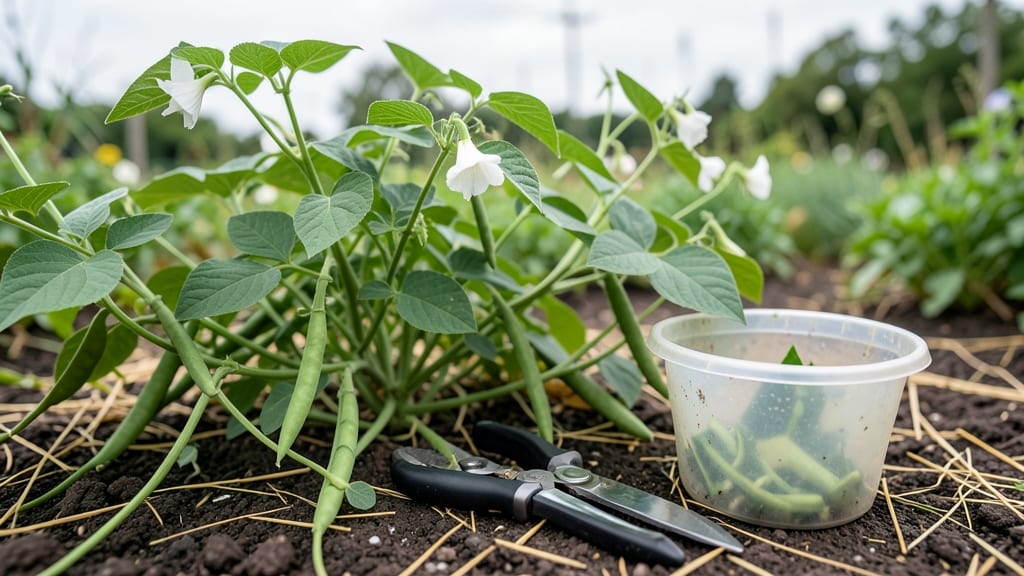
Pruning bean plants transforms a single harvest into a year-round bounty—I’ve gone from one sad pod to buckets of fresh beans by mastering just three strategic cuts. 🌱 The key isn’t trimming for looks but for airflow, sunlight, and plant energy.
Bush beans and pole beans respond differently, but the same principles apply: prune early, prune often, and always leave the plant room to grow.
You’ll need sharp pruning shears (clean blades prevent disease), a small bucket for clippings, and about 15 minutes per plant every 2-3 weeks. The right tools make all the difference—dull shears tear stems, inviting pests and rot.
Focus on removing yellow leaves, crossing branches, and any growth that’s crowding the main stems. For pole beans, pinch back the tips to encourage bushier growth; bush beans just need a light trim to keep them from getting leggy.
What you’ll get is a plant that keeps producing long after most gardens have given up. My pole beans now climb 8 feet tall with pods forming all summer, while bush beans stay compact and prolific.
The air circulation from pruning cuts down on fungal diseases, and the extra sunlight means sweeter, more abundant beans. It’s the difference between a few sad pods and a harvest that lasts months.
This works for both bush and pole varieties, in containers or in-ground, and even extends the season if you prune lightly in fall. The only rule? Never take more than 20% of the plant’s foliage at once—beans recover fast, but they won’t forgive aggressive cuts.
Start small, watch how your plants respond, and adjust as you go.
📚 In This Guide
- What you need
- Instructions
- Tips and common mistakes
- Wrapping up and next steps
What you need
- ● Pruning shears: Sharp, bypass-style shears (4–6 inches) for clean cuts—sterilize with rubbing alcohol before and after use!
- ● Hand pruners: Smaller, ergonomic pruners for delicate trims (great for bush beans).
- ● Gloves: Garden-grade gloves (nitrile or leather) to protect hands from thorns and dirt.
- ● Disinfectant: 70% isopropyl alcohol or bleach solution (1 part bleach to 9 parts water) to prevent disease spread.
- ○ Garden twine or stakes: (Optional) 4–6 ft wooden or bamboo stakes to support climbing beans post-pruning.
- ● Compost or mulch: Organic matter (e.g., straw, grass clippings) to replenish soil after trimming.
- ● Healthy plants: Prune only when beans are vigorously growing (3–4 weeks after planting for bush beans; 6–8 weeks for pole beans).
- ● Weather check: Aim for mild, dry conditions (morning or late afternoon) to avoid stressing plants.
- ● Water supply: A hose or watering can to hydrate plants 24 hours before and after pruning.
- ● Sunlight access: Ensure your workspace is near direct sunlight for quick recovery.
- ● Plant markers: Labeling tags to track pruned varieties (e.g., "Runner Beans – Trimmed 5/15").
- ● Horticultural oil: For extra disease prevention on older plants.
- ● Knee pad: Because comfort matters when squatting for hours!
Step-by-step guide to pruning bean plants for bountiful harvests
Here's how to keep your bean plants productive all season with just three simple trims.
✂️ Step 1: Trim Early for Stronger Stems
When your bean plants are about 6 inches tall, pinch off the very top set of leaves just above a pair of healthy leaves. This might seem counterintuitive, but it redirects energy from leaf growth to root and stem development. You'll see thicker stems and more side branches forming within 2-3 weeks—these are the branches where your pods will form.
Use clean, sharp scissors or pruning shears to make a clean cut. Avoid tearing the stem, which can invite disease. If you notice any yellowing or spotted leaves at this stage, remove them completely to prevent pests from moving into your plant.
✂️ Step 2: Prune Side Branches for Better Airflow
Once your plants reach 12-18 inches tall, focus on the side branches. Remove any branches that grow inward or cross over others—these create shaded spots where air can't circulate. Good airflow prevents fungal diseases like rust, which can ruin your harvest. Aim to leave only the strongest, outward-growing branches.
Look for branches that are growing toward the center of the plant or rubbing against others. These are prime candidates for removal. I like to make my cuts just above a leaf node where new growth can emerge. This keeps the plant's energy flowing to productive areas rather than weak, crowded growth.
✂️ Step 3: Harvest and Prune Regularly to Encourage More Pods
Here's where it gets fun—harvesting is part of your pruning routine! When pods reach 4-6 inches long (depending on the variety), pick them promptly. This encourages the plant to produce more flowers and pods. After harvesting, check the stem for any spent flowers or pods that didn't develop properly and trim those off at the base.
Don't let pods linger on the vine past their prime—they'll toughen up and the plant's energy will be wasted. I also remove any yellowing or dying leaves at this stage. This keeps the plant focused on producing new growth and pods rather than maintaining old, unproductive foliage. A quick once-over every 3-4 days keeps your plants in top shape.
⏰ Step 4: Late-Season Pruning for Next Year's Growth
As the season winds down and your plants finish producing, give them one last trim. Cut back any remaining stems to about 6 inches tall if you're growing perennial varieties like runner beans. This helps the plant store energy in its roots for next season's growth. For annual varieties, you can remove the entire plant once it's done producing.
Clean up any plant debris from around the base—this reduces overwintering pests and diseases. If you're in a cooler climate, you might want to mulch around the base with 2-3 inches of straw or leaves to protect the roots during winter. This simple step can make a big difference in next year's productivity.
Tips & tricks for pruning bean plants
A few simple tricks can transform your bean plants from scraggly to superproductive—here's how to get the most from every trim.
Timing is Everything: The 6-inch height for your first trim is critical—waiting too long means you miss the window to redirect energy to stem growth. I've seen plants that were already flowering by the time I realized they needed this first trim, and the harvest was noticeably smaller. Check your plants weekly starting when they're about 4 inches tall so you don't miss this window.
Tool Selection Matters: Don't use your kitchen scissors for pruning—opt for clean, sharp pruning shears or small garden scissors. I keep a dedicated pair just for gardening, and they last years. Dull tools crush stems and create entry points for diseases. Sterilize your tools with rubbing alcohol between plants to prevent spreading any potential infections.
Visual Cues for Better Pruning: When pruning side branches in Step 2, look for the "V" shape where branches grow away from the main stem. These are your power branches—they'll produce the most pods. I also check for leaves that are touching the ground or other plants, as these create moisture traps that encourage fungal growth. Remove anything that blocks sunlight from reaching the center of the plant.
Seasonal Strategy: For perennial varieties like runner beans, that final late-season trim to 6 inches is your secret weapon for next year. I've seen plants that produced 30% more pods the following season after this simple step. In colder climates, add 1-2 inches of straw mulch after pruning to insulate roots—this makes all the difference in spring regrowth.
Pro Tips for Prune Bean Plants
- A few simple tricks can transform your bean plants from scraggly to superproductive—here's how to get the most from every trim.
- Timing is Everything: The 6-inch height for your first trim is critical—waiting too long means you miss the window to redirect energy to stem growth.
- Tool Selection Matters: Don't use your kitchen scissors for pruning—opt for clean, sharp pruning shears or small garden scissors.
Frequently asked questions
Got questions about pruning your bean plants for maximum yield? We’ve got answers!
Whether you’re a beginner or a seasoned gardener, these FAQs will help you trim with confidence and keep your beans thriving year-round.
When is the best time to prune bean plants?
Prune bush beans early and often—start when plants reach 6–8 inches tall to encourage bushier growth. For pole beans, trim throughout the season, focusing on removing flowers after harvest to redirect energy to new pods. Avoid heavy pruning during flowering or fruiting unless necessary. Pro tip: Morning pruning reduces stress on plants!
How much should I trim off each time?
For bush beans, snip back 1/3 of the plant’s height during the first trim, then lighten up afterward. Pole beans can handle more aggressive pruning—remove up to half the plant’s length if overgrown, but avoid cutting into the main stem. Key rule: Never remove more than 25% of the plant’s foliage at once to prevent shock.
What should I do if my beans stop producing after pruning?
If your beans take a break after trimming, don’t panic! This is normal—plants need time to recover. Boost recovery by ensuring they get:
- Full sun (6–8 hours daily)
- Consistent watering (1–1.5 inches per week)
- Balanced fertilizer (low in nitrogen, high in phosphorus)
Can I prune bean plants in winter or cold climates?
Most beans are annuals, so winter pruning isn’t needed—just harvest and compost the plants. However, if you’re growing perennial beans (like some runner beans in warm zones), prune lightly in late winter to shape the plant before new growth starts. In cold climates, focus on seasonal pruning during the growing months (spring to fall).
Are there alternatives to pruning for bushier bean plants?
Yes! If pruning feels overwhelming, try these low-maintenance tricks:
- Pinch back tips: Gently squeeze off the top 2–3 inches of young plants to encourage branching.
- Thin seedlings: Space plants 3–4 inches apart (bush beans) or 4–6 inches apart (pole beans) to reduce competition.
- Use trellises: Pole beans naturally grow upward, reducing the need for heavy pruning.
Wrapping up and next steps
Pruning your bean plants isn’t just about keeping them tidy—it’s the secret to unlocking year-round productivity! 🌱 By mastering the three key trims (initial shaping, mid-season maintenance, and harvest pruning), you’ll encourage healthier growth, bigger yields, and even extend your harvest season.
Whether you’re a seasoned gardener or a curious beginner, these techniques make pruning simple and rewarding.
Now that you’re armed with the know-how, grab those shears and get pruning! Start with one plant this week, observe the changes, and soon, you’ll be harvesting fresh, flavorful beans like a pro. Happy gardening—your future harvests will thank you! 🌟