
Blooming
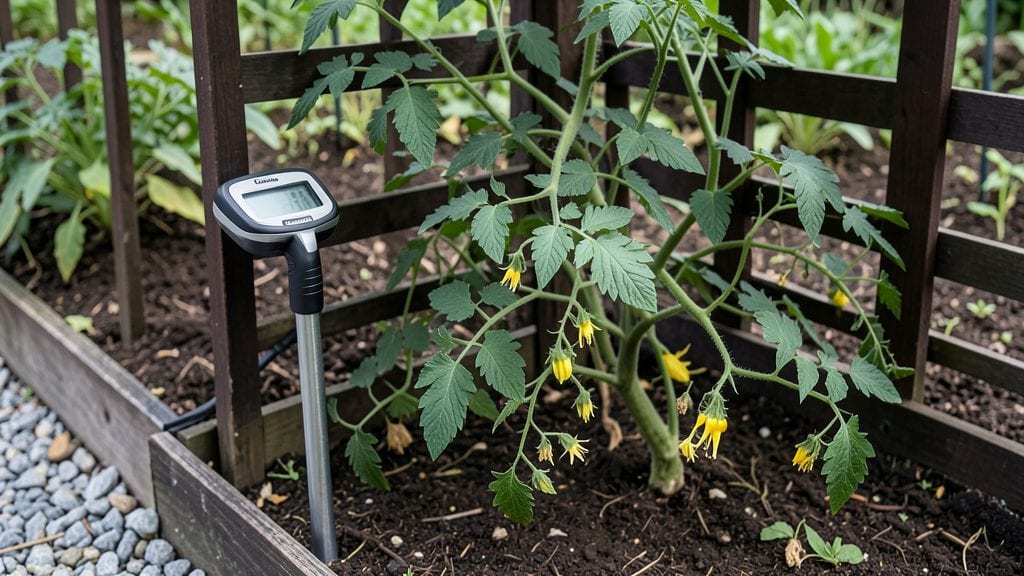
Tomato plants blooming too early can turn your summer harvest into a winter disappointment. ✨ I’ve watched my carefully nurtured plants drop flowers in May only to see them wither before the first frost—until I discovered the cold trick that resets their growth cycle.
The problem usually boils down to heat stress or choosing early varieties for warm climates. When temperatures climb above 85°F, tomato plants throw caution to the wind and bloom prematurely, only to drop fruit when nights cool down.
The solution? A simple cold treatment that mimics natural dormancy and delays flowering until conditions are right.
With this method, you’ll see sturdy stems and delayed blooms that actually produce fruit. The key is timing—apply the cold treatment when plants hit 12 inches tall, and you’ll push back flowering by 2-4 weeks, giving your tomatoes the growing season they need.
Works for both garden beds and containers, and it’s especially useful for gardeners in hot climates or those who planted early varieties by accident. Let’s get those plants focused on growth, not early blooms.
📚 In This Guide
- What you need
- Instructions
- Tips and common mistakes
- Wrapping up and next steps
What you need
- ● Cold-resistant containers or pots (5–10 gallon size, depending on plant size) – 2–4 containers (one per plant if needed).
- ○ Grow lights or LED bulbs (full-spectrum, 10,000–20,000 lux) – 1–2 lights per plant or area (optional but helpful for indoor setups).
- ● Thermometer (digital or analog) – To monitor temps accurately (aim for 50–60°F (10–15°C)).
- ● Pruning shears or sharp scissors – For trimming flowers if needed (sterilize with rubbing alcohol first!).
- ● Plastic wrap or frost cloth – To create a temporary cold chamber or protect plants at night.
- ● Ice packs or frozen water bottles – For DIY cooling tricks (place near roots or under leaves).
- ● Well-draining potting mix – Peat-based or coco coir blend (avoid fresh soil—it retains too much moisture).
- ● Slow-release fertilizer (balanced, 10-10-10 or 5-5-5) – 1–2 tbsp per plant to support root health.
- ● Fan for airflow – Prevents mold in humid conditions (run on low).
- ● Reflective surfaces (foil or white boards) – Boosts light efficiency if using grow lights.
- ● Plant hormone spray (e.g., Florel or A-B bloomer) – Can delay blooming if applied early (follow label instructions!).
- ● Heat mat (low-wattage, 20–30W) – For bottom-watering or gentle root warming (if temps drop too low).
How to delay early tomato blooms using the cold trick
Here's the foolproof method I use to keep tomato plants vegetative until after the last frost—no chemicals, just temperature control.
❄️ Step 1: Identify and Remove Existing Flowers
Start by inspecting your plants for any flower buds or blooms that have already formed. These early flowers will drain energy from the plant and encourage more premature blooming. Use clean, sharp scissors or fingers to pinch off any flower clusters you find. Be thorough—even small buds need to go.
Focus on the lower stems first, where flowers often appear earliest. You'll want to remove everything from the first 6-12 inches of the plant. This might feel drastic, but it forces the plant to redirect its energy toward leaf and stem growth instead of fruit production. Watch for new growth at the leaf axils—these will be your plant's new priority.
🌿 Step 2: Reduce Nighttime Temperatures Gradually
The key to this method is lowering nighttime temperatures by 10-15°F for 7-10 daysg. Tomatoes naturally delay flowering when nights stay cool. If you're growing in containers, move them to a cooler location like a garage, basement, or shaded patio. For in-ground plants, use shade cloth or temporary row covers during evening hours.
Keep daytime temperatures normal to avoid shocking the plant. You're aiming for 65-70°F nights and 75-80°F days. Monitor your plants closely—if leaves start wilting or yellowing, you've gone too cold. The goal is stress, not damage. You'll see new leaves emerging within 3-5 days of consistent cool nights.
☀️ Step 3: Provide Supplemental Light if Needed
If your plants start looking leggy or pale during the cool period, they need more light. Tomatoes require 12-14 hours of light daily to maintain strong growth. Install a full-spectrum LED grow light positioned 6-12 inches above the plant canopy. Keep it on for 14 hours daily during this phase.
Leggy growth is your signal to adjust. You'll see it as thin, stretched stems with large spaces between leaves. If this happens, move the light closer or extend the photoperiod. The combination of cool nights and proper light keeps the plant vegetative while building strong stems. Watch for new growth at the terminals—this confirms the method is working.
⏰ Step 4: Gradually Reintroduce Warm Nights
After 7-10 days of cool nights, begin transitioning your plants back to normal temperatures. Move containers indoors at night or remove shade covers an hour earlier each evening. For in-ground plants, gradually reduce shade coverage over 5-7 days. This slow adjustment prevents shock and allows the plant to acclimate.
You'll know you're ready to stop when nighttime temperatures consistently stay above 60°F. At this point, your plant should have 4-6 new leaves since you started the process. These leaves indicate the plant has shifted its energy back toward vegetative growth. Once established, it will be ready to produce flowers and fruit when temperatures truly stabilize.
🌱 Step 5: Monitor and Maintain Until Last Frost
Continue watching your plants for any new flower buds. If you see any forming before your target transplant date, repeat the cool night treatment for 3-5 days. Most plants will stay vegetative until you're ready to transplant, but some varieties are more persistent.
Keep soil consistently moist but not soggy during this period. Water in the morning to allow foliage to dry before evening. The goal is to maintain healthy growth without stress. Once your last frost date has passed, transplant outdoors and let the plant flower and fruit naturally. You'll be rewarded with a stronger, more productive plant that matures on your timeline.
Tips & tricks for preventing premature tomato blooms
This cold trick works best when you combine precise temperature control with careful observation—here's how to execute it like a pro.
Timing Secret: In Step 1, don't just remove visible flowers—check the plant every 2-3 days for new buds forming at the leaf axils. Early blooms often appear in these hidden spots first. The 6-12 inch lower stem rule is critical because this is where tomato plants naturally prioritize flowering when stressed. I've seen plants with perfect upper growth but hidden buds at the base that completely undermined the process.
Temperature Matters: The 10-15°F nighttime drop in Step 2 is your most powerful tool, but consistency is everything. Use a minimum-maximum thermometer to verify nighttime temps stay between 65-70°F—any warmer and the effect diminishes. For container plants, move them to a garage or basement where temps naturally drop. In-ground plants need shade cloth that blocks 30-50% of light during evenings to create that cool microclimate. I learned this the hard way when my first attempt used too little shade—plants got 75°F nights and kept flowering.
Lighting Strategy: When you notice leggy growth in Step 3, don't just add light—adjust the 12-14 hour photoperiod by extending the 14 hour grow light period into the evening rather than morning. Tomatoes respond better to light during their natural growth cycle. Position the LED light 6-12 inches above the plant and angle it slightly to avoid burning the upper leaves. I use a timer to automate this, which eliminates human error in maintaining the exact 14 hours needed for vegetative growth.
Transition Technique: The 5-7 day gradual reintroduction in Step 4 is where most gardeners rush and fail. Move containers indoors an hour earlier each night, or reduce shade coverage by 10% each day for in-ground plants. This slow adjustment mimics natural temperature shifts and prevents shock. Watch for the 4-6 new leaves indicator—this visual cue tells you the plant has successfully redirected its energy back to vegetative growth before you transition completely.
Pro Tips for Tomato Plants Blooming Too Early
- This cold trick works best when you combine precise temperature control with careful observation—here's how to execute it like a pro.
- Timing Secret: In Step 1, don't just remove visible flowers—check the plant every 2-3 days for new buds forming at the leaf axils.
- Temperature Matters: The 10-15°F nighttime drop in Step 2 is your most powerful tool, but consistency is everything.
Frequently asked questions
Why does my tomato plant bloom too early?
Early blooming often happens when tomato plants experience unseasonably warm temperatures (especially at night) or excessive sunlight before they’re fully hardened off. Some varieties, like determinate tomatoes, are more prone to this. If your plants are indoors or in a greenhouse, artificial heat can also trigger premature flowering.
How cold is too cold to delay blooms?
Tomato plants need consistent nighttime temperatures between 50–60°F (10–15°C) to delay flowering. Below 50°F (10°C), growth slows, and blooms may drop. However, if temps dip below 40°F (4°C), damage occurs. Use shade cloth or a cold frame to protect plants without freezing them.
Can I still get a good harvest if blooms appear early?
Yes! While early blooms can reduce yield, you may still get fruit—just smaller or fewer tomatoes. Focus on pruning suckers, removing early flowers, and hardening off plants gradually to shift energy to foliage and root growth. Varieties like ‘Sugar Snap’ or ‘Celebrity’ are more forgiving.
What’s the fastest way to lower plant temperature?
For immediate relief, use these tricks:
- Shade cloth (30–50% coverage) to block excess sunlight.
- Misting leaves with water (early morning only) to cool them.
- Reflective mulch (like aluminum foil) to bounce back heat.
- Move pots to a shadier spot or bring them indoors at night.
Will pruning flowers help, or will it stress the plant?
Pruning only the first few flower clusters (usually the lowest ones) won’t stress the plant if done carefully. Focus on removing small buds, not full blooms. Avoid over-pruning—leave 3–4 leaves above each remaining cluster to support photosynthesis. Determinate varieties handle pruning better than indeterminate types.
Wrapping up and next steps
Don’t let early blooms stress you out—your tomato plants can still thrive with the right adjustments!
By using the cold trick (like chilling or shading), you’re giving your plants the perfect signal to pause blooming and focus on stronger growth. 🌱❄️ The key is patience and consistency, and soon, you’ll be rewarded with a bountiful harvest.
Now that you’re armed with these tricks, take action today! Monitor your plants closely, and don’t hesitate to tweak your approach. Happy gardening—your future tomato feast is just around the corner! 🍅🎉