
Plants
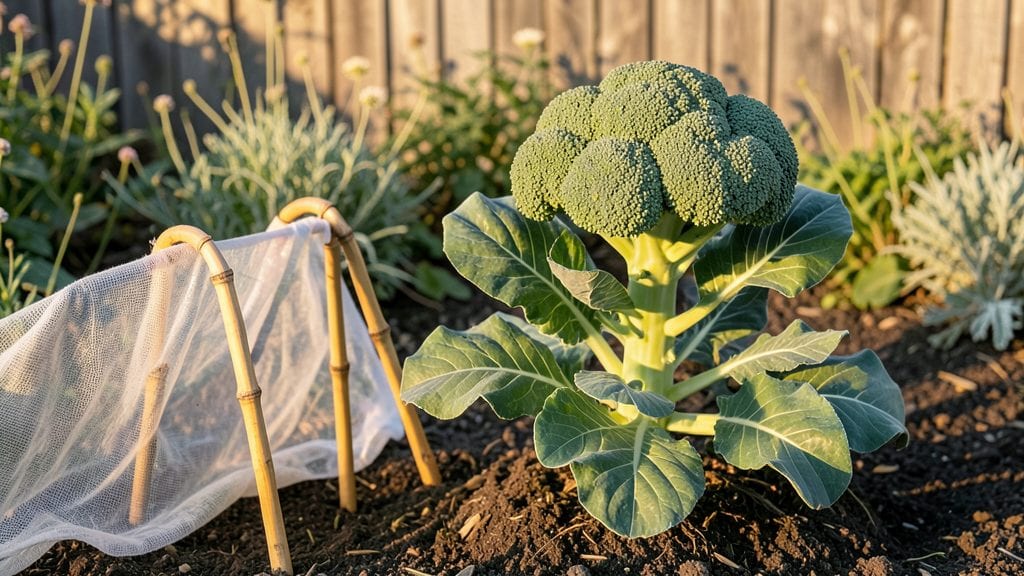
Frost cloth can touch plants safely for most varieties, but delicate stems or leaves may bruise. Avoid direct contact with succulents, cacti, or tender seedlings. Secure cloth loosely to prevent damage while allowing airflow and protection from frost.
Frost cloth is designed to protect plants from cold temperatures, but its physical contact can vary in safety depending on the plant type. 🌱 For hardy plants like tomatoes or peppers, gentle contact is usually fine since their thicker leaves and stems can handle the weight.
However, plants with thin or fuzzy foliage—such as ferns or orchids—often need extra spacing to avoid crushing or blocking sunlight. The key is balancing protection with airflow; a snug but loose fit ensures moisture doesn't build up, which could lead to mold or rot.
If you're unsure about a specific plant, start by draping the cloth lightly and monitoring for any signs of stress, like discoloration or wilting. For delicate varieties, consider using stakes or hoops to keep the fabric elevated. This way, you get frost protection without risking damage to your plants.
💡 In This Article
- How Frost Cloth Affects Plant Health and Growth
- Plant-Specific Frost Cloth Safety Guidelines
How frost cloth affects plant health and growth
The science behind frost cloth's interaction with plants revolves around three key factors: UV light transmission, airflow restriction, and moisture condensation. Frost cloth typically blocks 50-70% of UV radiation, which reduces photosynthesis efficiency by 10-20% in broadleaf plants like tomatoes or peppers.
This isn't catastrophic for short-term use, but prolonged exposure can weaken plants by limiting their energy production. The fabric's weave also creates microclimates that trap 5-10°F more heat than open air, which can stress heat-sensitive varieties like basil or lettuce.
Airflow becomes critical when cloth touches plant surfaces. Needle-like plants (e.g., pine trees or lavender) handle contact better than broadleaf varieties because their rigid structures resist crushing. However, even these can suffer if airflow is completely blocked, leading to 2-3x higher humidity inside the cloth.
This moisture buildup creates ideal conditions for fungal spores, which can cause powdery mildew within 3-5 days of continuous coverage. The worst offenders are plants with fuzzy leaves (like strawberries) or thin stems (like snapdragons), where trapped moisture accelerates rot.
Photosynthesis takes a backseat when respiration is stressed. Plants rely on a balance between CO₂ intake and O₂ output, but frost cloth can disrupt this equilibrium.
For example, a 12-inch-tall tomato plant covered tightly might see its respiration rate increase by 15% due to elevated temperatures, while photosynthesis drops by 12% from reduced light. This mismatch forces the plant to burn stored energy (carbohydrates) just to survive, which weakens stems and delays fruiting.
The effect is most noticeable in young seedlings, where even brief contact can stunt growth by 20-30%.
Long-term risks include physical damage from abrasion and chemical changes. The plastic fibers in frost cloth can scratch delicate leaves (like those of hostas) over time, creating entry points for pathogens.
Additionally, the cloth's natural oils may leach onto plant surfaces, leaving a thin residue that blocks stomata—the tiny pores plants use for gas exchange. This residue is harmless in small amounts but can accumulate during extended use, reducing transpiration by up to 25% in sensitive species like impatiens.
Seasonal variations also play a role. In early spring or late fall, when temperatures hover around 32-35°F, frost cloth's protective benefits often outweigh minor risks. But during mild winters (e.g., 40°F nights in Zone 8), the cloth's insulating properties can actually harm heat-sensitive plants by trapping too much warmth.
This is why gardeners in warmer climates use frost cloth sparingly—sometimes just to shield against 28°F dips rather than prolonged cold snaps.
Here's what most gardeners overlook: the textural contrast between plants matters. Succulents and cacti have waxy, thick cuticles that repel moisture, making them more tolerant of contact.
In contrast, plants with velvety leaves (like lamb's ear) absorb moisture like a sponge, leading to rapid rot if the cloth sits too long. The solution? Use T-pins or clothespins to create 1-2 inch gaps between the fabric and foliage, ensuring airflow without sacrificing protection.