
Pruning
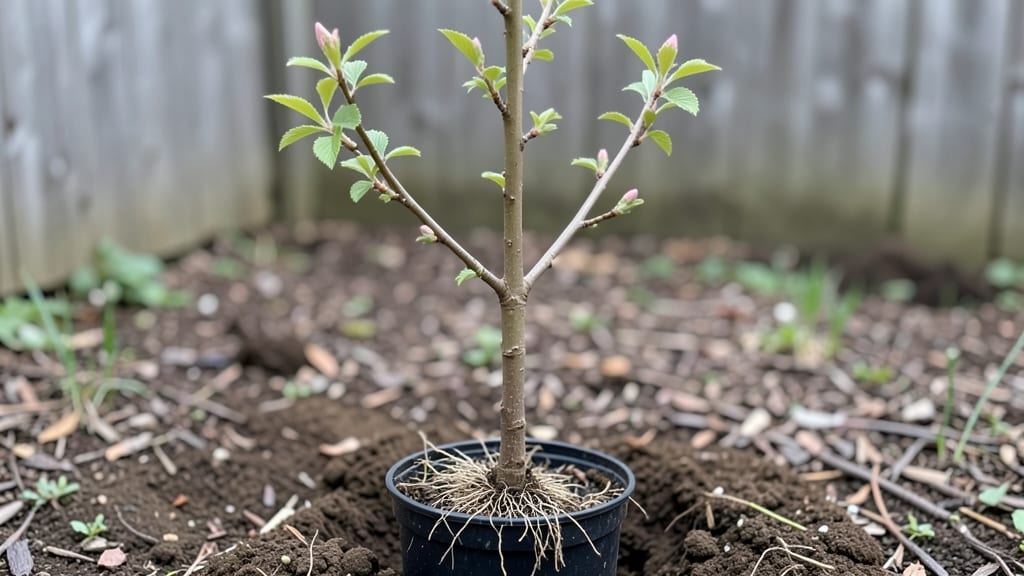
Planting a sakura tree in early spring unlocks the secret to spectacular blooms every season. 🌸 I’ve learned that timing—right after the last frost when roots wake up but flowers haven’t burst yet—makes all the difference.
The first time I planted mine in late March, I noticed how the roots spread eagerly into the loosened soil, setting up a strong foundation for years of pink cascades.
You’ll need a spot with full sun (at least 6 hours daily) and well-draining soil—sakuras hate soggy feet. Most varieties thrive in zones 5-8, but check your local climate: some need winter protection in colder areas.
The hole should be twice as wide as the root ball but only as deep, with a 2-inch layer of compost mixed into the native soil to give those delicate roots a nutrient boost.
After planting, water deeply once a week for the first month, then taper to every 10-14 days unless it’s scorching hot. Mulch around the base (but keep it 3 inches away from the trunk) to lock in moisture and keep weeds at bay.
The payoff? Within three years, you’ll see those iconic blossoms return with more intensity each spring, and the tree will grow into a graceful, shade-providing centerpiece.
Here’s the thing—sakuras reward patience. If you rush the planting season or skip the soil prep, you’ll end up with a stressed tree that struggles to bloom. But get these basics right, and you’ll have a low-maintenance star in your landscape for decades.
Let’s get those roots settled in the right way from day one.
📚 In This Guide
- What you need
- Instructions
- Tips and common mistakes
- Wrapping up and next steps
What you need
- ● Pruning shears – Bypass pruners (sharp, clean, and disinfected with rubbing alcohol).
- ● Loppers – For thicker branches (1.5"–2" diameter).
- ● Hand saw – Pruning saw for larger branches (3"+ diameter).
- ● Gloves – Heavy-duty gardening gloves (cut-resistant for safety).
- ● Disinfectant – 1 part bleach to 9 parts water (to sterilize tools between cuts).
- ○ Pruning sealant – Optional but helpful for large cuts (e.g., Tanglefoot Tree Wound Pruning Seal).
- ● Ladder or step stool – For reaching higher branches safely.
- ● Trash bags – For collecting pruned branches.
- ● Sharpener – File or whetstone to keep blades razor-sharp.
- ● Marking spray – Non-toxic paint to mark branches for removal.
- ● Extension pole – For high branches (if you don’t want a ladder).
- ● Compost bin – To recycle pruned branches into nutrient-rich soil.
- ● Knowledge of sakura tree anatomy – Familiarize yourself with main branches, suckers, and deadwood.
- ● Weather check – Prune on a dry, cloudy day (avoid extreme heat/cold).
- ● Safety first! – Wear closed-toe shoes and avoid working alone.
Seasonal trimming guide for year-round sakura tree blooms
Here's how I keep my sakura trees thriving and blooming beautifully—season after season.
🌿 Step 1: Plant Your Sakura Tree at the Right Time
Fall is the best time to plant a sakura tree. Choose a location with full sun exposure and well-draining soil. Dig a hole twice as wide and just as deep as the root ball. Place the tree in the hole, ensuring the top of the root ball sits 1-2 inches above ground level—this prevents waterlogging.
Backfill with the native soil, tamping gently to remove air pockets. Water deeply to settle the soil around the roots. Mulch with 2-3 inches of organic mulch (like wood chips), keeping it 6 inches away from the trunk to prevent rot. This setup gives your sakura the best start for strong root development before winter.
✂️ Step 2: Prune for Structure in Late Winter
Prune your sakura tree in late winter or early spring, just before new growth begins. Remove any dead, diseased, or crossing branches first—these are easy to spot as they stand out from the healthy wood. Use clean, sharp pruning shears to make cuts at a 45-degree angle, about ¼ inch above a bud or branch collar.
Thin out crowded branches to improve airflow and light penetration. Aim to open the tree’s canopy so sunlight reaches the center. I never remove more than 25% of the tree’s foliage in one season—this keeps the tree healthy and encourages strong blooms. After pruning, water deeply to help the tree recover.
☀️ Step 3: Encourage Blooms with Spring Maintenance
Once your sakura tree starts showing signs of new growth in spring, focus on keeping it healthy for blooming season. Fertilize lightly with a balanced, slow-release fertilizer in early spring, following the package instructions. This gives the tree the nutrients it needs without overwhelming it.
Watch for signs of stress, like yellowing leaves or stunted growth. These often signal overwatering or nutrient deficiencies. Water deeply once a week if there’s been no rain, ensuring the soil is moist but not soggy. Sakura trees are drought-tolerant once established, but consistent moisture during their first few years helps them grow strong.
🌸 Step 4: Light Pruning After Blooming Season
After the sakura flowers fade, do a light pruning to shape the tree and remove any dead blooms. This encourages new growth and keeps the tree looking tidy. Cut back any branches that are rubbing against each other or growing inward—they compete for sunlight and nutrients, weakening the tree.
I also remove any suckers or water sprouts that pop up at the base of the tree. These drain energy from the main trunk and branches. Prune these back to the ground, but avoid over-pruning. The goal here is to maintain the tree’s natural shape while keeping it healthy for next year’s blooms.
⏰ Step 5: Prepare for Winter Dormancy
As fall approaches, reduce watering gradually to prepare the tree for winter. Stop fertilizing by late summer to allow the tree to harden off naturally. Mulch around the base of the tree with an additional 2-3 inches of organic mulch, extending it out to the drip line if possible.
This extra layer insulates the roots and protects them from freezing temperatures. Avoid heavy pruning in fall—wait until late winter to give the tree time to recover before the growing season. With proper winter care, your sakura will wake up strong and ready to bloom again in spring.
Tips & tricks for perfect sakura tree planting
Here's what I've learned after years of keeping my sakura trees blooming beautifully—these small details make all the difference.
Planting Depth Matters: When placing your sakura tree in Step 1, that 1-2 inches above ground level is crucial. I've seen new gardeners bury the root ball too deeply, which can cause waterlogging and root rot. The top of the root ball should sit just above the surrounding soil—this prevents suffocation while keeping the tree stable. After planting, press the soil gently around the roots to eliminate air pockets, which helps roots establish contact with the soil.
Pruning Precision in Late Winter: In Step 2, when you're pruning for structure, those 45-degree angle cuts about ¼ inch above the bud or branch collar aren't just technicalities—they're what prevents wounds from healing improperly. I always sterilize my pruning shears with rubbing alcohol between cuts to prevent spreading disease. For stubborn branches, I make the cut in three stages: first undercutting, then top-cutting, and finally removing the stub. This technique reduces tearing and helps the tree heal faster.
Spring Fertilizing Strategy: The balanced, slow-release fertilizer in Step 3 should be applied when you see those first tender leaves appear—this is your tree's signal it's ready for growth. I've found that over-fertilizing in early spring can actually stress young sakura trees. Start with half the recommended dose and monitor your tree's response. If leaves turn yellow between veins, that's a sign of over-fertilization, and you should reduce the amount next time.
Mulching with Purpose: That 2-3 inches of organic mulch in Steps 1 and 5 isn't just decoration—it's insulation. In winter, mulch acts like a blanket for your tree's roots, protecting them from freezing temperatures. In summer, it keeps the soil cool and retains moisture. The key is to keep it 6 inches away from the trunk to prevent rot. I always use wood chips because they break down slowly and improve soil structure over time. For newly planted trees, I add an extra inch of mulch during the first winter to give them that extra protection.
Pro Tips for Sakura Tree Planting
- Here's what I've learned after years of keeping my sakura trees blooming beautifully—these small details make all the difference.
- Planting Depth Matters: When placing your sakura tree in Step 1, that 1-2 inches above ground level is crucial.
- I always sterilize my pruning shears with rubbing alcohol between cuts to prevent spreading disease.
Frequently asked questions
Got questions about planting and caring for your sakura tree? Here are some of the most common queries—plus expert answers to keep your tree thriving and blooming beautifully!
When is the best time to plant a sakura tree?
The ideal time to plant a sakura tree is in early spring (March–April) or late fall (October–November). This gives the roots time to establish before extreme heat or cold. Avoid planting in summer or winter, as harsh conditions can stress young trees.
Can I plant a sakura tree in winter?
While sakura trees can technically be planted in winter, it’s not recommended unless you live in a mild climate. Cold temperatures and frozen ground make root establishment difficult. If you must plant in winter, choose a dormant, bare-root sapling and protect it with mulch and frost cloth.
What’s the best location for a sakura tree?
Sakura trees thrive in full sun (6+ hours daily) and well-draining soil. Avoid low-lying areas where water pools, as they’re prone to root rot. A slightly elevated spot with acidic to neutral soil (pH 5.0–7.0) is perfect. For urban areas, ensure it has 50+ feet of space to mature.
How do I keep my sakura tree healthy after planting?
After planting, water deeply 2–3 times per week (more in summer) and apply 2–3 inches of mulch to retain moisture. Fertilize lightly in spring with a balanced, slow-release fertilizer. Prune dead or crossing branches in late winter to encourage strong growth and blooms.
What if my sakura tree isn’t blooming?
Lack of blooms often stems from poor pruning, insufficient sunlight, or young age (sakura trees may take 3–5 years to flower). Ensure it gets full sun, prune correctly in late winter, and avoid heavy fertilizing. If the tree is mature but still not blooming, check for pests or disease and consult a local arborist.
Are there alternatives to traditional sakura trees?
Yes! If you love sakura blooms but need a smaller tree, consider dwarf varieties like ‘Spring Snow’ or ‘Royal Celebration’. For faster growth, try weeping sakura (Prunus pendula). If your climate is too hot or cold, cherry blossom hybrids (e.g., ‘Kanzan’ or ‘Shirotae’) are hardier options.
Wrapping up and next steps
Planting a sakura tree is a beautiful way to bring seasonal charm and natural beauty to your space.
By following the right techniques—like choosing the perfect location, preparing the soil, and mastering seasonal trimming—you’ll enjoy stunning blooms year after year. Your effort will pay off in vibrant pink or white blossoms that create a serene, picturesque atmosphere!
Ready to take the next step? Start by marking your calendar for the ideal planting season (early spring or fall) and gather your tools. Whether you’re a gardening pro or a beginner, every sakura tree begins with a single seedling—so get planting and watch your garden transform! 🌸