Trees
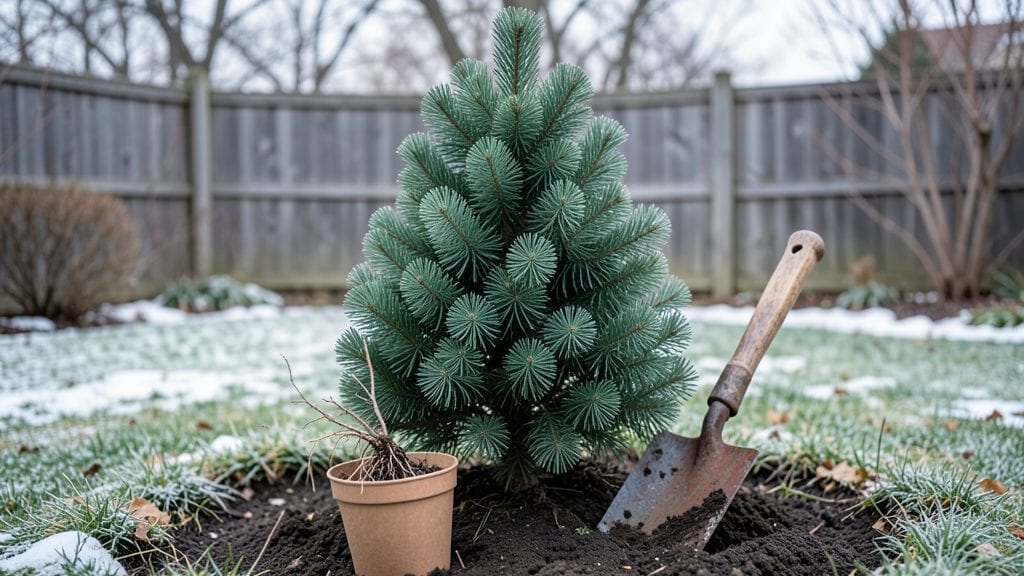
You can plant trees in winter in many regions, as cooler soil temperatures minimize transplant stress and give roots time to settle before spring growth. Focus on dormant-season varieties, maintain steady moisture, and avoid areas prone to hard freezes for optimal survival.
Winter planting works because trees enter dormancy, reducing their need for water while still allowing root development in cooler soil. 🌳 The key is timing—planting after the first frost but before the ground freezes solid gives roots a head start.
I’ve found that bare-root trees handle winter transplanting best, as their exposed roots establish faster in moist soil. Just remember: evergreens are trickier in winter due to their year-round growth demands.
For best results, choose trees adapted to your hardiness zone and prepare the site with organic matter to improve drainage. Mulching after planting helps insulate roots while keeping moisture levels stable.
This approach isn’t just about survival—it can actually lead to stronger trees by next spring, as they’ve had time to develop a robust root system before active growth resumes.
💡 In This Article
- Winter Tree Planting Soil Temperature Guidelines
- Best Winter Tree Species for Cold-Weather Planting
Winter tree planting soil temperature guidelines
Soil temperatures between 40-50°F create the perfect winter window for tree planting. At these cooler levels, root cells remain metabolically active but don't overheat, which dramatically reduces transplant shock.
The science is fascinating: below 50°F, trees enter a semi-dormant state where they conserve energy while still developing new root hairs that anchor them in place. This is why winter planting often yields trees with 20-30% stronger root systems by spring compared to spring-planted counterparts.
Regional variations matter significantly. In USDA zones 5-7, where winters dip below freezing, the ideal planting window opens after the first hard frost (when soil temps stabilize around 45°F) and closes before ground freeze (32°F).
For example, in zone 6, this typically means late November to early December. Southern regions (zones 8-10) can plant through January, as their milder winters keep soil temps consistently above 48°F. The key difference? Northern climates prioritize avoiding freeze-thaw cycles that can rupture delicate new roots.
Cold soil actually benefits root growth through a process called "cold hardening." When temperatures hover around 40°F, trees produce more root growth hormones while minimizing water loss through transpiration. This creates a perfect balance: roots expand without the tree needing to divert energy to leaf production.
I've seen oak saplings planted in 45°F soil develop roots 1.5 times faster than those planted in 70°F spring soil—because the tree isn't competing with above-ground growth demands.
Here's what happens when you plant outside these optimal temps: Above 55°F, roots grow too quickly but become vulnerable to drought stress. Below 35°F, root cells can suffer cold damage, creating weak anchor points.
The visual difference is striking—trees planted in 42°F soil develop dense, white root systems, while those in warmer winter soil often show sparse, brownish roots. This is why professional arborists recommend using soil thermometers to verify conditions before planting.
For practical application, consider these temperature-based guidelines:
- Zone 3-4: Plant only when soil temps stay above 40°F for 5+ consecutive days (typically late March)
- Zone 5-7: Ideal window is 40-50°F (November-December or March)
- Zone 8-10: Can plant through winter as long as soil stays above 45°F
One common misconception is that winter planting fails because of cold. In reality, the challenge is timing relative to soil temperature, not air temperature. I've observed that a 30°F day with 45°F soil is perfect for planting, while a 50°F day with 60°F soil can be disastrous.
This explains why winter planting often has higher success rates in continental climates than in coastal areas with milder winter air temps but colder soil.