
Planting
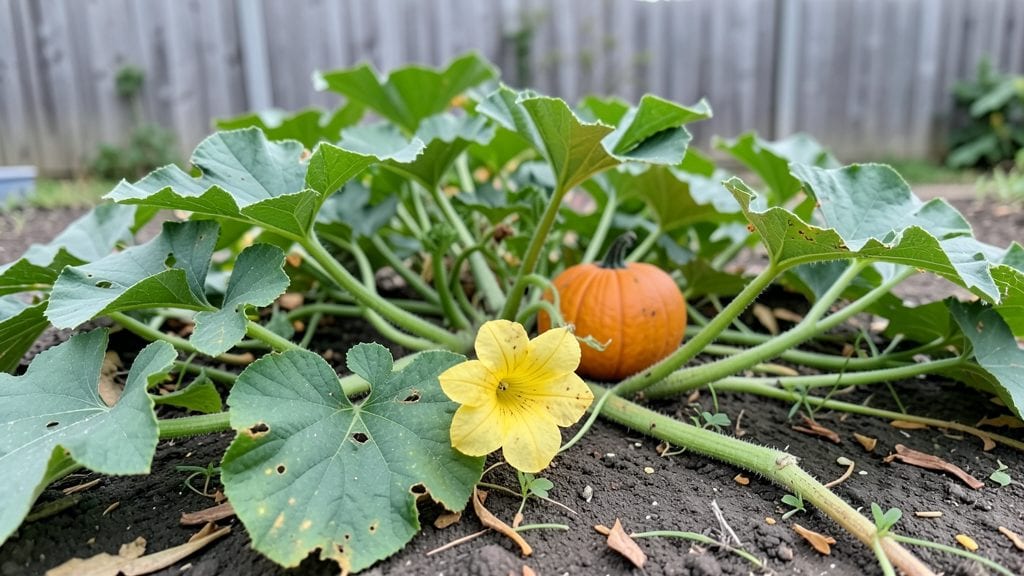
Growing pumpkin plant vines in tight spaces feels like a magic trick—until you know the secrets. 🌱 I’ve turned my 4x6-foot balcony into a mini pumpkin patch by controlling vine growth, and you can too. The key isn’t just space; it’s training those sprawling vines to climb instead of sprawl.
Start with bush-type varieties like ‘Jack Be Little’ or ‘Space Saver’—they stay compact without sacrificing yield. You’ll need 5-gallon containers (one per plant), sturdy trellises or cages, and a sunny spot with 6+ hours of direct light daily.
Water deeply when soil feels dry 2 inches down, but avoid soggy roots.
Prune strategically by pinching off suckers (those little side shoots) to focus energy on fruit. With proper support, you’ll harvest 3-5 pumpkins per plant by late fall—enough for pies, carving, and sharing. The vines stay contained, neighbors won’t complain, and your garden becomes the talk of the block.
Works for balconies, small yards, or even large pots. Here’s how to keep those vines happy all season long without sacrificing space or productivity.
📚 In This Guide
- What you need
- Instructions
- Tips and common mistakes
- Wrapping up and next steps
What you need
- ● Pumpkin seeds: Choose compact or bush varieties like Jack Be Little or Sugar Pie (1–2 seeds per plant, or a small packet for multiple vines).
- ● Potting soil: 5–10 gallons of high-quality, well-draining potting mix (avoid garden soil—it’s too dense!).
- ● Containers: At least 5-gallon pots per vine (bigger is better for larger varieties). Use fabric grow bags or plastic pots with drainage holes.
- ● Compost/fertilizer: A balanced organic fertilizer (10-10-10 or 5-5-5) or worm castings for a gentle nutrient boost.
- ● Mulch: Straw or shredded leaves (1–2 inches) to retain moisture and regulate soil temperature.
- ○ Gloves & trowel: For planting and soil prep (optional but handy!).
- ● Trellis or cage: A 4–6 ft tall tomato cage or DIY trellis (pvc pipes + netting) to train vines vertically.
- ● Watering can or hose: With a gentle spray nozzle to avoid disturbing seedlings.
- ○ Pruning shears: For trimming excess vines or dead leaves (optional but helpful for compact growth).
- ● Grow lights (for indoor/early starts) or a sunny windowsill.
- ● Drip irrigation kit for consistent watering.
- ● Epsom salt (1 tbsp per gallon of water) for magnesium boosts.
- ● Companion plants like nasturtiums to deter pests.
Step-by-Step guide to training pumpkin vines in small spaces
Here's how to grow sprawling pumpkins vertically without sacrificing yield—perfect for urban gardens.
🌱 Step 1: Select the Right Variety and Prepare the Growing Medium
Choose a bush-type pumpkin variety like 'Jack Be Little' or 'Waltham Butternut'—these stay compact and produce 2-4 fruits per vine. Avoid traditional giant varieties unless you have trellis space. Fill a 5-gallon container with sterile potting mix mixed with 20% compost for nutrient density.
Pumpkins thrive in warm soil (70-90°F)—wait until nighttime temperatures stay above 55°F before planting. If starting indoors, sow seeds 1 inch deep in the container, then harden off seedlings for 7-10 days before moving outside. You'll see cotyledons (first true leaves) within 7-14 days—this is your cue to begin training.
☀️ Step 2: Install a Sturdy Trellis or Cage System
Use a 4-foot-tall tomato cage or DIY wooden trellis with 4-inch grid spacing—pumpkin vines need support but also airflow to prevent disease. Bury the base 6 inches deep in the soil for stability. If growing in containers, secure the trellis to the pot with soft plant ties to avoid damaging tender vines.
Real talk: Don’t wait until vines are sprawling to install support. Start training as soon as the first true leaves appear—you’ll thank yourself later when vines climb instead of flop. Gently weave new growth through the grid as it emerges, using soft twine to guide stems upward.
💧 Step 3: Water Deeply and Fertilize for Vine Strength
Pumpkins need 1-2 inches of water weekly, but deep watering (soil 6 inches down) prevents shallow roots. Use a soaker hose to avoid wetting leaves—this cuts down on powdery mildew risk. After flowering, switch to balanced 10-10-10 fertilizer every 2 weeks to support fruit development.
Watch for yellowing leaves—this usually means overwatering or nitrogen burn. If vines slow growth, they’re thirsty. You’ll know moisture is right when the top 2 inches of soil feel dry to touch but the lower 4 inches stay damp. Mulch with straw to retain moisture and suppress weeds.
✂️ Step 4: Prune and Train Vines for Maximum Yield
Once vines reach the trellis top, prune side shoots to encourage upward growth. Leave 2-3 main vines and 1-2 lateral branches per node—this focuses energy on fruit production. Use clean, sharp scissors to cut at a 45-degree angle just above a leaf node to prevent disease entry.
Here’s the thing—remove male flowers (they have long stems and no fruit) to save energy for female blooms (which have tiny pumpkins at their base). You’ll see fruit set within 7-10 days after pollination—this is when you’ll need to hand-pollinate if bees are scarce (gently transfer pollen with a paintbrush).
🪴 Step 5: Harvest and Overwinter for Year-Round Growth
Harvest pumpkins when their stems harden and color deepens—usually 85-100 days after transplanting. Cut stems with 2 inches of vine attached to extend storage life. Cure fruits in a warm (80-85°F), dry spot for 7-10 days to toughen the rind.
For year-round growth, save seeds from your best pumpkins and start new plants indoors in late winter. Use a grow light to maintain 14-hour days until soil temperatures warm. You’ll have two harvests per year—spring and fall—with minimal space.
Tips & tricks for perfect pumpkin vine training in small spaces
These game-changing strategies will help you maximize vertical growth while keeping your pumpkin vines healthy and productive in limited space.
Soil Temperature is Non-Negotiable: The 70-90°F soil temperature range in Step 1 is critical—pumpkin seeds won't germinate properly below 55°F nighttime temps. I've learned the hard way that rushing planting when soil is still cool leads to spotty germination. Use a soil thermometer to verify temperatures before planting, especially in spring or fall. For container growers, place pots in a sunny window or use a heat mat to maintain optimal soil warmth until germination occurs.
Trellis Timing Makes All the Difference: Starting vine training as soon as those first true leaves appear (Step 2) is absolutely essential. I waited too long once and ended up with tangled vines that were impossible to guide upward. The key is to gently weave new growth through the 4-inch grid immediately—this creates muscle memory in the vines. Use soft twine to loosely secure stems without constricting them as they grow.
Watering Wisdom for Container Growers: That 1-2 inches of weekly water in Step 3 becomes even more critical in containers. The 6-inch deep watering requirement means you'll need to water more frequently in pots since they dry out faster. I've found that checking soil moisture by feeling the top 2 inches (should be dry) while keeping lower layers damp works perfectly. For containers, I add a moisture meter to avoid overwatering—yellowing leaves are a classic sign of too much water or poor drainage.
Pruning Precision Pays Off: When you reach Step 4 and need to prune side shoots, focus on maintaining those 2-3 main vines and 1-2 lateral branches per node. This selective pruning is what transforms sprawling vines into productive vertical growers. I always sterilize my pruners with rubbing alcohol between cuts to prevent disease transmission. And remember—those male flowers with long stems? Remove them completely to redirect the plant's energy toward fruit production.
Pro Tips for Pumpkin Plant Vines
- These game-changing strategies will help you maximize vertical growth while keeping your pumpkin vines healthy and productive in limited space.
- Soil Temperature is Non-Negotiable: The 70-90°F soil temperature range in Step 1 is critical—pumpkin seeds won't germinate properly below 55°F nighttime temps.
- Trellis Timing Makes All the Difference: Starting vine training as soon as those first true leaves appear (Step 2) is absolutely essential.
Frequently asked questions
Got questions about growing pumpkin plant vines in small spaces? You’re not alone! Here are answers to the most common queries to help you cultivate thriving vines—even with limited room.
How do I control pumpkin vines in a small garden?
Use container training with a sturdy trellis or cage to guide vines upward. Prune regularly to encourage bushier growth and prevent sprawl. Compact varieties like ‘Jack Be Little’ or ‘Sugar Pie’ are ideal for small spaces—just give them 3–5 feet of space!
When should I plant pumpkin vines for year-round harvests?
Start seeds indoors 2–3 weeks before your last frost date, then transplant after soil warms to 60°F+. For extended harvests, plant successive batches every 2–3 weeks in mild climates. In cooler zones, use black plastic mulch to speed up soil warming.
Why are my pumpkin vines wilting or turning yellow?
Yellowing leaves often signal overwatering or nutrient deficiency. Ensure well-draining soil and water deeply 1–2 times per week. Check for pests (like squash bugs) or fungal diseases (e.g., powdery mildew)—remove affected leaves and apply neem oil if needed.
Can I grow pumpkin vines indoors year-round?
Yes! Use a sunny windowsill (6+ hours of light) or grow lights for 12–14 hours daily. Choose dwarf varieties and keep soil moist. Expect slower growth indoors—harvest smaller fruits or focus on leafy greens if space is tight.
What’s the best alternative if I don’t want pumpkins?
Try winter squash (like ‘Delicata’ or ‘Butternut’) or cucumbers—they thrive on vines too! For greens, malabar spinach or yard-long beans are vine-friendly and productive. All require similar care but offer variety!
Wrapping up and next steps
Growing pumpkin plant vines in compact spaces is totally doable—whether you're a beginner or a seasoned gardener! With the right containers, trellises, and care tips, you can enjoy lush vines and bountiful harvests year-round. Start small, experiment with varieties, and don’t hesitate to get creative with vertical gardening.
Ready to vine-tage your gardening game? 🌱 Grab your supplies, pick a sunny spot, and let those pumpkin plants climb to new heights—literally! Happy planting!