
Neem Oil
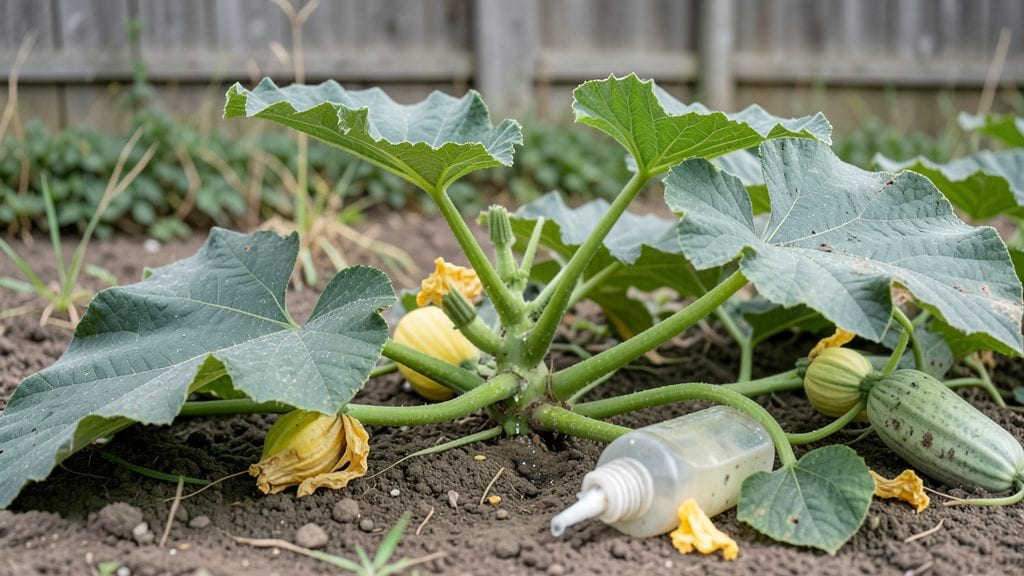
Neem oil on squash plants is the secret weapon I reach for when aphids turn my zucchini leaves into sticky messes or powdery mildew clouds over my vines. 🌿 The first time I saw my squash plants bounce back after a single application, I knew this was the organic solution I’d been missing.
It’s not just about spraying—it’s about timing, concentration, and knowing which pests actually fear it.
This isn’t some wishful thinking—neem oil works fast for squash bugs, spider mites, and fungal spores, but it’s not magic. You’ll need 1 teaspoon per quart of water, a spray bottle, and patience for 24 hours to see results.
The key is applying it early in the morning when bees aren’t active, so you don’t harm pollinators. And here’s the thing: it’s best used as a preventive spray every 2 weeks during peak pest season.
What you’ll get is squash plants that stay vibrant green, free of webbing or white powder, and producing fruit without the constant battle. The leaves stay crisp, the vines grow strong, and you can finally enjoy that first harvest without worrying about pests stealing the show.
Just don’t expect it to work on every garden problem—some pests, like cucumber beetles, need a different approach.
For extra protection, pair it with row covers or companion plants like nasturtiums, which distract pests away from your squash. And if you’re growing in containers, a light spray every 7 days keeps those fungal spores from gaining a foothold.
Trust me, once you’ve seen the difference, you’ll never reach for chemical sprays again.
Common Causes Of Squash Plant Stress
Neem oil is a powerful ally for squash plants, but sometimes it can cause unintended stress or damage—especially if misapplied. Understanding the root causes behind these issues helps you avoid them and keep your plants thriving.
Let’s break down the most common reasons why neem oil might trigger problems in your squash garden.
Neem oil is potent, and too much can overwhelm your squash plants. The active compounds in neem—like azadirachtin and nimbin—are effective at disrupting insect life cycles, but they can also harm plant tissues when used in excessive amounts.
- Why it happens: Squash plants have delicate foliage, and concentrated neem oil (especially 100% cold-pressed neem oil) can clog stomata (tiny pores on leaves) or disrupt cellular respiration if applied too heavily. - Actionable fix: Always dilute neem oil to 1–2% concentration (1–2 tbsp per gallon of water).
For squash, a 1% solution is usually safe. Test a small leaf first to check for sensitivity.
Neem oil works best when applied at dusk or dawn to avoid harming beneficial pollinators (like bees) and to prevent UV degradation. But timing also affects how your squash plants absorb it.
- Why it happens: Applying neem oil during hot, sunny days can cause the oil to dry too quickly, leaving a sticky residue that blocks sunlight and traps heat—leading to leaf burn or wilting. - Actionable fix: Stick to early morning or late evening applications.
Avoid spraying when temperatures exceed 85°F (29°C).
Neem oil is often mixed with other garden solutions, but some combinations can neutralize its effectiveness—or worse, harm your plants.
- Why it happens:
- Mixing with synthetic pesticides (like neonicotinoids) can create toxic reactions.
- Adding harsh detergents or soaps can strip the natural oils from leaves, making them vulnerable to pests.
- Using hard water (high in minerals) can cause neem oil to clump, reducing coverage.
- Actionable fix:
- Only mix neem oil with organic, plant-safe additives (like mild castile soap or horticultural oil).
- Use filtered or rainwater for mixing to avoid mineral buildup.
Not all squash varieties react the same way to neem oil. If your plants are already stressed (from drought, disease, or poor soil), they’re more likely to show signs of distress.
- Why it happens:
- Young or tender squash seedlings may not have the resilience to handle neem oil.
- Plants with fungal infections (like powdery mildew) can react poorly if neem is applied too soon—fungicides often need a different approach.
- Actionable fix:
- Start with half-strength neem oil on new plants.
- Wait until plants are fully hardened off (about 2–3 weeks after transplanting) before full-strength applications.
- If plants show signs of yellowing or spotting, flush them with water and reduce future applications.
Neem oil’s effectiveness—and potential risks—can shift based on weather conditions. If applied under the wrong circumstances, it may drift, wash off, or even encourage secondary issues.
- Why it happens:
- Windy conditions can cause neem oil to drift onto non-target plants or beneficial insects.
- High humidity can promote bacterial or fungal growth if the oil residue stays too long on leaves.
- Rain within 24 hours of application can wash away the protective layer, leaving plants vulnerable.
- Actionable fix:
- Apply neem oil on calm days with little to no wind.
- Avoid spraying if rain is forecasted within 24–48 hours.
- For extra protection, reapply every 7–10 days in humid climates.
Not all neem oils are created equal. Poor-quality or degraded neem oil can lose its efficacy—or worse, introduce harmful byproducts.
- Why it happens:
- Old or rancid neem oil breaks down into compounds that may irritate plant tissues.
- Cheap, refined neem oils lack the natural azadirachtin levels needed for pest control.
- Actionable fix:
- Buy cold-pressed, organic neem oil from reputable brands.
- Store neem oil in a cool, dark place and use it within 6–12 months of purchase.
Neem oil is a game-changer for squash gardens when used correctly. By avoiding these common pitfalls—proper dilution, smart timing, compatible mixes, and attentive plant care—you’ll maximize its benefits while keeping your squash plants happy and pest-free. 🌱🛡️
Quick Fixes for Squash Plant Pests
Neem oil is your secret weapon against squash plant pests, but sometimes you need a little extra help to turn things around fast. Below, we’ve mapped out practical, step-by-step solutions for common squash plant issues—whether it’s squash bugs, cucumber beetles, powdery mildew, or aphids—using neem oil and other organic methods.
Plus, we’ll share prevention tips to keep your plants thriving long-term.
Cause: These pests suck sap, weaken vines, and spread disease. Fix:
- 🔥 Spray Neem Oil Early & Often
- Mix 1 tsp neem oil + 1 tsp mild soap (like Castile) per quart of water.
- Spray under leaves (where bugs hide) in the early morning or evening (avoid midday sun).
- Reapply every 5–7 days or after rain.
- 👨🍳 Handpick & Drown Them
- Check leaves daily for flat, brown squash bugs or yellow-striped cucumber beetles.
- Drop them into soapy water (they’ll drown instantly).
- 🥘 Trap Crops & Row Covers
- Plant nasturtiums nearby to distract pests.
- Use floating row covers (lightweight fabric) to block beetles while allowing pollination.
💡 Prevention Tip:
- Rotate crops yearly to break pest cycles.
- Interplant with basil or marigolds—their scents repel bugs naturally.
Cause: White, powdery patches on leaves = fungal infection (often from humidity). Fix:
- 🍳 Neem Oil Fungicide Spray
- Mix 1 tbsp neem oil + 1 tsp baking soda + 1 drop dish soap per gallon of water.
- Spray until leaves glisten (focus on undersides).
- Apply every 7–10 days or after rain.
- ⏰ Improve Airflow
- Prune crowded vines to let air circulate.
- Water at the base (never overhead) to keep leaves dry.
- 🌡️ Adjust Humidity
- If growing in containers, move pots to a shadier spot on humid days.
- Morning watering helps leaves dry faster.
🔥 Pro Tip:
- Baking soda spray (1 tsp + 1 quart water + soap) works too—test on a small leaf first!
Cause: Tiny pests cluster on new growth, stunting plants. Fix:
- 🔪 Blast Them Off with Water
- Use a strong spray nozzle to knock them off leaves.
- Repeat 2–3 times a week for severe infestations.
- 🥘 Neem Oil + Insecticidal Soap Combo
- Mix 1 tsp neem oil + 1 tsp castile soap per quart of water.
- Spray directly on aphids (they’ll drop off within hours).
- 🎯 Introduce Beneficial Insects
- Ladybugs and lacewings eat aphids—buy them online or attract them with dill or fennel nearby.
✨ Prevention Tip:
- Sticky traps (yellow cards) near plants catch mites early.
- Reflective mulch (aluminum foil) confuses mites and reduces egg-laying.
Even with neem oil, healthy plants resist pests better. Follow these easy maintenance habits:
| Issue | Solution | Prevention |
|---|---|---|
| Wilting Leaves | Check for overwatering or root rot—let soil dry between waterings. | Use well-draining soil + drip irrigation. |
| Yellowing Leaves | Could be nutrient deficiency (especially nitrogen). Feed with compost tea. | Side-dress with compost every 4 weeks. |
| Poor Fruit Set | Hand-pollinate flowers with a small brush if bees are scarce. | Plant bee-friendly flowers nearby. |
Final Reminder: Neem oil works best when used preventively—spray every 7–14 days during pest season (spring to summer). For severe outbreaks, combine neem with physical removal (handpicking, row covers) and crop rotation to break the pest cycle.
Your squash plants will be thriving, pest-free, and ready for harvest in no time! 🎉
Frequently asked questions about using neem oil on squash plants
How often should I apply neem oil to squash plants?
For prevention, spray every 7–14 days during peak pest season (spring to summer). If treating an active infestation, apply every 5–7 days until pests disappear. Always spray in the early morning or evening to protect pollinators and avoid UV damage.
Will neem oil harm my squash plants if I use too much?
Yes, overuse can cause leaf burn or stunted growth. Stick to a 1% dilution (1 tbsp per gallon of water) and avoid spraying when temperatures exceed 85°F (29°C). Test a small leaf first to check for sensitivity.
Does neem oil work on all squash plant pests?
Neem oil is highly effective against aphids, spider mites, and squash bugs, but it’s less potent on cucumber beetles or hornworms. For tougher pests, combine it with handpicking or row covers. Pairing it with companion plants like nasturtiums also helps deter pests.
Can I mix neem oil with other sprays for squash plants?
Yes, but only with organic, plant-safe additives like mild castile soap or baking soda. Avoid synthetic pesticides or harsh detergents, as they can neutralize neem’s effectiveness or damage leaves. Always use filtered or rainwater for mixing.
Why did my squash plants look worse after using neem oil?
This often happens if applied during hot sun (causes leaf burn) or if the plants were already stressed (drought, disease, or poor soil). Always spray in the early morning or evening and ensure plants are hardened off before full-strength applications.