
Companion Plants
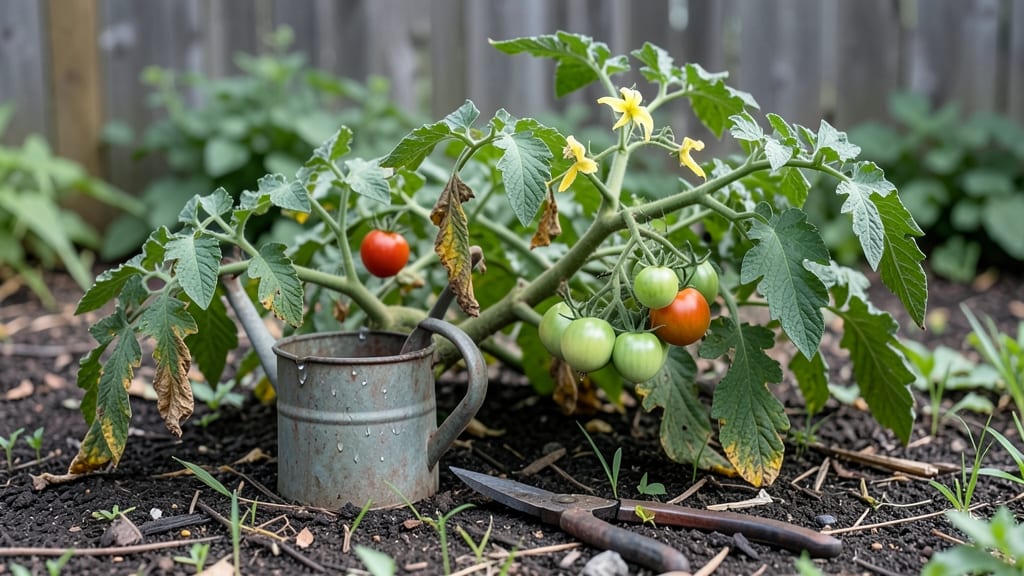
Common plant problems can feel like a mystery—until you learn the right companion plants to keep everything thriving. 🌱 I’ve spent years watching my garden transform from a battleground of wilting leaves and pests to a lush, self-sustaining ecosystem, and the secret lies in strategic pairings.
The right neighbors deter pests, improve soil, and even boost growth without chemicals.
Think of it like a support system: marigolds next to tomatoes repel nematodes, while basil near peppers confuses aphids. These aren’t just quick fixes—they’re long-term partnerships that reduce stress on your plants.
No more guessing why your roses keep getting black spot or your lettuce bolts prematurely. The solutions are simpler than you’d expect, and they start with the plants you already have.
You’ll walk away knowing exactly which companions to plant together for stronger roots, fewer pests, and healthier foliage. Imagine snipping fresh herbs without worrying about blight or watching your tomatoes ripen without a single blemish. That’s the power of smart companion planting—no more helplessly watching problems spread.
Works for any garden size, from containers to full beds, and adapts to common issues like yellowing leaves or fungal growth. Let’s get your plants the help they need—naturally.
Root Causes of Plant Struggles
Understanding why plants develop issues is the first step to fixing them—and companion planting can often be the solution. Let’s break down the most common why it happens scenarios, rooted in science, so you can diagnose and address the problem effectively.
Plants need water, but too much can suffocate their roots. When soil stays soggy for too long, it cuts off oxygen, leading to:
- Root rot (fungal infections like Phytophthora or Pythium)
- Yellowing leaves (chlorosis) due to nutrient uptake failure
- Stunted growth from anaerobic (oxygen-deprived) soil conditions
Why it happens:
- Compacted or clay-heavy soils hold excess moisture, preventing roots from breathing.
- Overzealous watering (especially without checking soil moisture) drowns roots.
- Lack of organic matter (like compost) reduces water retention and drainage balance.
Companion planting fix: Pair water-loving plants (e.g., lettuce) with deep-rooted drainage helpers like:
- Marigolds (break up soil with their fibrous roots)
- Comfrey (improves soil structure over time)
- Radishes (loosen compacted soil quickly)
Plants show distress when they’re starving—even in fertile soil.
Symptoms like purple stems (phosphorus deficiency), yellow leaves (nitrogen lack), or weak stems (calcium/magnesium issues) often mean: - Soil exhaustion from repeated planting without replenishment. - Imbalanced pH (e.g., acidic soil locks out nutrients like iron or manganese). - Competition for nutrients (some plants, like corn, are heavy feeders and deplete soil faster).
Why it happens:
- Monoculture gardening (planting the same crop repeatedly) depletes specific nutrients.
- Improper compost use (e.g., adding only nitrogen-rich materials like grass clippings without phosphorus/potassium).
- pH imbalances (e.g., blueberries need acidic soil (pH 4.5–5.5), while tomatoes thrive in slightly acidic to neutral (6.0–7.0)).
Companion planting fix: Use "three sisters" pairings or dynamic accumulators to restore balance:
- Beans/peas (fix nitrogen in the soil).
- Chives or garlic (repel pests and improve soil health).
- Dill or fennel (attract beneficial insects that aerate soil).
Insects and diseases don’t just attack weak plants—they’re often drawn by monoculture environments or lack of biodiversity. Common culprits:
- Aphids (suck sap, spread viruses).
- Whiteflies (thrive in warm, humid conditions).
- Fungal pathogens (like powdery mildew, which loves crowded, humid spaces).
Why it happens:
- Lack of predator insects (e.g., ladybugs, lacewings) due to pesticide use or low plant diversity.
- Plant stress (drought, nutrient deficiency) makes them more vulnerable.
- Poor airflow (tightly packed plants create humid microclimates perfect for fungi).
Companion planting fix: Use repellent or attractant pairings:
- Basil + tomatoes (repels thrips and whiteflies).
- Nasturtiums (trap aphids and deter squash bugs).
- Marigolds (emit limonene, a natural nematode repellent).
Fungi, bacteria, and viruses lurk in soil, waiting for the right conditions to strike. Symptoms include:
- Wilting despite moist soil (vascular diseases like Fusarium).
- Dark, mushy stems (bacterial soft rot).
- Powdery white coatings (powdery mildew).
Why it happens:
- Replanting the same family (e.g., tomatoes, peppers, eggplants) in the same spot yearly.
- Contaminated tools or compost spreading pathogens.
- Cool, wet springs (ideal for fungal spores to germinate).
Companion planting fix: Rotate crops and use soil sterilizers:
- Garlic or onions (suppress fungal growth).
- Cover crops like clover (outcompete pathogens).
- Avoid planting susceptible pairs (e.g., don’t mix strawberries with tomatoes—they share soilborne diseases).
Extreme heat, cold, or wind can shock plants into distress. Signs include:
- Scorched leaf edges (too much sun).
- Blackened leaves (sudden frost).
- Stunted growth (wind desiccation).
Why it happens:
- Microclimate mismatches (e.g., planting shade-loving ferns in full sun).
- Urban heat islands (concrete absorbs heat, raising soil temps).
- Lack of windbreaks (exposes delicate plants to drying winds).
Companion planting fix: Create protective pairings:
- Sun-loving plants (tomatoes) + shade-tolerant (lettuce) in partial shade.
- Tall plants (corn, sunflowers) as windbreaks for shorter crops.
- Mulch-heavy beds (retain moisture in hot climates).
Soil isn’t just about nutrients—it’s a delicate chemical ecosystem. Problems arise from:
- Salt buildup (from tap water or fertilizers).
- Alkaline soil (locks out iron, manganese).
- Toxic buildup (e.g., over-fertilizing with synthetic salts).
Why it happens:
- Hard water (high in calcium/magnesium) leaves salt crusts.
- Over-fertilizing (especially with synthetic nitrogen).
- Lack of organic matter (reduces soil’s ability to buffer pH).
Companion planting fix: Use soil conditioners:
- Comfrey tea (adds potassium and trace minerals).
- Wood ash (raises pH for acid-loving plants like blueberries).
- Green manures (like mustard) (break down salts naturally).
Pro Tip: 💡 Before diagnosing, check the soil’s moisture, pH, and texture—half the battle is proper prep! Use a DIY pH test kit or jar test (layer soil + water + vinegar/baking soda) to spot imbalances early.
Simple Fixes for Common Plant Struggles
Reviving your plants doesn’t have to feel like a mystery—most issues have straightforward fixes, and a few tweaks can prevent them from returning. Below, we’ve mapped the most common plant problems to practical solutions, along with prevention tips to keep your garden thriving.
Think of this as your plant first-aid kit!
Fix it fast:
- Check the soil first 🧑🌾: Stick your finger 1–2 inches deep. If it’s soggy, your plant is drowning. Let it dry out before watering again.
- Drainage is key 🚿: Repot in well-draining soil (add perlite or sand) or drill holes in the container if needed.
- Feed the roots 🍃: Yellowing from hunger? Use a balanced fertilizer (like 10-10-10) or compost tea every 4–6 weeks.
Prevent it:
- Water only when the top inch of soil is dry (varies by plant—succulents need less, ferns more).
- Avoid saucers that trap water—empty them after watering.
- Pro tip 💡: If leaves yellow and drop, it’s overwatering. If they stay yellow but crisp, it’s underwatering.
Fix it fast:
| Pest | Quick Fix | Long-Term Solution |
|---|---|---|
| Aphids | Spray with soapy water (1 tsp dish soap + 1L water) 🧼 | Introduce ladybugs or neem oil spray |
| Spider Mites | Blast off with water or wipe leaves with rubbing alcohol (1:1 with water) 🕷️ | Increase humidity (pebble trays help) |
| Whiteflies | Stick yellow sticky traps near plants 🎯 | Use reflective mulch to confuse them |
| Slugs/Snails | Set out beer traps or diatomaceous earth (food-grade only) 🍺 | Remove hiding spots (boards, dense mulch) |
Prevent it:
- Inspect new plants before bringing them home (quarantine for a week if possible).
- Encourage predators: Plant basil, marigolds, or dill nearby—they repel pests naturally.
- Neem oil spray (1 tsp neem oil + 1 tsp soap + 1L water) every 2 weeks as a deterrent.
Fix it fast:
- Stretch those stems? 🌿 Move the plant to brighter indirect light (south-facing windows are ideal for most).
- Droopy but firm leaves? Water deeply—wilting often means roots are thirsty, not dead.
- Soft, mushy stems? It’s root rot—trim affected roots, repot in fresh soil, and avoid watering for a week.
Prevent it:
- Match light needs: Herbs and succulents crave sun; ferns and calatheas prefer shade.
- Group plants by water needs to avoid confusion (e.g., cacti + snake plants together).
- Pro tip ✨: If leaves curl toward light, rotate the pot weekly for even growth.
Fix it fast:
- Powdery mildew? 🍄 Wipe leaves with a baking soda spray (1 tsp baking soda + 1 quart water + dash of soap).
- Black spots? Prune affected areas and spray with copper fungicide or a mix of 1 part milk to 9 parts water (yes, it works!).
- Improve airflow by spacing plants 6–12 inches apart and avoiding overhead watering.
Prevent it:
- Water at the base (not leaves) in the morning so foliage dries quickly.
- Space plants properly—crowding = fungal paradise.
- Clean up debris (fallen leaves, dead blooms) regularly.
Fix it fast: - Not growing? Check the soil pH (most plants prefer 6.0–7.0).
Test with a kit or adjust with lime (raise pH) or sulfur (lower pH). - Roots circling the pot? It’s time to repot into a container 1–2 inches larger. - Yellow lower leaves? It’s normal—but if all leaves yellow, the plant may be root-bound.
Prevent it:
- Fertilize seasonally: Use slow-release granules in spring/summer (skip winter for most plants).
- Rotate pots every few months for even growth.
- Pro tip 🌡️: If your home is too warm (above 80°F), move plants to a cooler spot—they’ll grow faster once comfortable!
Need a quick reset? Follow this 3-step rescue plan:
- Stop watering for 1–2 weeks (unless soil is bone-dry).
- Trim dead/dying leaves with clean scissors (sterilize with rubbing alcohol).
- Repot in fresh soil if roots look rotten or compacted.
Remember: Plants are resilient! Most problems are fixable with a little detective work. Start with the soil, water, and light—those three factors solve 90% of plant struggles. 🌱✨
(Need more targeted help? Drop your plant’s name in the comments—we’ll diagnose it!)
Frequently asked questions
Why do my plants suddenly develop yellow leaves?
Yellow leaves usually signal overwatering or nutrient deficiency. Check the soil moisture—if it's soggy, your plant is drowning. For nutrients, try a balanced fertilizer or compost tea. Pair with marigolds to improve soil drainage and deter pests that stress plants.
How can I tell if my plant has a pest problem?
Look for tiny insects on leaves, sticky residue (aphid honeydew), or chewed edges. Spider mites leave fine webbing, while whiteflies flutter when disturbed. Introduce companion plants like basil or nasturtiums—they naturally repel pests and attract beneficial predators.
What's the best way to prevent fungal diseases like powdery mildew?
Improve airflow by spacing plants properly and avoiding overhead watering. Spray leaves with a baking soda solution (1 tsp baking soda + 1 quart water) weekly. Plant garlic or chives nearby—they release antifungal compounds that protect neighboring plants.
Can companion planting really fix soil problems?
Deep-rooted plants like comfrey break up compacted soil, while nitrogen-fixers like beans replenish nutrients. For alkaline soil, pair with blueberries (they thrive in acidic conditions) or add compost tea. The right neighbors can transform poor soil into a thriving ecosystem.
How do I know when to repot a struggling plant?
Check for roots circling the pot or growing out of drainage holes. If you see these signs, it's time to upgrade to a container 1–2 inches larger. Always repot with fresh, well-draining soil and pair with a slow-release fertilizer to give your plant a nutrient boost.