
Planting
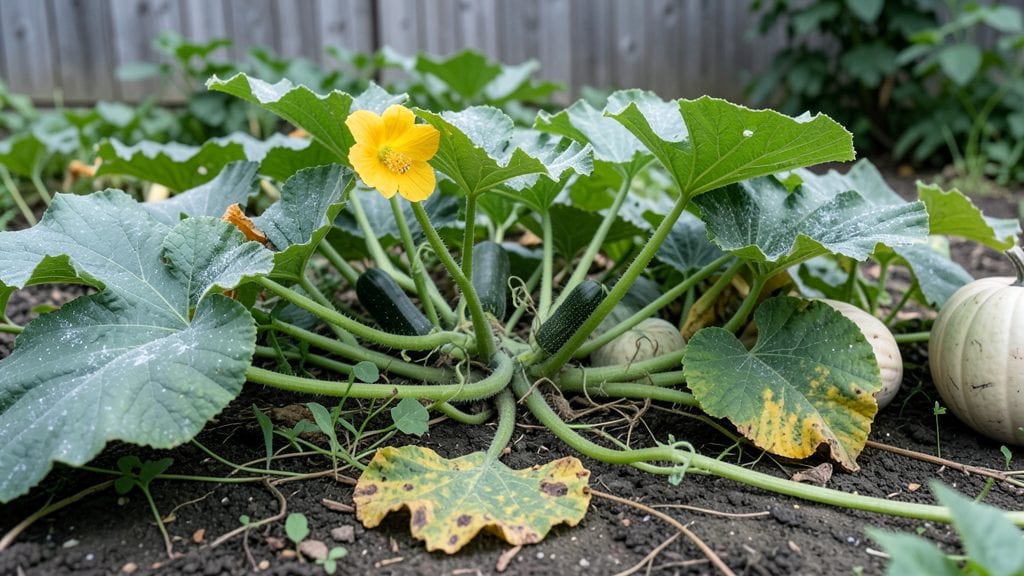
Squash plant problems can turn a thriving vine into a sad, wilted mess in days. 🌱 I’ve watched my own squash plants go from lush and green to struggling in just a week—usually because I missed the early signs.
The good news? Most issues have quick fixes once you know what to look for.
Powdery mildew, squash vine borers, and yellowing leaves are the usual culprits, but they all have telltale signs. A white dusty coating means mildew, while sawdust-like frass or wilting vines signal borers.
The key is acting fast—before the problem spreads. I’ll show you how to spot these issues early and stop them in their tracks.
With the right approach, you can save your plants and still enjoy a bountiful harvest. Think disease-resistant varieties, proper spacing, and a little preventive care. By the end, your squash will be thriving again, and you’ll be ready for whatever pests or weather throw at you.
No more guessing games—just clear, actionable steps to get your squash back on track. Whether it’s organic sprays, handpicking pests, or adjusting your watering routine, we’ve got you covered. Let’s get those plants healthy again!
Root Causes Of Squash Struggles
Squash plants, whether bush or vining types, face a variety of challenges that can stunt growth, wilt leaves, or even kill the plant if left unchecked. Understanding the why behind these issues is the first step to saving your harvest.
Below, we break down the most common culprits—from environmental stressors to biological threats—with clear explanations of how and why they occur.
Squash plants thrive in well-drained soil but drown when roots sit in soggy conditions. Overwatering or compacted, clay-heavy soil traps excess moisture, cutting off oxygen to the roots.
This leads to: - Root rot (fungal infections like Phytophthora or Pythium), which turns roots black and mushy. - Yellowing leaves (chlorosis) as the plant struggles to absorb nutrients. - Wilting despite damp soil—a classic sign of suffocation.
Why it happens: Squash roots need aeration to function. Heavy rainfall, overzealous watering, or planting in low-lying areas forces roots to gasp for air. Even "well-draining" potting mix can compact over time, trapping water.
While too much water is deadly, too little causes squash plants to wilt dramatically—even in hot afternoons. Unlike drought-tolerant crops, squash has shallow roots that dry out quickly.
Signs include: - Crispy, curled leaves (a survival mechanism to reduce water loss). - Blossom-end rot on fruits (calcium uptake fails when water is inconsistent). - Stunted growth as the plant conserves energy.
Why it happens: Squash plants transpire rapidly in heat (up to 1 gallon of water per day in summer). Sandy soil or containers dry out faster, while mulch (if absent) lets heat bake the roots. Even brief drought stress weakens the plant, making it vulnerable to pests or disease.
Squash is a heavy feeder, especially during fruiting.
If soil lacks key nutrients, plants show tell-tale signs of starvation: - Yellowing between leaf veins (magnesium deficiency, often from over-fertilizing with nitrogen). - Purple stems or leaves (phosphorus deficiency, critical for flowering). - Weak, pale new growth (nitrogen deficiency or poor soil microbes). - Blossoms that drop (calcium or boron deficiency, leading to poor pollination).
Why it happens:
- Poor soil testing: Many gardeners assume soil is fertile without checking pH (ideal: 6.0–7.0 for squash).
- Over-reliance on synthetic fertilizers: These can lock out micronutrients like zinc or iron, causing chlorosis (yellowing) even in "fed" plants.
- Depleted organic matter: Squash depletes nitrogen and potassium quickly; without compost or aged manure, plants starve mid-season.
Squash plants are a buffet for pests and pathogens, especially in humid climates.
The most damaging invaders include: - Squash vine borers (larvae burrow into stems, cutting off water flow). - Powdery mildew (white fungal coating on leaves, blocking sunlight). - Cucumber beetles (vector bacterial wilt, a fatal disease). - Aphids or spider mites (sap-sucking pests that weaken plants).
Why it happens:
- Stressed plants attract pests: Drought, nutrient deficiencies, or physical damage (like hail) make squash more susceptible to attacks.
- Crowded plants: Poor airflow from overplanting or thick vines creates ideal fungal conditions.
- Lack of rotation: Planting squash in the same spot yearly exhausts soil defenses and leaves pest eggs or fungal spores to overwinter.
Squash is heat-loving but sensitive to extremes.
Sudden temperature swings, wind, or frost can derail growth: - Blossom drop in temperatures above 90°F (heat sterilizes pollen). - Blackened leaves from frost or hail (physical damage invites rot). - Stunted vines in high winds (delicate stems snap or grow twisted).
Why it happens:
- Poor heat tolerance: While squash enjoys warmth, consistent 90°F+ days disrupt pollination. Morning heat is better than afternoon scorching.
- Cold sensitivity: Even 50°F nights can stunt growth, and frost kills the plant instantly.
- Windburn: Young plants lack rigidity; wind speeds over 10 mph can desiccate leaves or break stems.
Fungal and bacterial diseases lurk in soil, waiting for the right conditions to strike. Common offenders:
- Downy mildew (yellow spots on upper leaves, fuzzy gray mold underneath).
- Bacterial wilt (sudden wilting, oozing stems—no cure).
- Fusarium or Verticillium wilt (vascular diseases that clog plant plumbing).
Why it happens:
- Old garden beds: Repeatedly planting squash (or related crops like cucumbers) builds up pathogens.
- Overhead watering: Wet foliage at night extends fungal growth.
- Weakened plants: Stress from other issues (like nutrient deficiencies) lowers resistance.
Even well-cared-for squash can suffer from mechanical stress:
- Broken vines from heavy fruits or wind.
- Root disturbance from weeding too aggressively near the base.
- Shallow planting (leaves touching soil, inviting rot).
Why it happens:
- Fragile stems: Squash vines are woody but not reinforced—a single snapped stem can kill a vine.
- Poor support: Without trellises or cages, fruits drag vines into soil, promoting rot.
- Transplant shock: Moving squash plants (even young seedlings) damages feeder roots, halting growth for weeks.
Practical fixes for squash plant struggles
If your squash plants are throwing a fit—whether it’s wilted leaves, yellowing vines, or stubborn pests—don’t panic! Most issues have simple, actionable fixes. Below, we’ll map the most common squash plant problems to their solutions, so you can get your garden back on track in no time.
Cause: Too much water, not enough nutrients, or poor drainage. Fix:
- 🔥 Adjust Watering: Squash plants hate soggy roots. Water deeply 1–2 times per week (depending on climate) and ensure soil drains well. Stick your finger 1–2 inches into the soil—if it’s damp, wait before watering again.
- 🌱 Feed the Soil: Yellowing leaves often mean nitrogen (for leaves) or magnesium (for overall health) are lacking. Apply a balanced fertilizer (10-10-10) or a compost tea every 2–3 weeks. For magnesium, sprinkle Epsom salt (1 tbsp per gallon of water) and spray on leaves.
- 💡 Prevention Tip: Mulch around plants with straw or grass clippings to retain moisture without waterlogging. Avoid overhead watering to prevent fungal diseases.
Cause: These critters love squash and can decimate plants quickly if left unchecked. Fix:
- 👨🍳 Handpick & Remove: Early morning is the best time to spot squash bugs (they’re slow then). Crush them in soapy water or drop them into a bucket of soapy water (1 tbsp dish soap per gallon).
- 🥘 Neem Oil Spray: Mix 1 tbsp neem oil + 1 tsp mild soap + 1 quart water in a spray bottle. Coat leaves every 5–7 days to deter pests. Reapply after rain.
- 🔪 Row Covers: Use floating row covers (lightweight fabric) over young plants to block beetles and bugs. Remove when flowers appear to allow pollination.
- 💡 Prevention Tip: Plant marigolds, nasturtiums, or basil nearby—they repel pests naturally. Clean up garden debris in fall to reduce overwintering bugs.
Cause: Extreme heat, powdery mildew, or bacterial wilt can make vines sag. Fix:
- 🌿 Shade Cloth: If temps hit 90°F+, drape 30–50% shade cloth over plants to protect them. Water early morning to reduce evaporation.
- 🍳 Baking Soda Spray (for Mildew): Mix 1 tsp baking soda + 1 tsp oil + 1 tsp soap per quart of water. Spray undersides of leaves weekly to prevent powdery mildew.
- 🔪 Prune Infected Leaves: If you spot yellowing or brown spots (bacterial wilt), snip off affected leaves with sterilized scissors and dispose of them in the trash (not compost).
- 💡 Prevention Tip: Space plants 3–4 feet apart for airflow. Avoid overhead watering to keep leaves dry.
Cause: Lack of pollinators, temperature swings, or over-fertilizing with nitrogen. Fix:
- 🐝 Hand-Pollinate: If bees aren’t visiting, use a soft paintbrush to transfer pollen from male (long stem) to female (tiny fruit at base) flowers in the morning.
- 🌡️ Check Temps: Squash needs warm soil (70°F+) to thrive. If nights are chilly, use row covers during the day and remove them to warm soil.
- 🍳 Balance Fertilizer: Too much nitrogen = lush leaves, no fruit. Switch to a low-nitrogen, high-phosphorus fertilizer (like 5-10-10) to encourage blooming.
- 💡 Prevention Tip: Plant squash near flowers (like sunflowers or zinnias) to attract pollinators. Avoid shaking plants—it can dislodge pollen.
Cause: Overcrowding, poor soil, or transplant shock. Fix:
- 🔥 Thin Plants: Squash needs space! Thin seedlings to 2–3 feet apart (check seed packet for variety specifics). Overcrowding spreads disease and steals nutrients.
- 🌱 Amend Soil: If soil is rocky or clay-heavy, mix in compost or aged manure before planting. Squash loves well-draining, fertile soil.
- 🍳 Transplant Care: If moving seedlings, water deeply the day before and after transplanting. Use cucumber trellises for vining types to save space and improve airflow.
- 💡 Prevention Tip: Start seeds indoors 2–3 weeks early (if your climate allows) for a head start. Harden off seedlings gradually before outdoor planting.
🎯 Pro Tip: Keep a garden journal to track issues and solutions. Note what worked (or didn’t) so you can adjust next season! With these fixes, your squash plants should bounce back—and you’ll be feasting on homegrown zucchini, pumpkins, or butternut squash in no time. 🎉
Frequently asked questions
Why are my squash leaves turning yellow?
Yellowing leaves usually signal overwatering, nutrient deficiencies, or root rot. Check soil moisture—squash prefers 1-2 inches dry between waterings. If roots smell rotten, improve drainage or repot. For nutrient issues, apply a balanced fertilizer (10-10-10) or compost tea every 2-3 weeks.
How do I get rid of squash vine borers?
Cut open stems to find white larvae, then crush them in soapy water. Wrap stems with aluminum foil at the base to suffocate new borers. For prevention, use row covers early in the season or plant marigolds nearby to repel pests.
Can I save a squash plant with powdery mildew?
Yes! Spray leaves with a baking soda mix (1 tsp baking soda + 1 tsp oil + 1 tsp soap per quart of water) weekly. Prune infected leaves immediately and improve airflow by spacing plants 3-4 feet apart. Remove mulch temporarily to dry soil faster.
Why aren't my squash flowers producing fruit?
Check for heat stress (above 90°F), which sterilizes pollen, or lack of pollinators. Hand-pollinate with a soft brush in the morning, or plant bee-friendly flowers nearby. Ensure soil has enough phosphorus by using a 5-10-10 fertilizer during blooming.
How do I prevent squash plants from wilting in hot weather?
Water deeply in the early morning and mulch with straw to retain moisture. Use 30-50% shade cloth during peak heat (10 AM-4 PM). Avoid overhead watering to prevent fungal diseases. For container-grown squash, use self-watering pots to maintain consistent moisture.