Planting
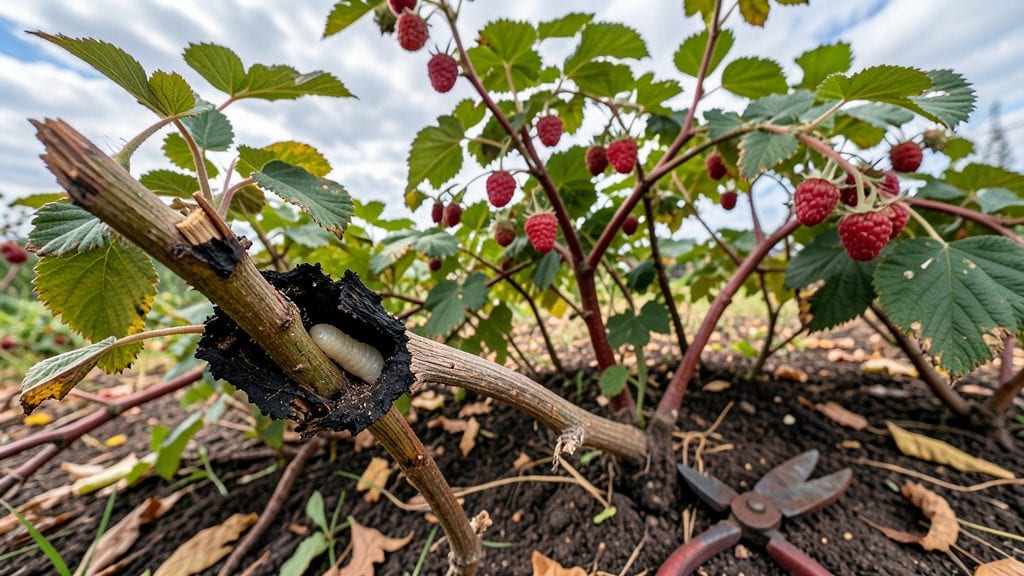
Raspberry plant problems can turn your thriving patch into a frustrating mess, but I’ve diagnosed and fixed every issue from rusty leaves to floppy canes—fast. 🌱 The key is spotting symptoms early, whether it’s yellowing foliage from overwatering or tiny webs signaling spider mites.
Most gardeners waste weeks guessing what’s wrong when the fix is simple.
My first raspberry disaster came from ignoring cane borers—those sneaky pests hollow out stems overnight. Now I check for sawdust-like frass at the base of canes, and a quick spray of neem oil stops them dead.
Even nutrient deficiencies show up fast: pale leaves mean nitrogen, while purple stems scream for phosphorus. A soil test takes the guesswork out.
By the end of this guide, you’ll recognize the difference between fungal rust (brown spots) and gray mold (fuzzy gray patches) and know exactly how to treat each.
Organic remedies like baking soda sprays and proper spacing cut down on diseases before they spread. The best part? Most fixes take less than 30 minutes.
Whether you’re battling pests, diseases, or environmental stress, these solutions work for primocanes and floricanes alike. Let’s get your raspberries back on track—no more wasted seasons.
Root Causes Behind Raspberry Struggles
Raspberries are resilient, but even the hardiest plants face challenges when environmental or biological factors tip the balance. Understanding the why behind raspberry plant problems helps you address them effectively. Below, we break down the most common culprits—from soil to pests—and explain the science behind their impact.
Raspberries thrive in well-draining, slightly acidic soil (pH 5.5–6.5). When soil conditions stray from this ideal, problems like yellowing leaves, stunted growth, or poor fruiting emerge.
- Compacted or Poor-Draining Soil
Raspberries hate soggy roots. Compacted soil restricts oxygen flow, leading to root rot (often caused by Phytophthora fungi). Overwatering or heavy clay soil worsens this, suffocating roots and preventing nutrient uptake.
- Nutrient Deficiencies
Lack of key nutrients triggers specific symptoms:
- Nitrogen (N) deficiency: Pale yellow leaves (especially older ones) signal poor protein synthesis for growth.
- Potassium (K) deficiency: Brown leaf edges or weak stems occur when the plant can’t regulate water or disease resistance.
- Magnesium (Mg) deficiency: Interveinal chlorosis (yellowing between veins) in younger leaves indicates poor chlorophyll production.
- pH Imbalances
Soil pH affects nutrient availability. If pH exceeds 7.0, micronutrients like iron and manganese become locked, causing chlorosis (yellowing) even in fertile soil. Conversely, overly acidic soil (pH <5.0) can leach essential nutrients like calcium.
Raspberries need consistent moisture but detest extremes. Water issues—whether too much or too little—disrupt cellular functions and invite pests or diseases.
- Underwatering
Drought stress causes wilting, curled leaves, and small, tart berries. Cells lose turgor pressure (rigidity) as water exits via transpiration faster than roots can absorb it. Prolonged stress weakens the plant’s immune response, making it susceptible to spider mites.
- Overwatering
Excess water displaces oxygen in soil pores, leading to anaerobic conditions that suffocate roots. This triggers root rot (fungal or bacterial) and crown rot, where the base of the cane turns mushy and black. Overwatering also dilutes soil nutrients, starving the plant.
- Irregular Watering
Fluctuating moisture levels stress raspberries, causing fruit cracking or blossom end rot (a calcium deficiency symptom). Cells expand unevenly as they absorb water inconsistently, leading to physical damage.
Raspberries are magnets for pests and pathogens, especially in humid or crowded conditions. These invaders exploit weak plants or thrive in specific environments.
- Fungal Infections (e.g., Botrytis, Powdery Mildew)
Fungi like Botrytis cinerea (gray mold) spread in damp, shaded conditions, causing:
- Gray, fuzzy patches on berries or leaves (sign of Botrytis).
- White powdery coatings on foliage (powdery mildew), which blocks sunlight and clogs stomata (leaf pores).
High humidity (>75%) and poor airflow create the perfect breeding ground.
- Insect Attacks (e.g., Japanese Beetles, Spider Mites)
Pests like Japanese beetles skeletonize leaves, while spider mites suck sap, causing stippling (tiny yellow dots) and webbing. These pests thrive in:
- Dry, hot conditions (mites).
- Overcrowded canes (beetles).
- Bacterial Infections (e.g., Crown Gall)
Agrobacterium tumefaciens causes crown gall, forming hard, cancerous galls at the base of canes. Bacteria enter through wounds (e.g., pruning cuts) and disrupt nutrient transport, stunting growth.
Even the best soil and water can’t save raspberries from poor growing practices or harsh conditions. These mistakes create stress points that invite problems.
- Inadequate Sunlight
Raspberries need 6–10 hours of full sun daily. Shade reduces photosynthesis, leading to:
- Leggy, weak canes (stretched growth toward light).
- Small, underripe berries with poor flavor.
- Overcrowding or Poor Pruning
Canes competing for resources produce smaller berries and increased disease risk. Poor pruning (e.g., cutting too late in the season) removes next year’s fruiting wood, while leaving dead canes harbors pests.
- Extreme Temperatures
Raspberries are sensitive to:
- Frost damage: New canes and blossoms die below 20°F, reducing next year’s yield.
- Heat stress: Temperatures above 90°F cause sunscald (white/yellow patches on leaves) and fruit sunburn (reddish discoloration).
💡 Pro Tip: Keep a plant journal to track symptoms, watering, and weather patterns. This helps pinpoint patterns (e.g., "problems spike after heavy rain") and adjust care proactively.
Quick Fixes for Raspberry Plant Woes
Raspberry plants are resilient, but even the hardiest varieties can fall victim to pests, diseases, or environmental stressors. The good news? Most issues have simple, effective solutions—if you catch them early.
Below, we’ve mapped out practical fixes for common raspberry plant problems, along with prevention tips to keep your berries thriving. Let’s turn those troubles into triumphs!
Cause: Overwatering, nutrient deficiency, or fungal infections (like anthracnose or rust). Fix It Fast:
1.
Check the Watering Routine 💧 - Stop soggy soil: Raspberry roots need well-draining soil—water only when the top 1–2 inches are dry. - Improve drainage: Amend heavy clay soil with compost or perlite to prevent waterlogging. - Adjust frequency: Water deeply 2–3 times per week (more in extreme heat) and avoid wetting leaves.
2. Boost Nutrients 🌱
- Fertilize smartly: Use a balanced fertilizer (10-10-10) in early spring, then switch to a low-nitrogen, high-potassium formula (like 5-10-10) when fruit forms.
- Organic fix: Mix compost or worm castings into the soil to replenish micronutrients.
3.
Treat Fungal Issues 🛡️ - Prune infected leaves: Remove and dispose of (don’t compost) yellow/curled leaves to stop spread. - Fungicide spray: Apply neem oil or copper fungicide every 7–10 days until symptoms fade. - Prevent recurrence: Space plants 3–4 feet apart for airflow and mulch with straw to deter spores.
💡 Pro Tip: If leaves curl only on new growth, it’s likely aphids—blast them off with water or introduce ladybugs as natural predators.
Cause: Sap-sucking pests (aphids, spider mites) or chewing bugs (Japanese beetles, raspberry sawfly larvae). Fix It Fast:
1.
Manual Removal 👨🍳🔪 - Aphids: Spray a strong stream of water to knock them off, or crush clusters with your fingers. - Spider mites: Wipe leaves with a soapy water solution (1 tsp mild soap per quart of water). - Sawfly larvae: Handpick and drop into soapy water—they’re fuzzy and easy to spot!
2.
Natural Repellents 🌿 - Neem oil spray: Mix 1 tbsp neem oil + 1 tsp mild soap per gallon of water, spray every 5–7 days. - Diatomaceous earth: Sprinkle food-grade DE around the base (reapply after rain). - Companion planting: Interplant with garlic, chives, or mint to deter pests.
3. Traps and Barriers 🕸️
- Yellow sticky traps: Hang near plants to catch whiteflies and aphids.
- Row covers: Use floating fabric in early season to block Japanese beetles.
⏰ Prevention: Inspect plants weekly (especially undersides of leaves) and remove debris where pests hide.
Cause: Lack of pollination, over-fertilization with nitrogen, or environmental stress (heat/cold). Fix It Fast:
1. Hand-Pollinate 🐝
- Gently shake plants on a warm, dry day to release pollen.
- Use a small brush to transfer pollen between flowers if bees are scarce.
2. Adjust Fertilizer 📊
- Cut back on nitrogen: Too much = leafy growth, no fruit. Switch to a potassium-rich fertilizer (like 0-10-10) when buds form.
- Avoid late-season feeding: Stop fertilizing 6–8 weeks before harvest.
3. Optimize Growing Conditions 🌡️
- Heat stress? Provide afternoon shade (use shade cloth) and mulch heavily to retain moisture.
- Cold snaps? Protect young canes with burlap wraps or straw mulch.
🎯 Pro Tip: Thin fruit clusters to 5–7 berries per stem—this ensures larger, sweeter raspberries!
Cause: Wind damage, root rot, or insufficient support. Fix It Fast:
1. Reinforce Supports 🏗️
- Install trellises or stakes early—use T-posts or bamboo stakes tied with soft twine.
- Weave canes through trellis wires as they grow for natural support.
2. Check for Root Issues 🌊
- Waterlogged soil? Amend with sand or compost and raise beds slightly.
- Root-bound? Gently loosen soil around the base to encourage deeper roots.
3. Prune for Strength ✂️
- Remove dead/diseased canes at the base.
- Trim back overgrowth to improve airflow and reduce strain.
✨ Prevention: Mulch with straw (not wood chips) to protect roots and retain moisture.
Final Thought: Most raspberry problems are preventable with consistent care. Monitor your plants weekly, act at the first sign of trouble, and soon you’ll be harvesting plump, juicy berries instead of stressing over pests! 🍓✨
Frequently asked questions about raspberry plant problems
Why are my raspberry leaves turning yellow?
Yellowing raspberry leaves usually signal overwatering or nutrient deficiencies. Check soil moisture first—roots need well-draining conditions. For deficiencies, test your soil and amend with compost or a balanced fertilizer (10-10-10). Yellowing between veins often means magnesium deficiency, while uniform yellowing suggests nitrogen lack.
What do those fuzzy gray patches on my berries mean?
Those are signs of Botrytis gray mold, a common fungal disease that thrives in humid conditions. Remove infected berries immediately and improve airflow by spacing plants 3-4 feet apart. Apply neem oil or copper fungicide every 7-10 days until symptoms disappear. Mulch with straw to prevent spores from splashing onto fruit.
How do I get rid of spider mites on my raspberry plants?
Spider mites love dry, hot conditions—start by increasing humidity with regular misting. Wipe leaves with a soapy water solution (1 tsp mild soap per quart of water) or spray with neem oil mixed with 1 tsp soap per gallon. Introduce natural predators like ladybugs or lacewings, and remove heavily infested leaves. Check undersides of leaves weekly.
Why are my raspberry canes falling over?
Floppy canes usually mean root rot from overwatering or insufficient support. First, check for mushy black roots—this indicates fungal infection. Improve drainage by amending soil with compost, and install trellises or stakes early in the season. Prune away dead canes and mulch with straw to protect roots from temperature swings.
Can I still harvest raspberries if they have small holes?
Small holes from pests like raspberry sawfly larvae or Japanese beetles are usually harmless if the fruit is otherwise healthy. Simply pick the damaged berries and discard them. For prevention, handpick larvae (they're fuzzy and easy to spot) or use row covers early in the season. The remaining fruit will be safe to eat once fully ripe.