
Planting
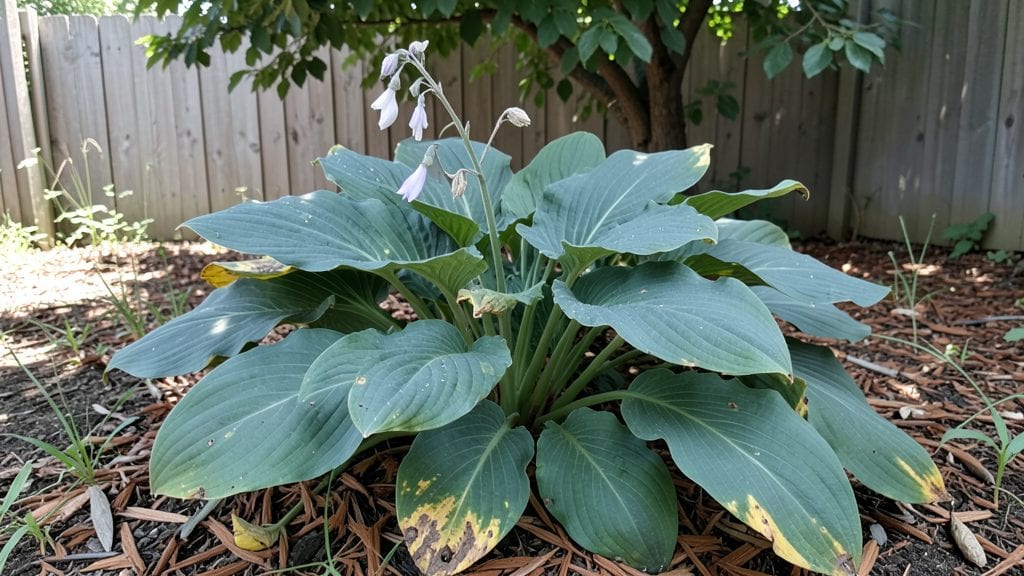
Growing hosta plants in sunlight isn’t as tricky as you might think—some varieties actually love morning sun and stay vibrant with the right care.
Hostas are the classic shade garden staple—but did you know some varieties thrive in morning sunlight? Discover the hardiest hosta plants that handle bright conditions without burning, plus expert tips to keep them lush and vibrant.
If you’ve ever watched your hostas wilt under afternoon rays or turn crispy at the edges, you’re not alone. The key lies in choosing the right sun-tolerant varieties and adjusting placement for optimal growth.
In this guide, I’ll break down the best hosta types for sunlight, how to protect them from too much sun, and what to watch for when they’re struggling. Let’s get your hostas looking their best!
Top 5 sun-tolerant hosta varieties for morning light exposure
Most gardeners assume hostas need deep shade—but some sun-tolerant varieties actually thrive with morning sunlight exposure. The key is selecting hardy cultivars with thick leaves and natural UV protection.
These top 5 hostas handle 3-6 hours of morning sun without scorching, making them perfect for east-facing garden beds or sunlit borders.
Morning sun (before 10 AM) is gentler than afternoon rays because it’s less intense and paired with cooler temperatures. However, even these sun-resistant hostas need well-draining soil and consistent moisture to prevent leaf burn. Let’s explore the best-performing varieties and why they outshine traditional shade-only hostas.
🌿 Comparison Table: Sun-Tolerant Hostas for Morning Light
| Variety | Leaf Color | Mature Size | Sun Tolerance | Key Feature |
|---|---|---|---|---|
| Francee | Blue-green with white edges | 18" tall x 36" wide | 6+ hours morning sun | Thick, waxy leaves resist burn |
| Blue Angel | Deep blue-green | 24" tall x 48" wide | 5-6 hours morning sun | Slow-growing, drought-tolerant |
| Halcyon | Chartreuse with white edges | 12" tall x 24" wide | 4-5 hours morning sun | Compact, great for containers |
| Guacamole | Yellow-green with white edges | 15" tall x 30" wide | 5 hours morning sun | Bright foliage holds color in sun |
| Patriot | Blue-green with white edges | 20" tall x 36" wide | 6 hours morning sun | Patriotic stripes, disease-resistant |
My personal favorite for morning sun is Francee, thanks to its thick, waxy leaves that act like natural sunscreen. I planted it last spring in a east-facing border, and it’s now the healthiest hosta in my garden—even after 6 hours of morning sun daily.
The white edges stay crisp, while many other varieties would have browned by now.
If you’re working with limited shade, Blue Angel is another standout. Its deep blue foliage thrives in 5-6 hours of morning light and handles dry spells better than most hostas. For small spaces, Halcyon is a compact powerhouse—its chartreuse leaves glow even in bright conditions.
For containers or window boxes, Guacamole delivers vibrant yellow-green foliage that retains color in morning sun. I’ve seen it outperform traditional shade hostas in patio pots near east-facing decks. The white edges add a bright contrast that’s perfect for seasonal interest.
Don’t overlook Patriot if you love bold colors. Its blue-green leaves with white edges create a patriotic look while handling up to 6 hours of morning sun. This variety also resists common hosta diseases, making it a low-maintenance choice for sunny spots.
To maximize success with these sun-tolerant hostas, pair them with mulch to retain moisture and water deeply in the morning. Avoid afternoon sun, as even these hardy varieties can scorch when exposed to intense afternoon rays.
With the right care and placement, these hostas will outshine traditional shade varieties in your morning-lit garden. 🌱
Pro tip: Test your hostas gradually. Start with 2-3 hours of morning sun and increase exposure over
How to protect hostas in sunlight without sacrificing growth
Hostas are famously shade-loving, but with the right strategies, you can safely expose them to morning sunlight without causing leaf burn. The key lies in gradual acclimation, proper mulching, and smart watering schedules.
Even sun-tolerant varieties like 'Halcyon' or 'Francee' need protection from harsh afternoon rays, so let's explore how to balance growth and safety.
First, understand that 3-6 hours of morning sun is ideal for most hostas—this gentle light boosts foliage vibrancy without overheating. However, afternoon sun (especially after 12 PM) can scorch leaves, turning them crispy and brown.
By adjusting placement, soil conditions, and care routines, you can extend their sunlight exposure safely while keeping them thriving.
- 🌱 Mulch Strategically: Apply a 3-inch layer of mulch (shredded bark or straw) to retain moisture and shield roots from temperature swings. Replenish annually to maintain protection.
- 💧 Water Deeply in Morning: Soak soil to 6 inches deep before 10 AM to reduce stress. Avoid evening watering, as damp leaves attract pests and fungal diseases.
- ✂️ Prune Damaged Foliage: Trim brown or crispy leaves promptly to redirect energy to healthy growth. Use clean, sharp shears to avoid spreading disease.
- 🌿 Use Companion Plants: Pair hostas with ferns or astilbes to create natural shade and reduce direct sun exposure. These plants also improve soil moisture retention.
- ☀️ Acclimate Gradually: If moving hostas to sunnier spots, increase sunlight exposure by 1 hour per week to harden them off. Sudden changes cause shock.
Another game-changer is shade cloth. If your hostas receive more than 6 hours of sunlight, drape a 30-50% shade cloth over them during peak hours (11 AM–3 PM).
This filters UV rays while allowing light penetration. For container hostas, choose terracotta pots—they dry out faster but reflect less heat than black plastic.
Don’t overlook the power of soil amendments. Amend planting beds with compost or peat moss to improve moisture retention and cool root zones. A 5-10-10 fertilizer applied in early spring also strengthens hostas’ resilience to sunlight stress. Monitor soil moisture closely, as dry conditions amplify sun damage.
Finally, observe your hostas’ behavior. If leaves develop yellow edges or bleached patches, they’re getting too much sun. Move them to a shadier spot immediately. With these adjustments, your hostas will reward you with bold foliage colors and robust growth—even in brighter conditions!