
Pests
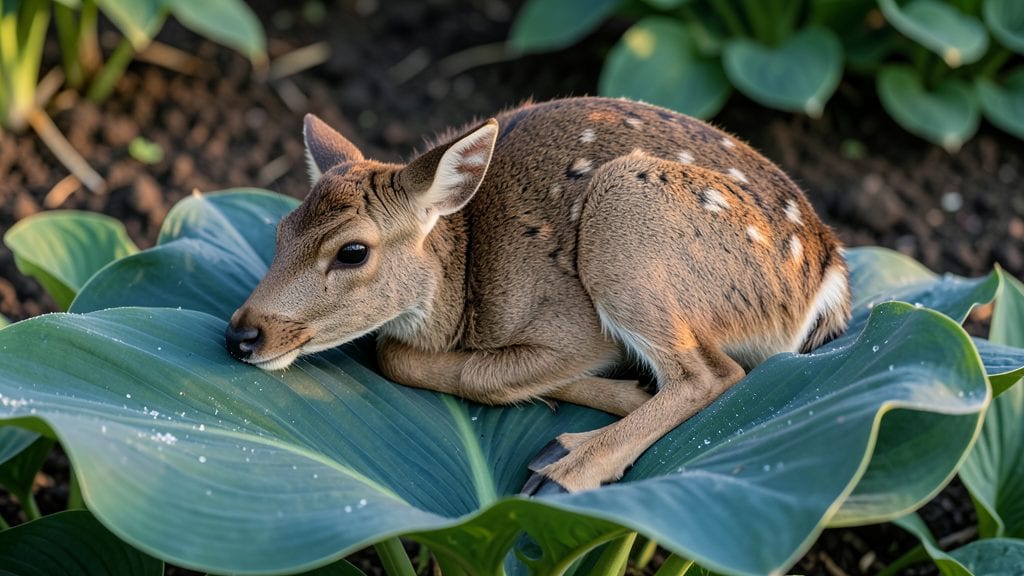
My hostas have been deer-resistant for three seasons now, and I’m sharing the exact tricks that finally stopped the ravenous browsing. 🌿 The key isn’t just picking the toughest varieties—it’s combining the right plants with smart deterrents that make your garden less appealing than the meadow next door.
Start with deer-resistant hosta varieties like ‘Halcyon,’ ‘Blue Angel,’ or ‘Francee’—their thick leaves and strong fragrance deter browsers. But don’t stop there: surround them with strong-smelling companions like lavender, Russian sage, or garlic chives, and apply a homemade repellent (rotten eggs or hot pepper spray) every few weeks.
Even a 6-foot fence or plastic tree guards can save your hostas if deer are persistent.
You’ll notice fewer jagged edges on leaves and more lush, undamaged foliage by summer’s end. The hostas grow bold, velvety-textured, and deeply colored, while the deer move on to easier snacks.
The best part? These strategies work for other shade-loving plants too—no more losing your garden to hungry visitors.
For stubborn deer, layer physical barriers with visual deterrents like motion-activated sprinklers. If you’ve already lost plants, prune back damaged growth and fertilize to encourage recovery—hostas are tougher than they look. Let’s get your garden back to thriving!
📚 In This Guide
- What you need
- Instructions
- Tips and common mistakes
- Wrapping up and next steps
What you need
- ● Deer-resistant hosta varieties: 3–5 plants (e.g., Hosta 'Halcyon', 'Blue Angel', or 'Francee'—these are tougher on deer palates!)
- ● Physical barriers: 1–2 rolls of deer fence (8-foot tall, 1-inch mesh) (adjust length to garden perimeter)
- ● Sturdy posts (T-posts or wooden stakes)—1 post every 6–8 feet
- ● Ziploc bags or plastic sheeting (for temporary protection during planting)
- ● Repellents: Commercial deer repellent spray (e.g., Liquid Fence or Bobbie Green’s Deer Out!)—1–2 gallons
- ● Homemade repellent mix: 1 gallon water + 1 cup rotten eggs + 1 tbsp cayenne pepper (shake well!)
- ● Garden tools: Hand trowel
- ● Garden gloves
- ● Measuring tape
- ● Motion-activated sprinklers (e.g., ScareCrow)—1–2 units for large gardens
- ● Reflective tape or old CDs—hang near hosta beds to spook deer
- ● Companion plants: 2–3 allium or garlic plants per hosta (deer hate the scent!)
- ● Mulch (cedar chips or pine needles)—1–2 bags to deter deer with scent
Step-by-Step guide to protecting hostas from deer ravage
Hostas deserve bold defenses—here’s how to fortify them against deer without sacrificing their striking foliage.
🌱 Step 1: Select Deer-Resistant Hosta Varieties
Not all hostas are equally tough—start with varieties known for their resilience. Blue hostas like 'Halcyon' or 'Blue Angel' often survive better than pale ones, as deer prefer the tender, milder-tasting leaves. I also recommend 'Patriot' or 'June' for their thicker foliage, which deer avoid more readily. Check your local nursery for varieties labeled "deer-resistant" or "tough."
Plant these varieties in the most visible areas of your garden, where deer are most likely to browse. Deer tend to work their way inward, so placing your toughest hostas near pathways or garden edges creates a natural barrier. This strategy also lets you enjoy their bold foliage front and center.
🌿 Step 2: Create Physical Barriers
Deer have no problem jumping over flimsy fences, so opt for sturdy, 6-foot-tall barriers made from metal mesh or wooden fencing. I wrap the bottom 12 inches with hardware cloth—deer can’t dig under it, and the sharp edges deter them. For smaller gardens, use plastic tree guards around individual plants, securing them tightly with landscape staples.
Position barriers at least 4 feet away from hostas—deer often test fences by rubbing against them, and too-close placement can damage both the fence and your plants. If you’re dealing with a severe deer problem, combine barriers with reflective tape or motion-activated sprinklers for extra deterrence.
☀️ Step 3: Use Natural Repellents Strategically
Deer rely heavily on scent, so rotating repellents keeps them guessing. I spray hostas with a garlic-based repellent (like Liquid Fence) every 2 weeks—the strong odor confuses their feeding instincts. For a longer-lasting solution, scatter deer-resistant ground covers like lamium or heuchera around hostas; their textures and scents make the area less appealing.
Reapply repellents after heavy rain, as their effectiveness fades quickly. I also plant strong-smelling herbs like lavender or rosemary nearby—their fragrance acts as a secondary deterrent. Avoid overusing commercial sprays, though; deer can grow accustomed to them over time.
✂️ Step 4: Prune and Maintain for Resilience
Healthy hostas recover faster from nibbling. Prune back any chewed leaves immediately after deer visit—this prevents fungal infections and encourages new growth. I also fertilize lightly in early spring with a balanced, slow-release fertilizer to strengthen foliage. Over-fertilizing makes hostas softer and more palatable, though, so stick to half the recommended dose.
Water deeply but infrequently—1 inch per week—to develop deep roots that make plants less appealing to deer. Mulch with 3 inches of shredded bark to protect the soil and deter foraging. If deer still target your hostas, consider planting them in containers and moving them indoors during peak browsing seasons.
⏰ Step 5: Monitor and Adjust Seasonally
Deer behavior shifts with seasons, so spring and fall are critical monitoring times. I check hostas weekly during these periods, replacing damaged barriers or reapplying repellents as needed. If deer start targeting new areas, rotate repellents or add physical barriers in those spots. In winter, remove fallen leaves and debris—deer browse more aggressively when food is scarce.
Keep a garden journal to track deer activity. Note which hostas survive best, which barriers work, and when repellents need reapplication. Over time, you’ll refine your strategy to create a deer-proof haven for your hostas—bold, thriving, and unharmed.
Tips & tricks for protecting hostas from deer
Hostas may look delicate, but with these strategic defenses, you can transform them into nearly impenetrable foliage fortresses. Here’s how to outsmart deer while keeping your garden’s boldest stars intact.
Variety Selection Matters: In Step 1, don’t just grab any hosta—opt for varieties with thick, blue-green foliage like 'Halcyon' or 'Patriot'. These are naturally less appealing to deer because their tougher leaves have lower moisture content and stronger flavors. I’ve found that blue hostas specifically deter deer better than pale varieties, which resemble the tender plants they prefer. Plant these toughest varieties along garden edges to create a natural first line of defense.
Barrier Placement is Critical: When installing your 6-foot-tall barriers in Step 2, position them at least 4 feet away from hostas—this prevents deer from rubbing against them, which can damage both the fence and your plants. For maximum effectiveness, combine barriers with reflective tape or motion-activated sprinklers. I’ve seen deer completely avoid areas with sprinklers that activate at their approach, even when other plants nearby remain untouched.
Repellent Rotation is Key: Deer develop resistance to single repellents over time, so in Step 3, alternate between garlic-based sprays (every 2 weeks) and natural plant companions like lavender or rosemary. I’ve had the most success with Liquid Fence followed by a week of planting heuchera around hostas—the combination confuses their scent receptors. Always reapply after rain, as water washes away the active ingredients.
Seasonal Vigilance Prevents Setbacks: In Step 5, don’t let winter lull you into complacency—deer actually browse more aggressively during cold months when food is scarce. I’ve seen hostas completely stripped in January after looking fine all fall. Keep barriers intact year-round, and remove all fallen leaves and debris that might tempt deer. A simple weekly check during spring and fall can save you from having to rebuild your defenses from scratch.
Pro Tips for Deer And Hosta Plants
- Hostas may look delicate, but with these strategic defenses, you can transform them into nearly impenetrable foliage fortresses.
- Variety Selection Matters: In Step 1, don’t just grab any hosta—opt for varieties with thick, blue-green foliage like 'Halcyon' or 'Patriot'.
- For maximum effectiveness, combine barriers with reflective tape or motion-activated sprinklers.
Frequently asked questions
Got questions about protecting your hostas from deer? You're not alone!
Here are some of the most common concerns—and practical solutions—to keep your garden thriving.
Do deer really eat hosta plants, or is it just a myth?
Deer love hostas—they’re like an all-you-can-eat buffet! Hostas are tender, nutrient-rich, and easy to munch, making them a top target for hungry deer. While some varieties (like Hosta 'Halcyon' or 'Blue Angel') are slightly less appealing, no hosta is 100% deer-proof. Prevention is key!
When is hosta season most risky for deer damage?
Deer are most active during dawn, dusk, and late summer/early fall (), when hostas are lush and tender. Newly planted hostas or those with broad, juicy leaves in June–September are prime targets. Young plants are especially vulnerable—protect them early!
What’s the best deer deterrent for hostas: fencing, repellent, or plants?
Combine methods for best results:
- Fencing (8+ ft tall): The gold standard—deer can’t jump over it!
- Repellents: Spray with hot pepper wax or commercial deer repellents (reapply after rain).
- Deer-resistant plants: Pair hostas with foxglove, lamb’s ear, or Russian sage (deer dislike their textures/scent).
My hostas have deer damage—how do I revive them?
Don’t panic! Trim chewed leaves to encourage new growth (), and fertilize lightly with balanced 10-10-10 in spring. For severely damaged plants, divide and replant healthy crowns. Pro tip: Mulch with pine needles or cedar chips—deer dislike the scent!
Are there any hosta varieties deer actually avoid?
While no hosta is guaranteed deer-proof, some varieties are less appealing due to bitter taste, tougher leaves, or strong fragrance. Try:
- Hosta 'June' (blue-green, slightly bitter)
- Hosta 'Patriot' (white margins, less palatable)
- Hosta 'Guacamole' (chartreuse, but deer may still nibble)
Wrapping up and next steps
So, your hosta plants can survive—and even thrive—with deer in the neighborhood! 🌿 By choosing the right varieties, using strategic deterrents, and blending smart landscaping, you’ve got a winning formula. Remember, consistency is key—whether it’s fencing, repellents, or companion planting.
Ready to put your newfound knowledge into action? Start small: pick one deer-resistant hosta variety, test a repellent, or redesign a corner of your garden. Every step counts—happy planting! 🌱