Pests and Diseases
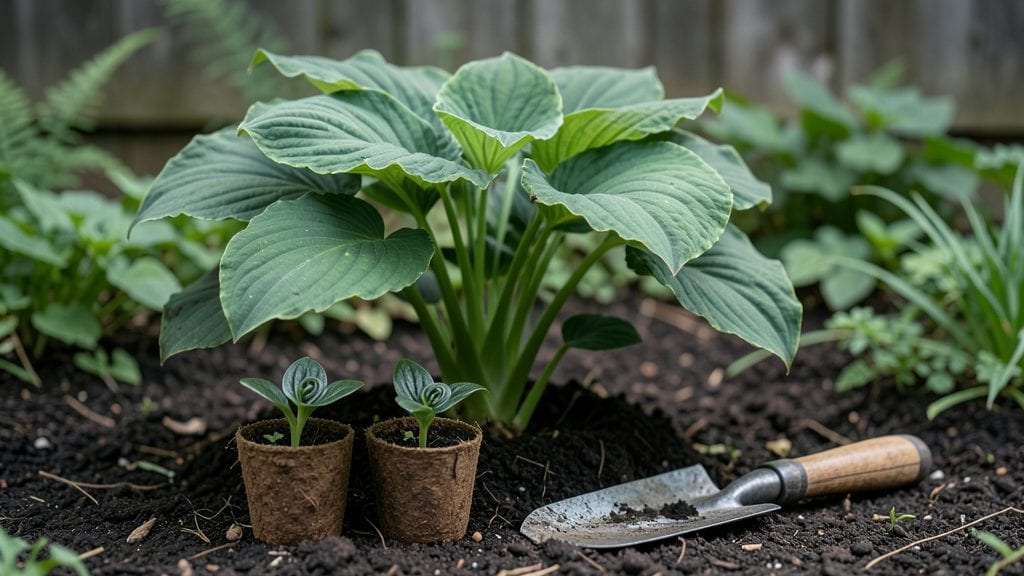
Proper hosta planting distance determines whether your 🌿 garden thrives or turns into a sad, crowded mess.
Struggling to keep your hostas looking vibrant instead of crowded and stressed? The key to thriving hosta plants lies in proper spacing—too close, and they’ll fight for sunlight; too far, and your garden will look sparse. Discover the science-backed planting distances that ensure lush, healthy foliage year after year.
Hostas are finicky about space, especially in USDA Zone 6a where spring planting runs from March to May. A dwarf variety like 'Blue Angel' needs just 12 inches of breathing room, while giants like 'Sum and Substance' demand 3 feet or more.
Get this wrong, and you’ll end up with yellow leaves, slug magnets, or a garden that looks like a hosta forest.
Below, I break down the exact spacing rules for every hosta size, how to adjust for shade or sun, and when to divide overcrowded clumps—so your hostas grow big, bold, and pest-free.
Optimal hosta planting distance by variety size: small vs. giant hostas
Hostas are stunning shade-lovers, but their planting distance makes all the difference between a lush garden and a crowded mess.
The mature size of each variety determines how much space they need to thrive. Dwarf hostas like 'Pandora's Box' can live happily in tight quarters, while giant varieties like 'Sum and Substance' need room to stretch their leaves.
Getting this right prevents competition for nutrients and reduces disease risk from poor airflow.
I’ve planted hostas for over a decade, and the biggest mistake I see is treating all varieties the same. A 12-inch dwarf hosta planted 18 inches apart will look sparse in 3 years, while a 4-foot giant crammed into that same space will flop and rot.
The key is matching spacing to mature foliage spread, not just the pot size you buy them in.
Here’s the golden rule: measure the width of the plant’s leaves at maturity, then space them at least that far apart. For example, a hosta with 24-inch-wide leaves should get 24 inches of space between plants. This ensures each plant gets enough air circulation and root room to grow strong.
Let’s break it down by size category with my go-to spacing guidelines for common varieties. Use this as your cheat sheet before digging that first hole!
Proper spacing isn’t just about looks—it’s about preventing disease. Hostas are prone to slug damage and fungal infections like leaf spot when crowded. The airflow created by correct spacing helps leaves dry faster after rain, reducing fungal spores.
I’ve seen gardens where hostas were planted too close end up with 50% more slug damage because the dense foliage traps moisture.
Another pro tip: dig a hole twice as wide as the root ball. This encourages roots to spread outward instead of circling, which is a common issue with hostas. Amend the soil with compost or peat moss to improve drainage, especially for giant varieties that hate soggy roots.
I mix in a handful of perlite for extra aeration—it makes a huge difference in preventing root rot.
If you’re planting in containers, follow the same spacing rules but use larger pots. A giant hosta needs at least a 20-gallon container to avoid root-bound stress. For dwarf varieties, a 5-gallon pot works well, but remember: containers dry out faster, so check soil moisture more often.
Finally, think about future growth. Even dwarf hostas can spread 12-18 inches wider over 5 years through rhizome growth. Plan your spacing with this in mind, especially if you’re using hostas as a ground cover.
I like to leave 6-12 inches extra space between rows when planting multiple varieties together to account for this natural spread.
Remember, less is more with hostas. It’s better to plant them a little too far apart than too close—you can always fill gaps later with smaller varieties. Happy planting, and may your hostas thrive in their perfect-sized spaces! 🌿
How to space hostas for maximum growth: sunlight, soil, and spillover control
Proper hosta planting distance isn’t just about aesthetics—it’s about creating an environment where your plants thrive. Hostas spread over time, and crowding leads to yellowing leaves, slug infestations, and stunted growth.
By adjusting spacing based on sunlight exposure and soil moisture, you’ll ensure each plant gets the resources it needs to flourish. Let’s break down the science behind spacing for these shade-loving perennials.
First, consider your garden’s light conditions. Hostas in full shade can handle closer spacing (12-18 inches apart) because they grow slower. In partial shade (3-6 hours of sun), increase spacing to 24-36 inches to prevent leaf scorch.
For sun-tolerant varieties like ‘Halcyon’ or ‘June’, aim for 36+ inches to avoid stress. Always match spacing to the plant’s mature size, not its current size.
Many gardeners assume shade-tolerant hostas can be planted tightly together, but this leads to poor airflow and fungal diseases. Even in low light, hostas need space for their rhizomes to expand.
Overcrowding forces plants to compete for nutrients, resulting in smaller leaves and pale foliage. For dwarf varieties (under 12 inches tall), maintain at least 12 inches between plants—never less.
Next, evaluate your soil quality. Hostas prefer rich, moist but well-draining soil with a pH of 6.5-7.5. If your soil is clay-heavy, increase spacing to 36 inches to prevent waterlogging, which causes root rot.
Amend the soil with compost or peat moss to improve drainage and add organic matter. In sandy soils, reduce spacing slightly (18-24 inches) since they dry out faster, but mulch heavily to retain moisture.
Hostas spread via rhizome growth, so plan for their natural expansion. A medium-sized hosta like ‘Francee’ can double in size every 3-4 years. To control spillover, create a border of rocks or edging 6-12 inches beyond your desired spacing.
For example, if you plant ‘Francee’ at 24 inches apart, place edging 36 inches from the center of each plant. This gives roots room to grow while keeping foliage contained.
Adjust spacing for garden layout constraints. In small gardens or containers, opt for dwarf varieties like ‘Pandora’ (12 inches spacing) or mini hostas (8-12 inches). For giant hostas like ‘Sum and Substance’ (up to 4 feet tall), space them 48-60 inches apart.
In woodland gardens, stagger plants in a naturalistic pattern with 30-40 inches between centers to mimic their native habitat.
Finally, monitor your hostas annually and adjust spacing as needed. If you notice leaf yellowing or slug damage in crowded areas, divide and replant sections with proper spacing. In high-traffic areas, use mulch rings to define plant boundaries and reduce soil compaction.
With the right spacing, your hostas will reward you with bold foliage, vigorous growth, and minimal maintenance—all while keeping pests at bay. 🌿