
Plants
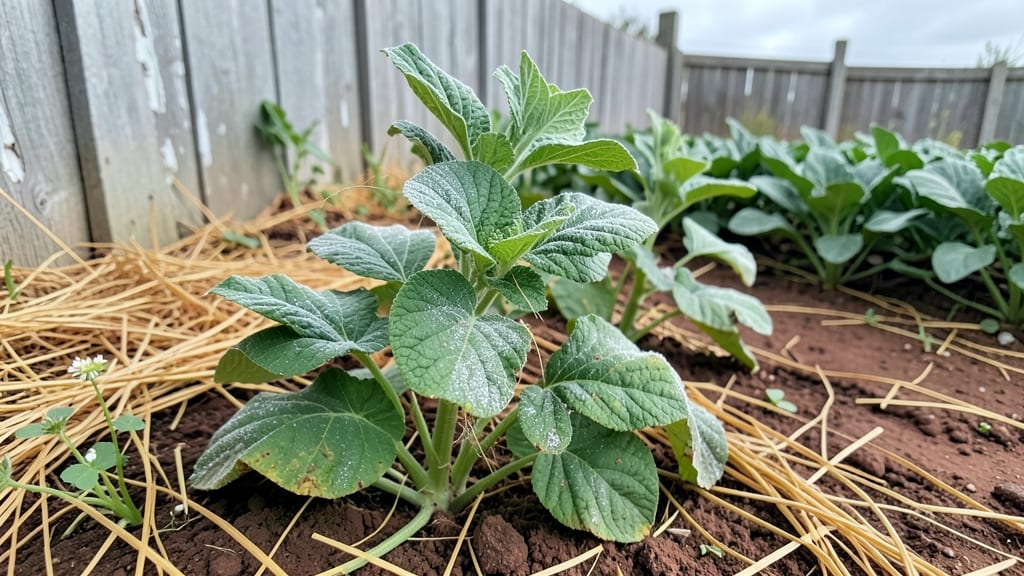
Fungus in plants turns vibrant leaves into sad, spotted messes—until you know how to tackle it without sacrificing your harvest. 🌱 I’ve lost entire tomato plants to blight and watched roses collapse under rust, but these methods saved my garden while keeping the plants alive.
The key isn’t harsh chemicals but smart cuts, airflow tricks, and a few targeted sprays that work faster than waiting for the problem to spread.
Most fungal infections start with simple mistakes: too much water, crowded plants, or ignoring those first weird spots. Powdery mildew looks like dust, rust creates orange pustules, and blight turns leaves into blackened slime.
I learned the hard way that pruning infected parts early stops the spread—just don’t toss clippings in the compost. Instead, seal them in a trash bag and spray your tools with rubbing alcohol between cuts.
By the time you’re done, your plants will bounce back with stronger growth, and you’ll spot infections before they take over. Tomatoes stay productive, roses bloom like crazy, and your soil stays healthy—no toxic residues.
The secret? A mix of preventive spacing, copper sprays for bad outbreaks, and baking soda solutions for mild cases. Let’s get your garden back to thriving.
This works for tomatoes, roses, peppers, and even houseplants—just adjust the spacing and spray frequency based on your climate. Humid summers? Add mulch to keep soil dry.
Shady spots? Boost airflow with pruning. The goal isn’t perfection; it’s saving your plants and your sanity. Ready to fix it without the guilt?
Root Causes Of Plant Fungus
Fungal infections in plants aren’t random—they thrive when specific conditions align. Understanding these triggers helps you prevent outbreaks before they start. Here’s why fungus invades your garden, lawn, or crops, and what you can do to stop it.
Fungi love damp, stagnant environments where moisture lingers and air can’t circulate. When plants grow too close together, their leaves brush against each other, trapping humidity and creating the perfect breeding ground for spores.
- Why it happens: Poor airflow slows evaporation, keeping surfaces wet longer. Fungal spores (like those from Botrytis or Powdery Mildew) germinate in these conditions.
- Actionable fix: Prune plants to improve spacing, thin out dense foliage, and avoid overwatering. Use trellises for vines to keep leaves elevated.
Waterlogged soil or prolonged leaf wetness (from overhead watering or rain) drowns plant roots and creates ideal fungus conditions. Many pathogens, like Phytophthora (root rot) or Alternaria, require moisture to infect.
- Why it happens: Fungal spores need free water to activate. Even 4–6 hours of leaf wetness can trigger infections.
Poor drainage traps excess water at the roots. - Actionable fix: - Water early in the day so foliage dries by night. - Use drip irrigation instead of sprinklers. - Amend soil with compost or perlite to improve drainage. - Avoid planting in low-lying areas where water pools.
Most fungal pathogens have a sweet spot—typically 60–80°F (15–27°C) with high humidity (70%+). These conditions weaken plant defenses while boosting fungal growth.
- Why it happens: Warm, humid air slows evaporation, keeping surfaces damp.
Fungi like Rhizoctonia (which causes damping-off in seedlings) thrive in these ranges. - Actionable fix: - Space plants for better airflow (even in containers). - Use shade cloth in hot, humid climates to reduce stress. - Mulch properly (2–3 inches of organic mulch) to regulate soil temp without trapping moisture.
Stressed plants are fungus magnets. Nutrient deficiencies, physical damage, or pest attacks compromise a plant’s natural defenses, making it easier for fungi to take hold.
- Why it happens: Plants under stress (from over-fertilizing with nitrogen, drought, or pest damage) produce fewer antifungal compounds.
Fungi like Fusarium exploit these gaps. - Actionable fix: - Balance fertilizers—too much nitrogen weakens roots. - Rotate crops to prevent soil-borne fungi from building up. - Remove infected debris immediately to stop spore spread.
Fungal spores can linger in soil for years or hitchhike on dirty pruners, gloves, or pots. If you’ve had fungus before, the problem might already be in your growing medium.
- Why it happens: Pathogens like Verticillium wilt survive in soil as microsclerotia (hard, dormant structures).
Reusing contaminated tools spreads spores to healthy plants. - Actionable fix: - Sterilize tools with 70% isopropyl alcohol or bleach water (1 part bleach to 9 parts water). - Test soil for fungal pathogens before planting (especially if previous crops failed). - Solarize soil (cover with clear plastic for 4–6 weeks in summer) to kill spores.
Insects like aphids, thrips, or mites don’t just feed—they injure plants, creating entry points for fungi. Their honeydew (sticky residue) also fosters sooty mold growth.
- Why it happens: Open wounds from pests let fungi like Colletotrichum (anthracnose) invade.
Honeydew provides a food source for secondary fungi. - Actionable fix: - Monitor for pests regularly (use yellow sticky traps for aphids). - Apply neem oil or insecticidal soap to control infestations early. - Clean up honeydew with a damp cloth to prevent mold.
Some plants are genetically predisposed to fungal diseases. While you can’t change their DNA, choosing resistant varieties reduces risk.
- Why it happens: Certain crops (like tomatoes prone to early blight or roses susceptible to black spot) lack natural resistance.
Fungi evolve to exploit these weaknesses. - Actionable fix: - Research disease-resistant cultivars (e.g., ‘Defiant’ phlox for powdery mildew resistance). - Avoid planting high-risk species in humid climates unless you’re prepared for prevention.
Pro Tip: 💡 Prevention is easier than cure—focus on airflow, moisture control, and plant health to starve fungi out before they start.
If you spot early signs (like yellowing leaves or white powder), act fast with copper fungicides or baking soda sprays (1 tsp baking soda + 1 quart water + a drop of soap).
Revive Your Plants Naturally
Fungal infections in plants can feel like a losing battle, but with the right approach, you can stop the spread, heal your greens, and prevent future outbreaks—without resorting to harsh chemicals.
Below, we’ve mapped out practical, plant-safe solutions tailored to common causes, from overwatering to poor airflow. Follow these steps to restore your garden’s health while keeping your harvest intact.
Fungal spores thrive in soggy soil, leading to root rot, powdery mildew, or black spot. If your plants look wilted but the soil stays damp, act fast.
🔥 Step 1: Adjust Watering Habits
- Water deeply but less often—aim for 1–1.5 inches per week (adjust for climate).
- Check soil moisture before watering: Stick your finger 1 inch deep—if it’s damp, wait.
- Water at the base (not overhead) to avoid wetting leaves, where fungi love to latch on.
🍳 Step 2: Improve Soil Drainage
- Amend heavy clay soil with compost, perlite, or coarse sand (50/50 mix).
- Raise containers on pot feet or bricks to prevent water pooling.
- Use well-draining pots with drainage holes—terracotta is ideal for wicking moisture.
👨🍳 Step 3: Fungal Remedies for Roots
- Hydrogen peroxide spray (3%): Mix 1 tbsp per gallon of water, drench roots, and let sit for 10 mins before replanting.
- Neem oil soak: Soak roots in 1 tsp neem oil + 1 tsp mild soap per gallon of water for 15 mins.
- Beneficial microbes: Add mycorrhizal fungi (available as powder) to soil to outcompete pathogens.
✨ Prevention Tip:
Mulch correctly—use straw or wood chips (2–3 inches thick) to retain moisture without suffocating roots. Keep mulch 6 inches away from stems to prevent rot.
High humidity or crowded plants create the perfect fungal buffet. Look for yellow spots, white powder, or gray fuzzy patches—classic signs of powdery mildew, downy mildew, or botrytis.
🔥 Step 1: Boost Airflow
- Prune plants to improve circulation—remove dead leaves, crowded branches, or overgrown vines.
- Space plants properly: Follow seed packet spacing guidelines (e.g., tomatoes need 18–24 inches apart).
- Use fans (on low setting) near seedlings or greenhouse plants to reduce humidity.
🍳 Step 2: Natural Fungicides for Leaves
- Baking soda spray: Mix 1 tsp baking soda + 1 tsp oil + 1 tsp soap per quart of water.
Spray every 7–10 days (test on a small leaf first). - Milk spray (raw or skim): Mix 1 part milk to 9 parts water, spray on leaves, and repeat every 3–4 days (works best for powdery mildew). - Copper fungicide (organic): Use copper soap (like Bordeaux mixture) as a last-resort spray—follow label rates.
👨🍳 Step 3: Remove Infected Parts
- Snip off infected leaves with sterilized scissors (wipe with rubbing alcohol between cuts).
- Dispose of debris in the trash (not compost)—fungi can survive in compost piles.
- Isolate affected plants until they recover to prevent cross-contamination.
💡 Pro Tip:
Morning watering is key—wet leaves dry faster in sunlight, reducing fungal growth. If you must water in the evening, avoid overhead sprinkling.
Plants under stress (nutrient-deficient, pest-damaged, or newly transplanted) are fungal magnets. If your greens look pale, stunted, or chewed, they’re vulnerable.
🔥 Step 1: Feed Them Right
- Balanced fertilizer: Use a low-nitrogen, high-phosphorus formula (like 5-10-10) to boost root health.
- Compost tea: Brew 1 cup compost in 5 gallons of water for 24–48 hours, strain, and foliar-spray or water plants with it.
- Seaweed extract: Spray 1 tbsp per gallon of water weekly to stimulate natural defenses.
🍳 Step 2: Pest Control First
- Handpick pests (like aphids or spider mites) that weaken plants.
- Introduce beneficial insects: Ladybugs, lacewings, or predatory mites keep pests in check.
- Insecticidal soap: Spray every 5–7 days to prevent secondary infections.
👨🍳 Step 3: Support Recovery
- Mulch with straw to retain moisture and regulate soil temp.
- Shade cloth (30–50%) can help stressed plants recover in hot climates.
- Avoid transplant shock: If repotting, water lightly for 3 days before resuming normal care.
🌡️ Prevention Tip:
Rotate crops annually—fungi like tomato early blight or apple scab can persist in soil. Plant non-related families (e.g., swap tomatoes for beans) in the same spot next season.
If a plant is beyond saving (e.g., root rot in a prized rosebush or severe botrytis on a strawberry patch), excise it humanely: 1. Dig up the plant and bag it immediately (don’t compost).
- Sterilize the pot/soil: Soak containers in 1 part bleach to 9 parts water for 10 mins, then rinse.
- Replace soil: Use fresh, sterile potting mix or solarize garden beds (cover with clear plastic for 4–6 weeks to kill pathogens).
✅ Inspect plants weekly for early signs (yellowing, spots, mold). ✅ Clean tools with rubbing alcohol between uses. ✅ Rotate crops and avoid planting the same family in infected spots for 2+ years. ✅ Buy disease-resistant varieties (e.g., ‘Super Sweet 100’ tomatoes resist early blight). ✅ Test soil pH—most fungi prefer acidic soil (pH <6.0); aim for 6.0–7.0 for veggies.
By tackling the root cause (literally and figuratively) and strengthening your plants’ defenses, you can outsmart fungi without chemicals. Start with one fix at a time, monitor progress, and soon your garden will be thriving—fungus-free! 🌿✨
Frequently asked questions about plant fungal issues
How can I tell if my plant has a fungal infection instead of a bacterial one?
Fungal infections often show as powdery white coatings (like powdery mildew), orange rust spots, or blackened, mushy patches. Bacterial issues usually cause yellow halos, oozing lesions, or wilted stems that snap easily. Fungi thrive in damp conditions, while bacteria spread through water splashing or contaminated tools.
Is it safe to compost plant clippings with fungal infections?
No—never compost infected plant material! Fungal spores can survive composting and reinfect your garden. Instead, seal clippings in a trash bag and dispose of them. If you must compost, only use sterilized, disease-free plant debris.
What’s the fastest way to stop powdery mildew from spreading?
Prune infected leaves immediately and space plants wider for airflow. Spray with a baking soda mix (1 tsp baking soda + 1 quart water + a drop of soap) every 7–10 days. For severe cases, use neem oil (1 tsp per quart of water)—it disrupts fungal growth within 24–48 hours.
Can I reuse soil from a plant that died from root rot?
Not without sterilizing it first. Fungal spores like Phytophthora survive in soil for years. Solarize the soil (cover with clear plastic for 4–6 weeks in summer) or mix in 10% fresh compost to dilute pathogens. Avoid planting susceptible crops (like tomatoes) in the same spot for 2+ years.
Why does my indoor plant keep getting moldy despite good light?
Overwatering and poor airflow are the top culprits. Let the top 1–2 inches of soil dry between waterings, and wipe leaves weekly with a damp cloth to remove dust (which blocks airflow). Place a small fan nearby to reduce humidity around the plant.