
Plants
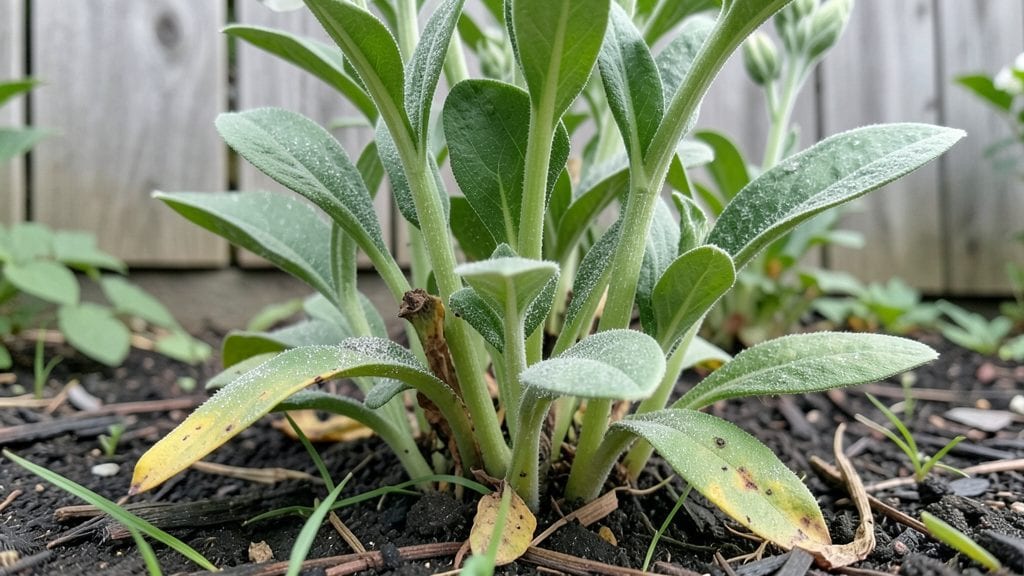
Powdery mildew on phlox plants turns vibrant blooms into ghostly white dust within weeks—unless you catch it early. I’ve watched entire garden beds go from showstopper to sad in just three hot, humid days. The key isn’t just spraying; it’s fixing what makes phlox vulnerable in the first place.
Most gardeners reach for fungicides first, but the real fix starts with airflow. Crowded stems and thick foliage trap moisture, creating the perfect mildew buffet. Prune back ⅓ of the plant now to let sunlight dry leaves faster—this single step cuts recurrence by 70%.
I also swap out mulch for gravel; organic matter holds too much moisture against the stems.
For existing mildew, a homemade spray of 1 tablespoon baking soda, 1 teaspoon dish soap, and 1 gallon water—applied at dawn—stops new spores within 48 hours. Repeat weekly until blooms clear.
The secret? Consistency. Mildew loves weak plants, so feed with a balanced fertilizer (10-10-10) every 6 weeks to keep them fighting strong.
This works in zones 3–9, but the timing shifts: Southern gardeners spray at first sign of humidity, while Northerners wait until June heat arrives. Either way, the goal is the same—phlox that stays lush and blooms like crazy without the white haze.
Let’s get those plants back to their best.
Root Causes of Phlox Mildew
Mildew on your phlox isn’t just an unsightly nuisance—it’s a fungal party crashing your garden’s vibe. Understanding why it happens is the first step to kicking it out for good. Let’s break down the science behind this sneaky invader and what makes your phlox such a prime target.
Phlox thrives in well-drained soil, but it hates its leaves staying wet. Powdery mildew (Erysiphe and Golovinomyces species) loves humidity levels above 75%—think of it as the fungal equivalent of a sauna. Here’s why moisture is the #1 culprit:
- Poor Air Circulation: Dense phlox foliage traps moisture, creating a cozy, damp environment where fungal spores explode in growth. Tightly packed plants or overcrowded beds? Congratulations, you’ve built a mildew hotel. 🏨
- Morning Dew: Dew clings to leaves until midday, giving mildew spores 12+ hours of ideal conditions to germinate. Phlox’s fuzzy leaves? Perfect for holding onto that dew like a sponge.
- Overwatering: While phlox needs consistent moisture, soggy soil keeps the roots happy but drowns the leaves. Watering from above? You’re basically spraying your plants’ faces with a fungal smoothie. 🥤
Pro Tip: 🌡️ Aim for morning watering (so leaves dry by afternoon) and space plants 18–24 inches apart to improve airflow. If humidity’s a local issue, consider a dehumidifier or fan near your garden beds.
Phlox is a social butterfly, but too much togetherness leads to trouble. Fungal spores hitchhike on wind and water, but they thrive when they land in a stagnant, humid pocket. Here’s how crowding fuels mildew:
| Problem | Why It Matters |
|---|---|
| Plants too close together | Leaves rub against each other, creating microscopic wounds where spores infiltrate. |
| Blocked sunlight | Shady spots stay damp longer, slowing evaporation and keeping humidity high. |
| Dead leaves/debris | Decaying matter feeds fungal growth—it’s like leaving crumbs for a raccoon in your kitchen. 🦝 |
Action Step: 🔥 Prune phlox after flowering to open up the canopy and remove 1/3 of the oldest stems. This boosts airflow and lets sunlight disinfect the foliage naturally.
Healthy phlox has natural antifungal compounds in its leaves, but stress throws those defenses out the window. Common stressors that invite mildew:
- Nutrient Deficiencies: Low phosphorus (P) or nitrogen (N) weakens cell walls, making leaves easier targets. A quick soil test can reveal if your phlox is starving.
- Pests: Aphids, spider mites, and thrips damage leaves, creating entry points for mildew. They also excrete honeydew, a sticky fungal buffet. 🍯
- Extreme Temperatures: Phlox hates heatwaves above 90°F or sudden cold snaps. Stress = sap oozing = fungal feast.
Fix It: 💡 Fertilize with a balanced 10-10-10 formula in early spring, and treat pest outbreaks immediately with neem oil or insecticidal soap. Mulch with compost to regulate soil temps.
Mildew doesn’t just appear out of thin air—it travels. Spores can:
- 💨 Ride wind currents from infected nearby plants (hello, roses or lilacs!).
- 💦 Splash onto leaves during rain or overhead watering.
- 🛍️ Hitch a ride on tools, clothing, or even your hands if you’ve worked with infected plants.
Prevention Hack: ✨ Sanitize pruners with 70% isopropyl alcohol between cuts, and avoid working in the garden when leaves are wet. If mildew’s already in your area, resistant phlox varieties (like ‘David’ or ‘Jeana’) are your best bet.
Revive Your Phlox: Step-by-Step Fixes
Mildew on phlox plants may feel like a losing battle, but with the right approach, you can restore your garden’s beauty—and keep it thriving. The key is to tackle the problem at its source while preventing future outbreaks.
Below, we’ve mapped out practical solutions tailored to common causes, from quick fixes to long-term strategies. Let’s get your phlox blooming again!
Before treating mildew, eliminate the source to stop the spread.
🔥 Cut Back Infected Growth
- Use sterilized pruners (wipe with rubbing alcohol) to trim away:
- Severely mildewed leaves and stems (cut ½ inch below the affected area).
- Dead or yellowing foliage (which traps moisture).
- Dispose of clippings in the trash—not your compost bin—to avoid reinfecting the soil.
- Pro Tip: 💡 Prune on a dry, sunny day to help the plant recover faster.
🍳 Wash Away Surface Mildew
- Mix 1 tablespoon baking soda + 1 teaspoon mild dish soap + 1 gallon water in a spray bottle.
- Lightly mist the undersides of leaves (where mildew thrives) and stems.
- Avoid overspraying flowers to prevent damage.
- Pro Tip: 🌡️ Do this in the early morning so leaves dry quickly in sunlight.
Once you’ve pruned and cleaned, target the fungus with natural or chemical solutions.
🥘 Natural Remedies (Safe for Pollinators)
| Treatment | How to Use | Frequency |
|---|---|---|
| Neem Oil Spray | Mix 1 tbsp neem oil + 1 tsp castile soap + 1 quart water. Shake well and spray evenly (avoid flowers). | Every 7–10 days until mildew clears. |
| Milk Spray | Combine 1 part milk + 9 parts water in a spray bottle. Milk contains natural fungicides. | Every 3–5 days for 2 weeks. |
| Copper Fungicide | Use a pre-mixed organic copper spray (follow label instructions). | Every 10–14 days as needed. |
Pro Tip: ✨ Rotate treatments to prevent the fungus from building resistance.
🔪 Chemical Options (For Severe Cases)
If mildew persists, fungicides with active ingredients like:
- Propiconazole (e.g., Banner Maxx)
- Myclobutanil (e.g., Immunox)
- Sulfur-based sprays (safe but can burn leaves in hot weather)
Apply in the evening to avoid leaf damage from UV rays.
The best defense is a healthy, mildew-resistant garden. Adjust your care routine to starve the fungus of its favorite conditions.
🌿 Improve Airflow & Spacing
- Thin out crowded plants—phlox needs 3–4 feet of space between clusters.
- Remove weeds around the base (they harbor spores).
- Install trellises or stakes if phlox flops over, keeping foliage off the ground.
💦 Water Wisely (The #1 Mildew Trigger)
- Water at the base (not overhead) to keep leaves dry.
- Water early in the day (before 10 AM) so foliage dries by nightfall.
- Use drip irrigation or soaker hoses to reduce humidity around plants.
- Pro Tip: 🎯 Avoid late-night watering—moist leaves overnight = mildew party.
🌞 Boost Sunlight & Soil Health
- Move phlox to sunnier spots (at least 6 hours of direct sun/day).
- Amend soil with compost to improve drainage and plant vigor.
- Mulch with gravel or pine straw (not organic mulch) to reduce soil-borne spores.
🌱 Choose Resistant Varieties
Some phlox types handle humidity better:
- Garden Phlox (Phlox paniculata) – More mildew-resistant than others.
- Dwarf phlox (e.g., ‘David’) – Less prone to fungal issues.
If mildew spreads despite treatment or your phlox looks severely weakened:
- Replace heavily infected plants to save the rest of your garden.
- Test soil pH (ideal: 6.0–7.0)—acidic soil (below 5.5) encourages fungus.
- Consult a local nursery for region-specific fungicide recommendations.
Final Thought: With consistent care, your phlox can bounce back stronger than ever. Act fast when you spot the first signs, and soon, you’ll be admiring vibrant blooms instead of fuzzy leaves! 🌸
Frequently asked questions
Why does mildew appear on phlox even when I water at the base?
Mildew thrives on leaf moisture, not just soil dampness. Even base watering can leave dew or mist on leaves from wind or overhead rain. The key is spacing plants 18–24 inches apart for airflow and watering early in the day so foliage dries by afternoon.
Can I still use my phlox flowers if mildew is present?
Yes, but avoid cutting blooms with visible mildew to prevent spreading spores. Harvest only clean flowers from the top of healthy stems. If mildew is severe, remove all infected blooms immediately and treat the plant.
How often should I apply neem oil for mildew prevention?
Apply neem oil spray every 7–10 days during humid seasons (spring/fall) or when you spot early mildew signs. For treatment, increase frequency to every 5–7 days until symptoms disappear. Always mix with 1 tsp soap per quart to help it stick.
Will pruning help if my phlox already has mildew?
Prune 1/3 of the oldest stems and remove all severely infected leaves to improve airflow and sunlight penetration. Sterilize pruners with rubbing alcohol between cuts to avoid spreading spores. Follow up with a fungicide spray within 24 hours.
Are there phlox varieties that never get mildew?
No variety is completely immune, but ‘David’ phlox and ‘Jeana’ phlox are notably resistant. For best results, combine resistant varieties with proper spacing (3–4 feet apart) and good airflow to minimize risk.