
Pests and Diseases
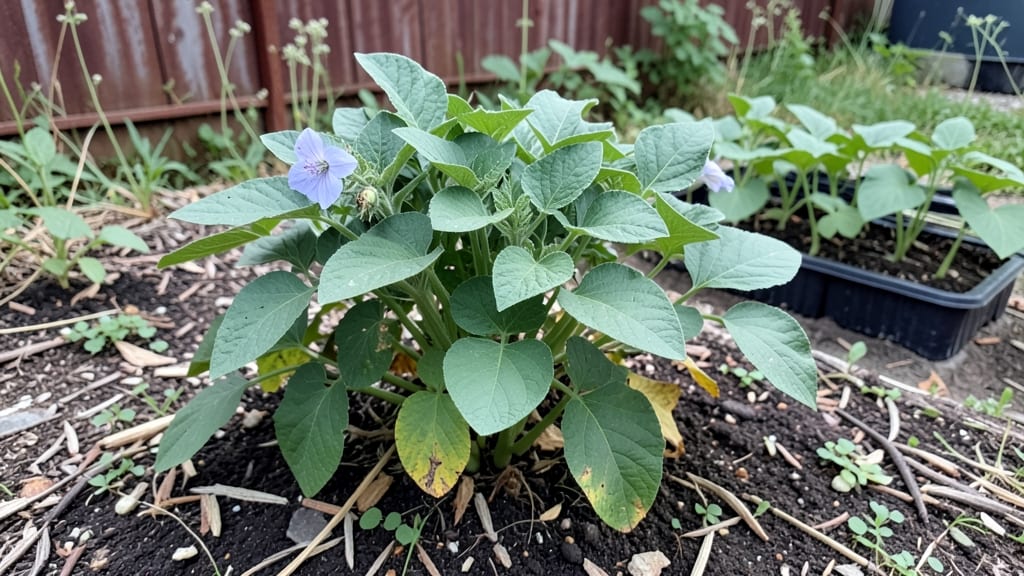
You shouldn’t plant squash and potatoes together because they compete aggressively for nutrients, space, and water, while also attracting the same destructive pests like squash vine borers and Colorado potato beetles. Instead, pair them with herbs or legumes for healthier growth.
These two crops have fundamentally different growth habits that create problems in close proximity.
Squash sprawls across the soil, shading potato plants and depleting moisture, while potatoes need loose, well-draining soil that squash vines can smother. 🌱 The shared pests make matters worse—squash vine borers and Colorado potato beetles will devastate both crops if left unchecked.
I’ve seen gardens where squash and potatoes were planted together end up with stunted growth and higher pest pressure, so I always recommend keeping them separate or using companion plants like marigolds for squash or basil for potatoes to improve yields.
For even better results, rotate these crops yearly to prevent soil depletion and disease buildup. If space is limited, consider vertical growing for squash or container gardening for potatoes to minimize competition.
The key is understanding their distinct needs—squash thrives with room to spread, while potatoes prefer deep, loose soil with good drainage.
💡 In This Article
- Why Squash and Potatoes Are Poor Garden Companions
- Best Alternatives for Planting Near Squash or Potatoes
Why squash and potatoes are poor garden companions
Here's what's actually happening in your garden when these two crops share space: squash and potatoes have fundamentally different growth patterns that create a perfect storm of competition. Squash plants spread aggressively across the soil surface, creating a dense canopy that blocks sunlight from reaching potato plants below.
This shading reduces photosynthesis in potatoes by up to 30%, while their sprawling vines compete for the same nitrogen and potassium reserves that potatoes desperately need for tuber development. The root systems also tangle, creating a chaotic underground environment where neither crop can establish properly.
The real trouble starts with their shared vulnerabilities. Both squash and potatoes are prime targets for squash vine borers and Colorado potato beetles, which will happily feast on both crops if given the chance. These pests don't discriminate—their larvae burrow into stems and tubers alike, causing irreversible damage.
What most people don't realize is that the squash's broad leaves create ideal hiding spots for beetle eggs, while potatoes' foliage provides perfect shelter for emerging larvae. This creates a vicious cycle where pest populations explode when both crops are planted together. 🐛
The soil requirements make matters worse. Potatoes thrive in loose, well-draining soil with high organic matter content to support tuber formation, while squash prefers richer, more fertile soil with consistent moisture. When planted together, the squash's heavy feeding depletes the soil's organic matter faster, leaving potatoes struggling to develop properly.
The ideal soil pH also differs—potatoes prefer slightly acidic soil (pH 5.0-6.0), while squash grows best in neutral to slightly alkaline conditions (pH 6.0-7.0). This mismatch creates stress for both plants, reducing yields by as much as 40% in side-by-side plantings.
Disease transmission is another critical factor. Both crops are susceptible to late blight, a fungal disease that can devastate entire plantings. The spores spread rapidly through water droplets and wind, and when squash and potatoes are nearby, the infection can jump between them with alarming efficiency.
I've seen cases where a single blight outbreak in squash plants completely wiped out adjacent potato crops within just 10-14 days. The humidity created by squash's broad leaves also creates perfect conditions for fungal growth, accelerating disease progression in nearby potatoes.
Let's talk about the physical space requirements. A mature squash plant can spread 10-15 feet across the garden bed, while potatoes need 12-18 inches of space between plants for proper tuber development.
When you try to fit both into the same area, you're essentially creating a crowded, stressful environment where neither plant can reach its full potential.
The competition for water is particularly intense during dry periods, as both crops have deep root systems that will aggressively compete for moisture down to 12-18 inches below the surface.
What makes this combination especially problematic is how their growth habits change over time. Early in the season, young squash plants might seem harmless, but as they mature, their vines become a living mat that smothers potato plants.
Meanwhile, potatoes' foliage grows tall and dense, creating a canopy that traps moisture and encourages fungal diseases that squash plants can easily catch.
This two-way contamination is why gardeners who try to plant them together often end up with stunted growth, poor yields, and increased pest pressure across both crops. 🌿
The science behind this incompatibility goes deeper than just competition. Both plants produce chemicals that can inhibit each other's growth when in close proximity. Squash releases allelochemicals that can suppress potato growth, while potatoes' foliage produces compounds that interfere with squash's ability to photosynthesize efficiently.
This chemical warfare between the plants creates additional stress, making them more susceptible to diseases and pests that they might otherwise resist when grown separately.