
Companion Plants
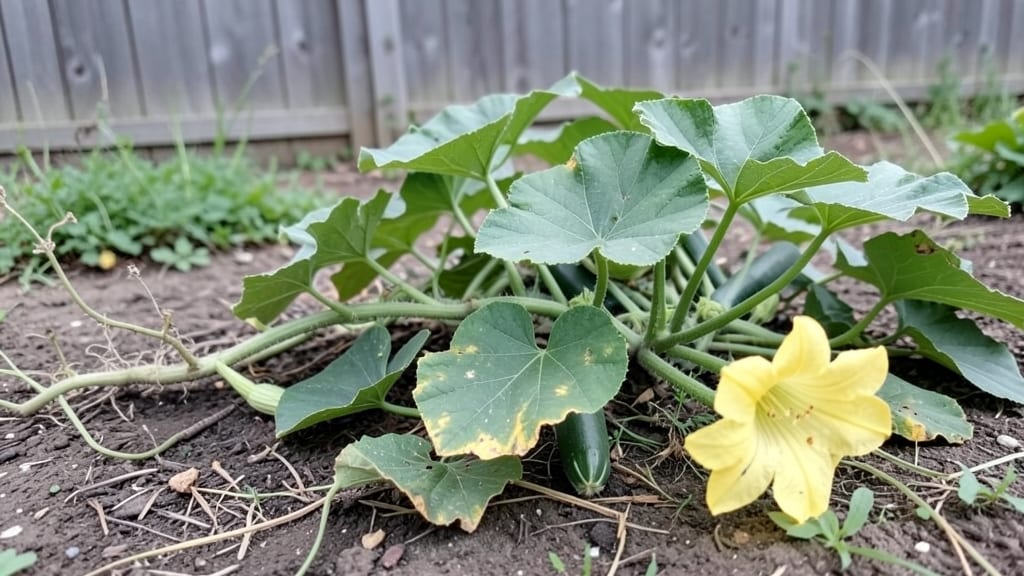
Growing cucuzza squash plants has been my secret weapon for turning shady corners into productive garden spots. 🌱 These vines produce sweet, cucumber-like fruits without demanding full sun, making them perfect for small spaces, container gardens, or areas where taller plants cast shade.
I planted mine last spring under my apple tree, and they thrived where nothing else would grow.
The key to success starts with loose, well-draining soil rich in compost—think of it as giving these vines a cozy, airy bed to stretch their roots. They handle partial shade beautifully but still need at least 4-6 hours of morning sun for best fruit production.
Spacing them 3-4 feet apart gives their sprawling vines room to climb or spread without crowding, and a simple trellis keeps them off the ground while making harvests easier.
Watering consistently keeps the soil evenly moist but never soggy—these plants drink deeply but hate wet feet. A mulch layer helps retain moisture and keeps roots cool, while a balanced fertilizer (like 5-5-5) applied every 4-6 weeks ensures steady growth.
The real reward? Harvesting those dark green, ribbed fruits when they're 6-8 inches long, sweet and crisp like cucumbers but with a unique, nutty flavor all their own.
Watch for cucumber beetles and powdery mildew—they love cucuzza too—but a row cover and good airflow prevent most issues. With proper care, one plant can produce 10-15 pounds of fruit over the season, making it one of the most generous shade-tolerant crops around.
Ready to turn your tricky spots into a harvest? Let’s get growing!
📚 In This Guide
- What you need
- Instructions
- Tips and common mistakes
- Wrapping up and next steps
What you need
- ● Seeds or seedlings: 3–5 cucuzza squash seeds (or 2–3 young plants if starting with transplants). Choose heirloom varieties like ‘Cocozelle Romanesco’ for best flavor.
- ● Containers or garden bed: Containers: 5-gallon pots or larger (at least 12–18 inches deep) with drainage holes. Pro tip: 💡 Use fabric grow bags for better root aeration!
- ● Garden bed: A 3–4 ft wide, 12-inch deep trench or raised bed with loose, well-draining soil.
- ● High-quality potting mix: 1–2 bags of organic, peat-free mix (e.g., Miracle-Gro Organic Choice or FoxFarm Ocean Forest).
- ● Compost or worm castings: 1–2 cups per plant to enrich soil with nutrients.
- ● Fertilizer: Balanced organic fertilizer (10-10-10) or compost tea. Follow package rates for application.
- ● Trellis or stakes: 4–6 ft tall bamboo stakes or a lightweight trellis (cucuzza vines can grow 10+ ft but benefit from support).
- ● Watering can or hose with gentle spray nozzle: For even moisture without damaging leaves.
- ● Mulch: Straw or shredded leaves (2–3 inches thick) to retain moisture and suppress weeds.
- ● Garden trowel or small shovel: For transplanting or amending soil.
- ● Pruners or scissors: To trim vines or remove yellowing leaves.
- ○ Gloves: Optional but helpful for handling prickly vines or soil.
- ○ pH test kit: Optional but useful—cucuzza prefers 6.0–7.0 pH. Adjust with lime (to raise) or sulfur (to lower) if needed.
- ○ Row cover or shade cloth (10–30% shade): Optional for hot climates to protect young plants.
- ● Full or partial shade (3–6 hours of sunlight daily; tolerates dappled light).
- ● Warm soil temps (60°F/15°C minimum) for germination. Start seeds indoors 4–6 weeks before last frost or direct-sow after frost.
- ● Well-draining soil (avoid waterlogged areas—cucuzza hates soggy roots!).
How to grow cucuzza squash plants in small spaces
Here’s my foolproof method for growing these productive, shade-friendly vines—even in tight spots.
🌱 Step 1: Choose the Right Spot and Prep the Soil
Cucuzza squash thrives in partial shade, making it perfect for balconies or under trees. Pick a location with 4-6 hours of morning sun and afternoon shade. The soil should drain well but retain moisture—amend heavy clay with 1-2 inches of compost mixed into the top 6 inches of soil.
These vines spread aggressively, so mark a 3-foot diameter circle for each plant. If space is tight, use a 5-gallon container with drainage holes. Avoid fresh manure—it burns tender roots. Instead, work in a balanced 10-10-10 fertilizer at planting time to fuel early growth.
🌿 Step 2: Plant Seeds or Transplants at the Right Time
Start seeds indoors 4-6 weeks before your last frost or sow directly after soil warms to 60°F. Plant seeds 1 inch deep and 2 inches apart in rows 3 feet apart to give vines room to sprawl. If using transplants, space them 18-24 inches apart—they’ll fill that space fast.
Thin seedlings to the strongest one per spot when they’re 2 inches tall. Pull weaklings gently to avoid disturbing roots of remaining plants. Water deeply after thinning to settle the soil and encourage root growth. You’ll see first true leaves—deep green and lobed—within 7-10 days.
💧 Step 3: Water and Mulch for Consistent Growth
Cucuzza squash needs 1-1.5 inches of water weekly, but it’s drought-tolerant once established. Water at the base in the morning to prevent fungal diseases. Let the soil dry slightly between waterings—wilting leaves mean it’s time to hydrate. You’ll know moisture is right when the top 1 inch of soil feels dry but deeper soil stays damp.
Spread 2-3 inches of straw mulch around plants to retain moisture and suppress weeds. Keep mulch 2 inches away from stems to prevent rot. This is where many gardeners go wrong—I’ve seen vines collapse from overwatered crowns. Mulch also keeps soil temps steady, which is critical when daytime highs hit 90°F.
✂️ Step 4: Prune and Train Vines for Bigger Harvests
Pinch off the first few flowers to encourage bushier growth—this redirects energy to more productive vines. Once vines reach 3 feet long, train them along a trellis or fence to save space. Use soft plant ties to avoid damaging stems. You’ll see more flowers and fruit when vines aren’t sprawling everywhere.
Harvest when fruits are 6-8 inches long and firm to the touch. Check vines twice weekly—overripe squash turns seedy fast. Leave 2-3 fruits per vine to mature fully for seeds if you want to save them for next year. Regular harvesting keeps plants productive longer.
☀️ Step 5: Protect and Extend the Season
If frost threatens, cover vines with frost cloth for 2-3 weeks to protect tender growth. In containers, move pots to a sheltered spot or indoors near a sunny window. Cucuzza squash is sensitive to cold—temperatures below 50°F stunt growth and turn fruits bitter.
Fertilize lightly with half-strength liquid fertilizer every 3-4 weeks to maintain vigor. Stop fertilizing 4 weeks before first frost to let plants harden off. You’ll know it’s time to call it quits when vines yellow and leaves crisp—harvest any remaining fruit before this happens.
Tips & tricks for growing cucuzza squash in small spaces
Here's what I've learned after growing these shade-loving vines in tight spots for years—these tricks make all the difference.
Soil Temperature Secret: The 60°F soil temperature threshold in Step 2 is critical. Use a soil thermometer to confirm—cold soil slows germination. If your soil runs cooler, plant in black plastic pots or use a cold frame to warm it up faster. I've seen seeds take twice as long to sprout when soil is only 55°F.
Container Hack for Small Spaces: For the 5-gallon container option in Step 1, add a time-release fertilizer tablet at planting. These vines are heavy feeders, and containers dry out faster. I use a 6-month tablet that dissolves slowly, giving you one less thing to remember. Place it 2 inches below the soil surface for best results.
Watering Wisdom: Those 1-1.5 inches of water weekly in Step 3 can be tricky in containers. I water mine every other morning instead of weekly to maintain consistent moisture. Check the top 1 inch of soil—if it's dry, water thoroughly. Overwatering is the #1 reason vines collapse, especially when daytime temps hit 90°F.
Harvesting Timing Tip: The 6-8 inch size range for harvesting in Step 4 is flexible—pick when fruits feel firm but still have that tender squash texture. I harvest every 3-4 days to encourage more production. Wait too long, and you'll get those tough, seedy fruits that ruin the delicate flavor.
Pro Tips for Cucuzza Squash Plants
- Here's what I've learned after growing these shade-loving vines in tight spots for years—these tricks make all the difference.
- Soil Temperature Secret: The 60°F soil temperature threshold in Step 2 is critical.
- Container Hack for Small Spaces: For the 5-gallon container option in Step 1, add a time-release fertilizer tablet at planting.
Frequently asked questions
Got questions about growing cucuzza squash plants? You’re not alone—this unique, shade-tolerant vine has quirks that can trip up even seasoned gardeners. Below, we tackle the most common concerns to help you grow a thriving patch with confidence!
How long does it take for cucuzza squash plants to produce fruit?
Cucuzza squash typically takes 70–90 days from transplanting to harvest, depending on your climate and growing conditions. In cooler or shaded spots, expect a slightly longer wait. Pro tip: Plant early in warm zones or use black plastic mulch to speed up maturity!
Why aren’t my cucuzza squash vines flowering?
Lack of flowers? Check these fixes:
- Sunlight: Cucuzza needs 4–6 hours of direct sun daily—even partial shade can stall blooms.
- Watering: Inconsistent moisture (too much or too little) stresses plants. Aim for 1–2 inches of water weekly.
- Pollinators: Hand-pollinate flowers with a soft brush if bees are scarce.
Can I grow cucuzza squash in containers?
These vines thrive in 5-gallon containers or larger with drainage holes. Use a lightweight potting mix and a trellis to save space. Watch out: Containers dry out faster—water daily in hot weather!
What’s the difference between cucuzza and regular zucchini?
Cucuzza is a longer, thinner relative of zucchini (resembling a cucumber or chayote) with a milder, nutty flavor. It’s more shade-tolerant and produces fruit earlier than zucchini. Bonus: Less prone to powdery mildew!
How do I prevent pests from eating my cucuzza plants?
Common pests include squash bugs and aphids. Try these organic fixes:
- Row covers: Use lightweight fabric early in the season.
- Neem oil: Spray leaves weekly to deter pests.
- Beneficial insects: Attract ladybugs or lacewings to eat aphids.
Wrapping up and next steps
Growing cucuzza squash plants is a fantastic way to add versatility, flavor, and beauty to your small garden—even in shady spots! 🌿 Their hardy nature, compact vines, and delicious harvest make them a win-win for both beginners and seasoned gardeners.
Whether you’re saving space, experimenting with companion planting, or simply craving homegrown produce, cucuzza squash delivers.
Ready to dive in? Start by gathering your supplies and sketching a cozy spot for your vines. Then, plant with confidence—your future meals (and garden’s productivity) will thank you!