
Pruning
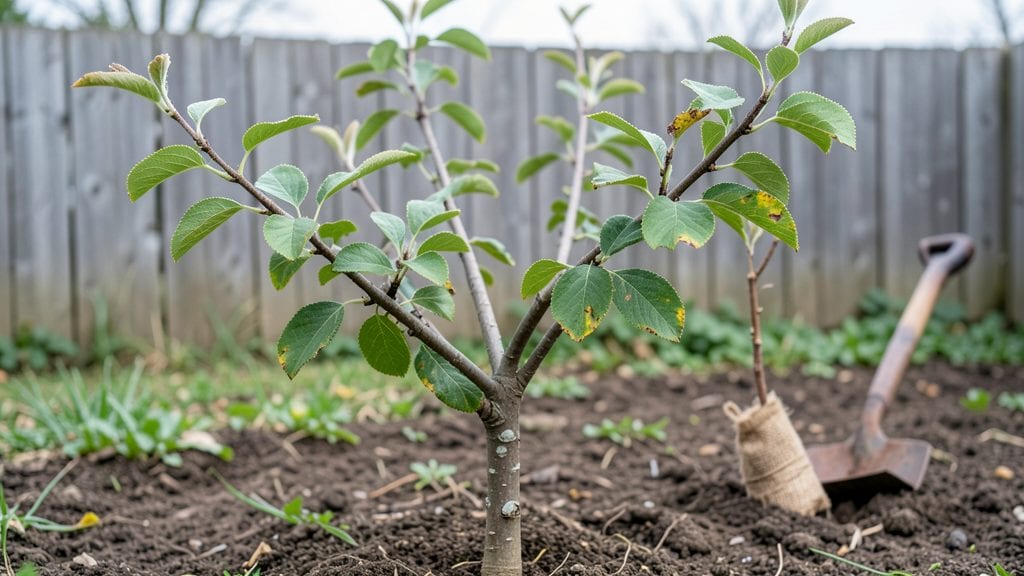
Planting a crab apple tree means four seasons of interest—spring blossoms, summer shade, autumn color, and winter structure. I’ve planted mine in early spring and late fall, and both times, the tree established beautifully with minimal fuss.
The key is timing: too early, and the roots freeze; too late, and they struggle to take hold before winter.
Start by choosing a spot with full sun and room to grow—these trees can reach 20-30 feet tall. Amend the soil with compost if it’s heavy clay or sandy, and dig a hole twice as wide as the root ball but no deeper.
The tree’s top should sit 2-3 inches above ground level to prevent rot, and water deeply right after planting to settle the soil.
Mulch around the base with 2-3 inches of wood chips, keeping it clear of the trunk. Water weekly for the first year, especially during dry spells, but avoid soggy soil—crab apples hate wet feet.
With proper care, you’ll see vibrant new growth by spring, and those iconic blossoms by year two.
Regional tweaks matter: in hot climates, plant on the north side of the house for afternoon shade; in cold zones, wait until after the last frost to avoid winter damage.
Prune lightly in early spring to shape the tree, and avoid heavy cuts until it’s established. Your tree will thank you with decades of beauty.
📚 In This Guide
- What you need
- Instructions
- Tips and common mistakes
- Wrapping up and next steps
What you need
- ● Crab apple tree: 1-2 healthy, bare-root or container-grown saplings (choose disease-resistant varieties like 'Dolgo' or 'Adams')
- ● Shovel or trowel: 1 medium-sized digging tool (for planting holes)
- ● Garden compost or well-rotted manure: 5-10 gallons (to enrich soil)
- ● Mulch (wood chips or straw): 2-3 bags (3-4 inches deep for moisture retention)
- ● Watering can or hose with nozzle: 1 (for thorough hydration)
- ○ Staking kit (optional but helpful): 1-2 stakes + tree ties (if planting in windy areas)
- ● Pruning shears: 1 pair (for trimming damaged roots or branches)
- ● Soil test kit: 1 (to check pH/fertility—ideal range: 6.0–7.0)
- ● Tree guard or protective collar: 1 (to deter pests like rabbits)
- ● Fertilizer (slow-release or organic): 1 bag (follow package instructions)
- ● Garden gloves: 1 pair (for comfort while handling soil/tools)
- ● Post-hole digger: 1 (if staking is needed)
Step-by-step instructions for planting a crab apple tree
Here’s how to plant your crab apple tree for strong roots and stunning seasonal color.
Choose the Right Location and Dig the Hole
Select a spot with full sun—at least 6 hours of direct sunlight daily—and well-draining soil. Crab apple trees thrive in slightly acidic to neutral soil with a pH between 6.0 and 7.0. Avoid low-lying areas where water pools after rain.
Dig a hole twice as wide as the root ball but only as deep as the container’s root base. This prevents burying the graft union, which can weaken the tree. Loosen the sides of the hole with a shovel to encourage root spread into the surrounding soil.
Prepare the Tree and Plant
Remove the tree from its container and gently loosen the roots if they’re tightly bound. Prune any broken or circling roots with clean, sharp pruners. Place the tree in the hole so the top of the root ball sits level with the ground—never deeper, or it’ll suffocate.
Backfill the hole with the native soil you removed, tamping it lightly around the roots to eliminate air pockets. Water deeply to settle the soil and help roots make contact with the earth. You’ll know it’s right when water drains evenly without pooling.
Mulch and Stake for Support
Spread 3 inches of mulch (like wood chips or pine straw) in a 3-foot diameter circle around the base, keeping it 6 inches away from the trunk to prevent rot. Mulch retains moisture and regulates soil temperature, but too much can smother the roots.
Install two stakes on opposite sides of the tree, about 6 inches from the trunk, and tie the tree loosely to them with soft tree ties or strips of old fabric. This prevents wind damage while allowing the tree to sway slightly, which strengthens its trunk over time.
Water and Monitor Growth
Water the tree deeply once a week for the first month, ensuring the soil stays moist but not soggy. After that, water every 10–14 days unless it’s unusually dry, checking the soil 2 inches down—it should feel damp but not wet. Overwatering can lead to root rot, while underwatering stresses the tree.
Fertilize lightly in early spring with a balanced, slow-release fertilizer (like 10-10-10) to support new growth. Avoid heavy feeding the first year, as the tree focuses on establishing roots. Watch for signs of stress—yellowing leaves or wilting—adjusting water or mulch as needed.
Prune for Shape and Health
Perform three essential trims yearly: summer cleanup, winter shaping, and post-bloom thinning. In late summer, remove dead, diseased, or crossing branches to improve airflow and reduce pests. Use clean, sharp pruners to make cuts just outside the branch collar.
In late winter or early spring, prune to open the canopy and encourage airflow, cutting back any branches that rub together. After flowering, thin out overcrowded branches to improve fruit production and tree health. Never remove more than 25% of the canopy in one season—this stresses the tree.
Tips & tricks for planting a thriving crab apple tree
Planting a crab apple tree is a rewarding long-term investment, but the first year sets the foundation for its entire life. These tips will help you avoid common pitfalls and give your tree the best possible start.
Soil Preparation Matters: Before planting, test your soil's pH to ensure it falls within the ideal range of 6.0 to 7.0. If your soil is too acidic, you can amend it with crushed limestone. I always recommend loosening the sides of the planting hole thoroughly—this encourages roots to spread outward rather than circling, which can strangle the tree as it grows. The extra 10 minutes spent loosening the sides makes a surprising difference in root development.
Proper Mulching Technique: When you spread that 3-inch layer of mulch, resist the urge to pile it against the trunk. Keep it 6 inches away to prevent moisture buildup that can cause rot. I've seen many new gardeners make this mistake, thinking more mulch is better. The key is creating a donut shape around the tree, not a volcano. Also, choose organic mulches like wood chips or pine straw—they improve soil quality as they break down.
Watering Wisdom: The first month is critical for establishing roots, so stick to that weekly deep watering schedule. To check moisture levels, insert your finger about 2 inches into the soil—it should feel damp but not soggy. I always water in the morning so the tree can absorb moisture before evening temperatures drop. After the first month, you can extend to every 10-14 days, but always adjust based on your specific climate and rainfall patterns.
Pruning Insights: When performing your late summer cleanup, focus on removing branches that cross or rub together—these create entry points for pests and diseases. I recommend using clean, sharp pruners and making cuts just outside the branch collar. This technique promotes faster healing and reduces the risk of infection. Remember that the post-bloom thinning in spring helps direct the tree's energy toward fruit production rather than maintaining unnecessary branches.
Pro Tips for Crab Apple Tree Planting
- Planting a crab apple tree is a rewarding long-term investment, but the first year sets the foundation for its entire life.
- Soil Preparation Matters: Before planting, test your soil's pH to ensure it falls within the ideal range of 6.0 to 7.0.
- Proper Mulching Technique: When you spread that 3-inch layer of mulch, resist the urge to pile it against the trunk.
Frequently asked questions
Got questions about planting a crab apple tree?
You’re not alone! Here are some of the most common queries—plus straightforward answers to help you get started with confidence.
When is the best time to plant a crab apple tree?
The ideal time is early spring (before buds break) or fall (4-6 weeks before the first frost). These windows give roots time to establish before extreme temperatures. Avoid planting in summer heat or winter freezes, as stress can stunt growth.
How deep and wide should I dig the planting hole?
Dig a hole twice as wide as the root ball but only as deep—no deeper! This prevents soil compaction around the roots. Loosen the sides of the hole to encourage root spread. Pro tip: Mix native soil with compost in the hole for a nutrient boost.
Can I plant a crab apple tree in a small yard or container?
Crab apple trees thrive in full sun (6+ hours daily) and need space—15–25 feet for mature varieties. Dwarf cultivars (like ‘Centennial’ or ‘Dolgo’) fit smaller yards or large containers (20+ gallons). Just ensure proper drainage and prune regularly to control size.
What pests or diseases should I watch for after planting?
Common issues include apple scab (fungal spots), codling moths (larvae in fruit), and aphids. Prevent problems with copper fungicide (for scab) and neem oil (for pests). Monitor leaves and fruit closely—early action keeps your tree healthy!
How long does it take for a crab apple tree to bear fruit?
Patience is key! Most crab apples produce fruit in 3–5 years, though some varieties (like ‘Adams’) may take up to 7 years. Young trees focus on root/leaf growth first. Tip: Plant two trees for cross-pollination if you want heavier yields!
Wrapping up and next steps
Planting a crab apple tree is a rewarding way to add year-round beauty, wildlife support, and seasonal interest to your landscape. From choosing the right variety to mastering pruning techniques, every step brings you closer to a thriving, picturesque tree.
Now that you’re equipped with the essentials, why not take the first step today?
- 🌱 Start small: Pick a healthy sapling or bare-root tree from a trusted nursery and plant it this season.
- 📅 Mark your calendar: Schedule your first pruning session—spring is ideal, but don’t wait!
- 💬 Share your progress: Tag us in your before-and-after photos for inspiration and tips!
Your future orchard of blooms, fruit, and shade is just a shovel’s throw away—let’s grow something beautiful together! 🌿✨