
Diseases
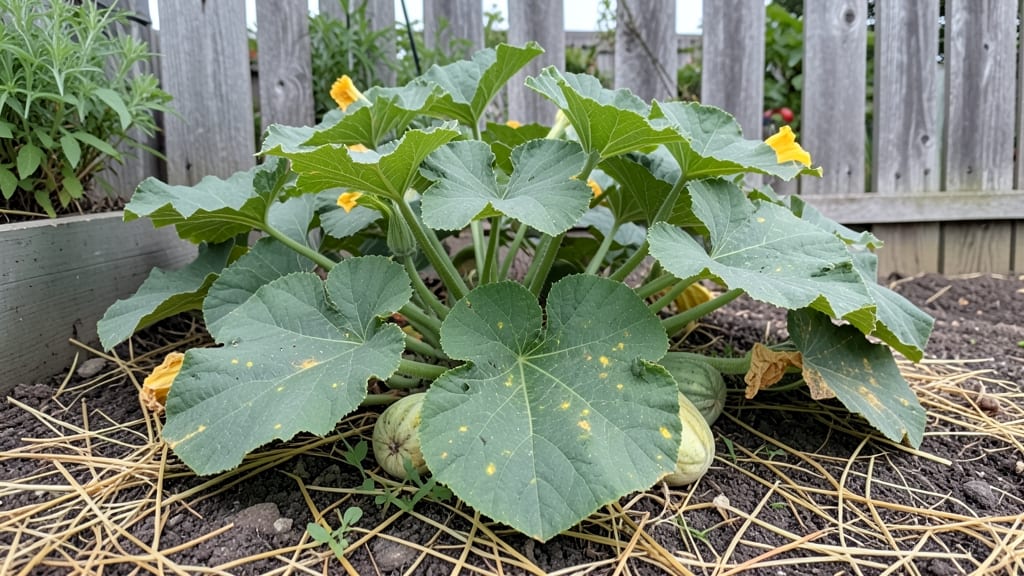
The butternut squash plant diseases you dread—like powdery mildew or bacterial wilt—can turn your harvest from golden bounty to sad, spotted disappointment unless you catch them fast. 🌱 I’ve seen powdery mildew blanket leaves in days and bacterial wilt collapse vines overnight, but early action keeps your patch thriving.
The key is spotting the signs before they spread: white fuzzy patches, yellowing leaves, or wilting stems that won’t bounce back.
Most fungal threats love warm, humid conditions—exactly what butternut squash crave—but proper spacing, airflow, and morning watering cut their chances. My biggest mistake? Ignoring the first few spots thinking they’d “go away.”
By the time I treated, the whole plant was fighting for its life. Prevention starts with healthy soil, disease-resistant varieties, and removing infected debris immediately.
Once you spot trouble, act fast with a mix of organic sprays (neem oil, copper fungicide) and good garden hygiene. Prune infected leaves, rotate crops next season, and keep tools clean.
Within a week, you’ll see new growth pushing through—if you catch it early. The difference between a lost harvest and a bountiful one often comes down to those first 24 hours.
Not sure what’s wrong? Check for wilting (bacterial wilt), leaf spots (fungal), or stunted growth (viral). Each needs a different fix, and I’ll walk you through the telltale signs so you can troubleshoot like a pro. Let’s save your squash before it’s too late.
Root Causes of Squash Diseases
Butternut squash plants, like all cucurbits, are vulnerable to fungal infections due to a mix of environmental conditions, plant stress, and pathogen presence. Understanding why these diseases strike is the first step to preventing them.
Below, we break down the key factors that create the perfect storm for fungal threats in your garden.
Fungal spores thrive in humid, stagnant air—conditions that arise when plants are too close together. Butternut squash vines spread wide, and if they’re packed tightly, moisture lingers on leaves and stems, creating an ideal breeding ground for pathogens like powdery mildew and downy mildew.
- Why it happens:
- Reduced airflow prevents evaporation, keeping surfaces damp longer.
- Shaded foliage (from overcrowding) stays cooler and wetter, slowing drying.
- Spores spread faster in confined spaces via wind, water splashes, or garden tools.
- Actionable fix:
- Space plants 3–4 feet apart in rows, with 6–8 feet between rows for airflow.
- Use trellises to elevate vines, reducing leaf-to-soil contact.
- Prune lower leaves to improve airflow at the plant base.
Butternut squash roots need moisture, but waterlogged soil is a fungal paradise. Diseases like Phytophthora root rot and cucumber mosaic virus (spread by fungal vectors) flourish when roots suffocate in soggy conditions.
- Why it happens:
- Heavy clay or compacted soil prevents water from draining, leading to anaerobic conditions (low oxygen).
- Overwatering (especially late in the day) keeps leaves wet overnight, inviting spores.
- Frequent rainfall without dry periods delays plant recovery from stress.
- Actionable fix:
- Test soil drainage: Dig a hole, fill it with water, and time how long it takes to drain. Ideal: 4–6 hours.
- Amend soil with compost or sand to improve structure.
- Water early in the day (before 10 AM) to allow foliage to dry.
- Use drip irrigation instead of overhead sprinklers to minimize leaf wetness.
Fungal diseases love warm, humid weather—especially when temperatures hover between 60–80°F (15–27°C). Butternut squash struggles when nights stay cool and damp, weakening defenses against pathogens like alternaria leaf spot or gray mold (Botrytis cinerea).
- Why it happens:
- High humidity (above 75%) slows evaporation, keeping spores active longer.
- Sudden temperature drops (e.g., morning dew followed by hot afternoons) stress plants, making them more susceptible.
- Poor ventilation in greenhouses traps moisture and heat, accelerating outbreaks.
- Actionable fix:
- Monitor humidity with a hygrometer; aim for 40–60% during growing season.
- Mulch with straw to regulate soil temp and reduce evaporation.
- Avoid evening watering to prevent overnight moisture buildup.
- In greenhouses, use fans or dehumidifiers to circulate air.
Stressed squash plants—whether from nutrient deficiencies, pests, or transplant shock—are prime targets for fungal invaders. Diseases like fusarium wilt exploit plants already fighting other battles.
- Why it happens:
- Nitrogen deficiency (yellowing leaves) reduces chlorophyll, weakening photosynthesis and energy reserves.
- Pest damage (e.g., squash vine borers, aphids) creates entry points for fungi.
- Transplant shock (from sudden environmental changes) lowers resistance.
- Actionable fix:
- Fertilize balanced (10-10-10 or compost tea) 2–3 weeks after transplanting.
- Rotate crops annually to prevent soil-borne pathogens from building up.
- Inspect plants weekly for pests; treat aphids with neem oil or soapy water.
- Hardening off seedlings (acclimating to outdoor conditions) reduces transplant shock.
Fungal spores persist in soil for years and hitch rides on gardening tools, shoes, or even wind. Diseases like powdery mildew or cucumber scab can reinfect the same patch if not properly managed.
- Why it happens:
- Previous infestations leave behind dormant spores in soil or plant debris.
- Reusing contaminated tools (pruners, gloves) spreads pathogens between plants.
- Composting infected plant material can reintroduce diseases to the garden.
- Actionable fix:
- Solarize soil in late summer: Cover beds with clear plastic for 4–6 weeks to kill spores.
- Disinfect tools with 70% rubbing alcohol or a 10% bleach solution between uses.
- Remove and destroy infected plants (don’t compost them).
- Plant disease-resistant varieties (e.g., ‘Waltham Butternut’ tolerates some fungal pressure).
Quick Fixes for Squash Troubles
Now that you’ve identified the culprit behind your butternut squash’s struggles, it’s time to roll up your sleeves and get to work! 🌱🛠️ The good news? Most fungal and bacterial diseases can be managed—or even prevented—with the right approach.
Below, we’ll match common issues to practical, step-by-step solutions, plus pro tips to keep your squash thriving.
Cause: White, powdery fungus thrives in humid, shady conditions. Fix:
- Prune for airflow 🌬️ – Remove crowded or yellowing leaves to improve circulation.
- Neem oil spray 🌿 – Mix 1 tbsp neem oil + 1 tsp mild soap in 1 quart water. Spray leaves every 7–10 days until symptoms fade.
- Baking soda remedy ✨ – Dissolve 1 tbsp baking soda + 1 tsp oil in a gallon of water. Spray on dry leaves (avoid wet foliage to prevent burning).
- Reflective mulch 🪞 – Use silver mulch film around plants to reflect sunlight and deter spores.
Prevention:
- Space plants 3–4 feet apart for airflow.
- Water early in the day so leaves dry quickly.
- Choose resistant varieties like ‘Waltham’ or ‘Sweet Dumpling.’
Cause: Yellow spots with fuzzy gray mold (caused by Pseudoperonospora cubensis). Fix:
- Copper fungicide 🛡️ – Apply a fixed copper spray (like Bordeaux mixture) at first sign of yellowing. Reapply every 10–14 days in wet climates.
- Remove infected leaves 🗑️ – Toss diseased foliage in the trash (don’t compost!).
- Soil drench 💦 – Mix 1 tbsp hydrogen peroxide (3%) per gallon of water and water the base of plants weekly to suppress spores.
- Row covers 🛡️ – Use floating row covers early in the season to block spore spread.
Prevention:
- Avoid overhead watering—drip irrigation only.
- Plant resistant varieties like ‘Butternut Honey’.
- Rotate crops—don’t plant squash in the same spot yearly.
Cause: Wilting, yellowing, and oozing stems (spread by squash bugs or infected tools). Fix:
- Isolate infected plants 🚫 – Remove and burn or trash (do not compost) wilted squash immediately.
- Copper bactericide 🛡️ – Spray copper hydroxide on healthy plants to prevent spread.
- Squash bug control 🐞 – Handpick bugs or use kaolin clay as a barrier.
- Soil solarization ☀️ – In warm climates, cover soil with clear plastic for 4–6 weeks to kill bacteria.
Prevention:
- Rotate crops—avoid planting squash in the same bed for 3+ years.
- Sterilize tools with 70% rubbing alcohol between uses.
- Plant trap crops like zucchini to lure pests away.
Cause: Dark, sunken spots on fruit/stems (worse in wet, humid weather). Fix:
- Prune infected fruit ❌ – Remove and destroy spotted squash immediately.
- Fungicide rotation 🔄 – Alternate between copper fungicide and organic options like serenade (Bacillus subtilis) every 10 days.
- Improve drainage 💧 – Amend soil with compost and avoid waterlogging.
- Sanitize harvest tools 🔪 – Wipe knives with bleach solution (1:10 ratio) after each use.
Prevention:
- Space plants widely (4+ feet apart).
- Water at soil level—never overhead.
- Use raised beds to reduce humidity near foliage.
Cause: Yellow mottling, stunted growth (spread by aphids). Fix:
- Remove infected plants 🚨 – Destroy all affected squash ASAP to stop spread.
- Aphid control 🐜 – Spray with soapy water or introduce ladybugs.
- Reflective mulch 🪞 – Use aluminum foil around plants to deter aphids.
Prevention:
- Plant resistant varieties like ‘Giant Canadian’.
- Use row covers early in the season.
- Control weeds—they harbor aphids!
- Crop rotation 🔄 – Never plant squash (or cucurbits) in the same spot two years in a row.
- Healthy soil 🌱 – Add compost and mycorrhizal fungi to boost plant resilience.
- Monitor weather 🌦️ – Avoid planting squash in high-humidity areas without airflow solutions.
- Harvest promptly ⏰ – Pick squash before overripening to reduce disease entry points.
Remember: Early action is key! 🚀 The moment you spot symptoms, act fast—most fixes work best when caught early. With these strategies, your butternut squash will bounce back stronger (and tastier!) than ever.
Frequently asked questions about butternut squash plant diseases
What’s the fastest way to tell powdery mildew from downy mildew on my squash?
Check the leaf surface: powdery mildew appears as white, powdery patches on both sides of leaves, while downy mildew shows yellow spots on top with fuzzy gray mold on the underside. Powdery mildew thrives in dry heat, while downy mildew needs high humidity. Act fast—neem oil works for powdery, but downy mildew needs copper fungicide.
Can I still save my butternut squash if the stems are oozing yellow?
That’s likely bacterial wilt, and infected plants are usually a loss. Remove them immediately (don’t compost!) to stop spread. Focus on preventing future outbreaks: rotate crops, sterilize tools, and use copper bactericide on healthy plants. The bacteria survive in soil for years, so solarizing beds in summer can help.
Why does my squash keep getting leaf spots even after treating with fungicide?
Fungicides work best when applied preventively, not after symptoms appear. Rotate treatments (e.g., copper + neem oil) and check for overwatering or poor airflow—common triggers. Also, some spots (like alternaria) resist single treatments. Improve spacing, water at soil level, and remove infected leaves promptly.
Are there disease-resistant butternut squash varieties I should plant?
Yes! Look for ‘Waltham Butternut’ (tolerates powdery mildew) or ‘Butternut Honey’ (resistant to downy mildew). Even resistant varieties need good airflow and proper spacing. Avoid planting in the same spot yearly—rotate with beans, corn, or grasses to break disease cycles.
How long does it take for organic treatments (like neem oil) to work on fungal infections?
Neem oil starts working within 24–48 hours but requires repeated applications (every 7–10 days) for full control. For severe infections, combine it with baking soda spray (1 tbsp baking soda + 1 tsp oil per gallon) and prune infected leaves. Results improve with consistent use—don’t expect miracles in one treatment!