
How To
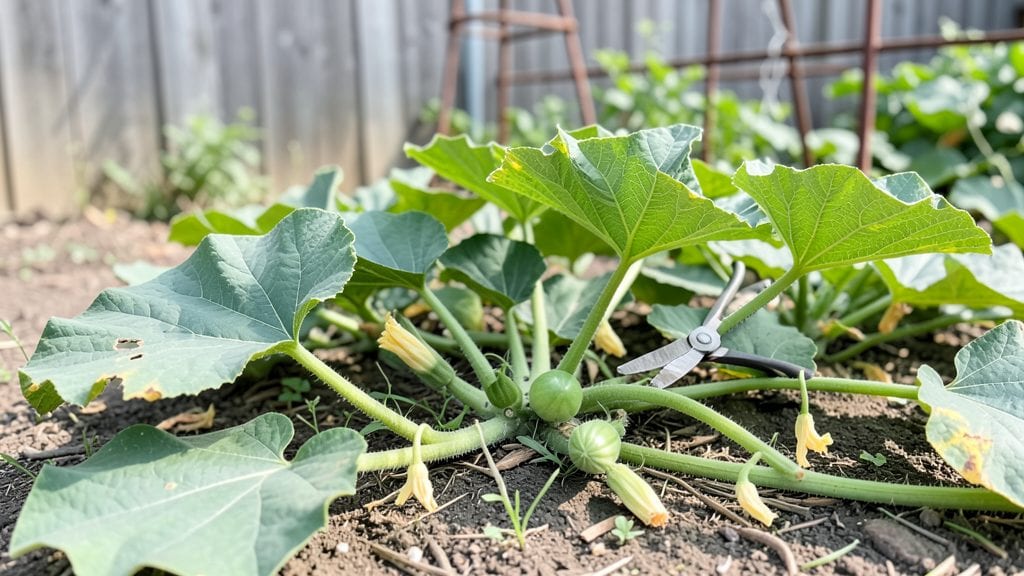
Picking squash from the plant at the right time ensures you get the sweetest, most flavorful harvest—so let’s talk about the exact cues that tell you it’s ready to come off the vine.
Knowing exactly when to harvest squash can mean the difference between a tender, delicious vegetable and a tough, seedy disappointment. One wrong move, and you’re left with overripe squash that’s more pulp than payoff.
In Zone 6a, where spring planting kicks off after the last frost, timing matters even more. Summer squash like zucchini need to be picked when they’re still young and firm, while winter varieties like butternut should wait until their skin hardens and color deepens.
Below, I’ll walk you through the visual and tactile signs of perfect maturity, the best tools to use, and how to harvest without hurting your plant—so you can enjoy a perfect harvest all season long.
Signs of perfect squash maturity: what to look for before harvesting
Harvesting squash at the right time transforms your garden into a treasure trove of tender, flavorful produce. But how do you know when your zucchini, butternut, or acorn squash is truly ready? The key lies in observing three critical indicators: size, color, and skin texture.
Ignoring these signs often leads to overripe squash that’s tough, seedy, and less delicious—so let’s dive into what your squash is telling you.
First, check the size of your squash. Different varieties mature at different weights and lengths, but most summer squash (like zucchini) should reach 6-12 inches in length and 1-2 pounds in weight.
Winter squash, such as butternut or acorn, typically mature between 10-20 inches long and 3-10 pounds. If your squash is still small for its variety, it’s not ready yet—wait a few more days.
Next, examine the color and skin texture. A ripe squash will have a dull, matte finish rather than a shiny, waxy surface. The color should also deepen and become consistent across the entire fruit.
For example, yellow squash should turn a rich, golden hue, while zucchini might develop a darker green or mottled pattern. If the skin still looks glossy or patchy, it’s not time to harvest.
Now, here’s where many gardeners make a mistake: pressing the skin with your thumbnail. A ripe squash will have skin that resists gentle pressure—you shouldn’t be able to puncture it easily.
If your nail leaves a dent, the squash needs more time on the vine. This test is especially useful for summer squash varieties, which can quickly go from perfect to overripe.
Don’t overlook the stem and vine connection. As squash matures, the stem where it attaches to the vine will begin to dry out and harden. You might even notice a slight separation forming between the stem and the fruit.
This is nature’s way of signaling that it’s time to harvest before pests or disease take over. If the stem is still green and flexible, your squash isn’t ready yet.
One common pitfall is harvesting too late, which leads to bitter, fibrous squash with oversized seeds. On the flip side, picking too early results in underdeveloped fruit that lacks flavor and nutrients.
To avoid these mistakes, monitor your squash daily during peak growing season (typically July to September in most climates). Consistency is key—check for all three signs before deciding it’s time.
Here’s a pro tip: Weigh your squash if you’re unsure about size. A ripe squash will feel heavy for its size, thanks to its fully developed flesh and seeds. Lightweight squash often means it’s still filling out.
Balance this with the other indicators to make the best call. For example, a butternut squash should feel dense and substantial, not hollow or lightweight.
Seasoned gardeners also watch for visual cues from the vine itself. If you notice new flowers wilting or fewer blossoms forming, it’s a sign the plant is shifting its energy toward ripening existing fruit.
This is your cue to start checking squash daily for maturity. Conversely, if your vine is still producing plenty of new blooms, your current squash likely needs more time.
Finally, consider the variety-specific maturity timeline. Some squash, like zucchini or yellow squash, mature in as few as 45-55 days, while others, like acorn or pumpkins, take 80-100 days.
Keep a harvest calendar to track when you planted each variety—this helps you anticipate when to start looking for maturity signs. For example, if you planted butternut squash in early May, expect to harvest around mid-to-late August.
By mastering these visual and tactile indicators, you’ll never again miss the perfect moment to harvest. The result? Squash that’s sweet, tender, and packed with flavor—plus a vine that continues producing for weeks to come.
Now, let’s make sure you’re equipped with the right tools and techniques to harvest like a pro.
🌱