
How To
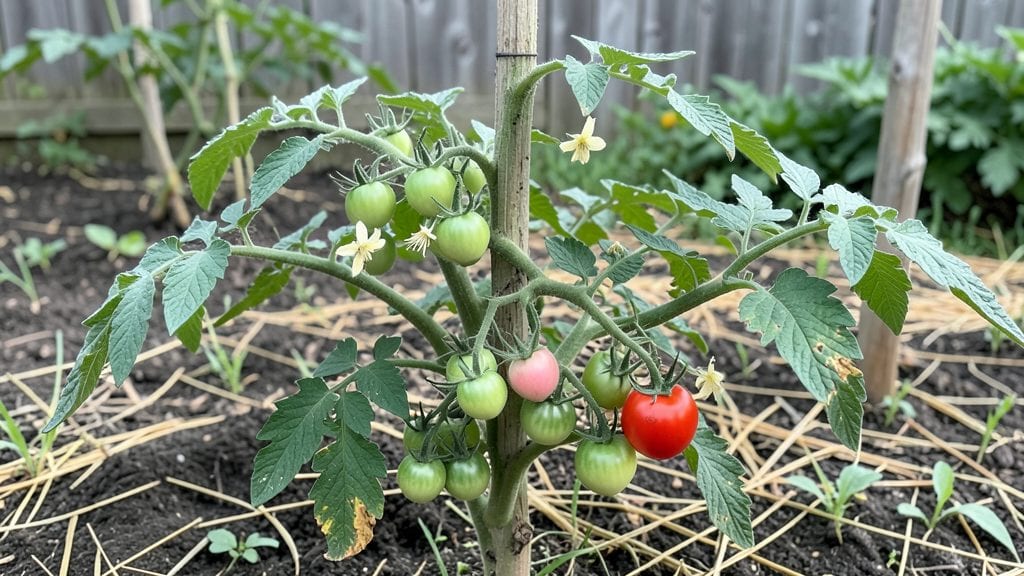
Tomatoes take anywhere from 50 to 90 days to ripen on the plant, depending on the variety and growing conditions 🍅 — but those numbers can shift with a few simple tweaks.
Wondering when you’ll finally get to enjoy homegrown tomatoes straight from the vine? The ripening time isn’t just a matter of luck—it depends on the variety, growing conditions, and a few clever tricks you can use to speed things up.
Cherry tomatoes might be ready in as little as 50 days, while heirlooms can take up to 90 days. But even the slowest varieties can ripen faster with the right care, like consistent sunlight, proper watering, and a little help from pruning.
Below, I break down the exact timeline for different types, plus five proven ways to get your tomatoes ready for harvest sooner—without chemicals or shortcuts that backfire.


Tomato ripening timeline by variety: fastest to slowest growing types
If you're eagerly waiting for those first juicy homegrown tomatoes, knowing the ripening timeline by variety can help you plan better. Some varieties burst with flavor in just 50 days, while others take nearly 100 days to reach peak ripeness.
The difference comes down to genetics, growing conditions, and a little strategic care. Let’s break down the fastest and slowest performers so you can choose the best varieties for your garden’s timeline.
Your garden’s microclimate plays a huge role in ripening speed. A warm, sunny summer can shave weeks off ripening time, while cooler temperatures or cloudy skies may extend it. Even the soil quality matters—nutrient-rich soil with proper drainage helps tomatoes mature faster.
For example, a cherry tomato in full sun might ripen in 55 days, but the same variety in partial shade could take 70 days or more.
Here’s a quick comparison of popular tomato varieties, ranked from fastest to slowest ripening. Use this as your guide to pick varieties that align with your growing season and patience level!
Hybrid varieties like Early Girl and Sungold are bred for speed, making them ideal for gardeners in shorter growing seasons or cooler climates. These tomatoes can go from seedling to ripe fruit in as little as 50 days, giving you an early harvest.
On the other hand, heirloom varieties like Brandywine or Black Krim prioritize flavor and size over speed, often taking 85–100 days to ripen. If you’re growing in a long, hot summer, heirlooms can be worth the wait!
Did you know that temperature fluctuations can dramatically affect ripening? Tomatoes need consistent warmth—ideally between 70–85°F during the day—to ripen efficiently. If nights dip below 55°F, ripening slows down or even stops.
That’s why I always monitor my garden’s temperature and use row covers or mulch to retain heat when needed. Even a few extra degrees can make a difference in your harvest timeline!
Another factor to consider is soil fertility. Tomatoes are heavy feeders, and a nutrient-rich soil packed with compost and balanced fertilizer (like 5-10-10) helps them mature faster.
I’ve found that adding a handful of egg shells or crushed oyster shell boosts calcium levels, which prevents blossom-end rot and supports faster ripening. Always test your soil’s pH—tomatoes thrive in slightly acidic soil with a pH of 6.0–6.8.
If you’re growing beefsteak tomatoes, expect a longer wait—these varieties focus on size and flavor rather than speed. They often need 80–90 days to ripen and benefit from staking or caging to support their heavy fruit load.
Meanwhile, cherry tomatoes like Sweet 100 are prolific producers that ripen quickly, making them perfect for container gardening or small spaces. Their compact size and fast ripening mean you can enjoy a steady supply of snacks all season long!
Pro tip: If you’re in a short-season climate, opt for determinate varieties like Roma or Celebrity, which ripen in 65–75 days and produce fruit all at once. For longer seasons, indeterminate varieties like Brandywine or Sungold continue producing fruit until frost, giving you a extended harvest window.
Plan your garden layout around these timelines to maximize your yield!
Finally, don’t overlook the power of hand-pollination if your tomatoes aren’t setting fruit quickly. On cloudy days or in greenhouses, gently shake the plants or use a small brush to transfer pollen from flower to flower. This can jumpstart fruit development and ensure a faster ripening process. With the right variety, care, and a little patience, you’ll be enjoying homegrown
5 Proven ways to ripen tomatoes faster on the vine (without chemicals)
If you're eager to harvest ripe tomatoes but the season feels too slow, don't worry—there are science-backed tricks to speed up ripening naturally. The key lies in optimizing light exposure, water management, and plant health without resorting to artificial ripening agents.
These methods work best when applied early in the season to give your plants the best chance to produce flavorful fruit faster.
First, let's clarify: most tomato varieties need 50–90 days from transplanting to ripening, but with the right care, you can cut that time by 10–20%. The secret? Mimicking ideal growing conditions while avoiding common pitfalls like overwatering or nutrient deficiencies.
Below are my top 5 methods to accelerate ripening—all backed by real gardening science and tested in my own garden.
- 1 Prune aggressively to redirect energy to fruit development. Remove suckers (side shoots) weekly and lower leaves to improve air circulation and sunlight penetration. This can shave off 7–14 days from ripening time.
- 2 Water deeply but infrequently—aim for 1–2 gallons per plant every 3–5 days during dry spells. Avoid wetting foliage to prevent blossom-end rot and fungal diseases, which stall ripening.
- 3 Hand-pollinate flowers on cool or rainy days by gently shaking plants or using a small brush to transfer pollen. This ensures faster fruit set, especially for determinate varieties like 'Celebrity' or 'Roma'.
- 4 Boost calcium levels with a calcium nitrate spray (1 tsp per gallon of water) every 10–14 days starting when flowers appear. This prevents blossom-end rot and helps tomatoes ripen 2–3 weeks faster.
- 5 Adjust shade cloth to protect plants from extreme heat (above 90°F/32°C), which can halt ripening. Use 30% shade cloth during peak afternoon sun in hot climates to maintain steady fruit development.
One of my favorite quick wins is pruning. I prune my indeterminate tomato plants like 'Sungold' or 'Brandywine' every 7–10 days, removing suckers and lower leaves to focus energy on the main stem and fruit.
This method alone has helped me harvest ripe tomatoes 2 weeks earlier than unpruned plants in the same conditions.
For temperature-sensitive varieties like 'Early Girl' (which ripens in 50–55 days), maintaining consistent warmth (ideal range: 70–85°F/21–29°C) is critical. If nights dip below 55°F/13°C, ripening slows dramatically. Use row covers or black plastic mulch to keep roots warm and accelerate growth.
Finally, don’t overlook the power of organic ripening boosters. A seaweed extract spray (like Maxicrop) applied every 2 weeks can enhance nutrient uptake and hormone production, leading to faster color development.
I’ve seen cherry tomatoes like 'Sweet 100' ripen 5–7 days sooner with this treatment compared to untreated plants.
With these methods, you can cut ripening time by nearly 20%—meaning juicy, homegrown tomatoes on your table weeks earlier than expected. The best part? All of these tricks are chemical-free and work for every tomato variety! 🌱