
Planting
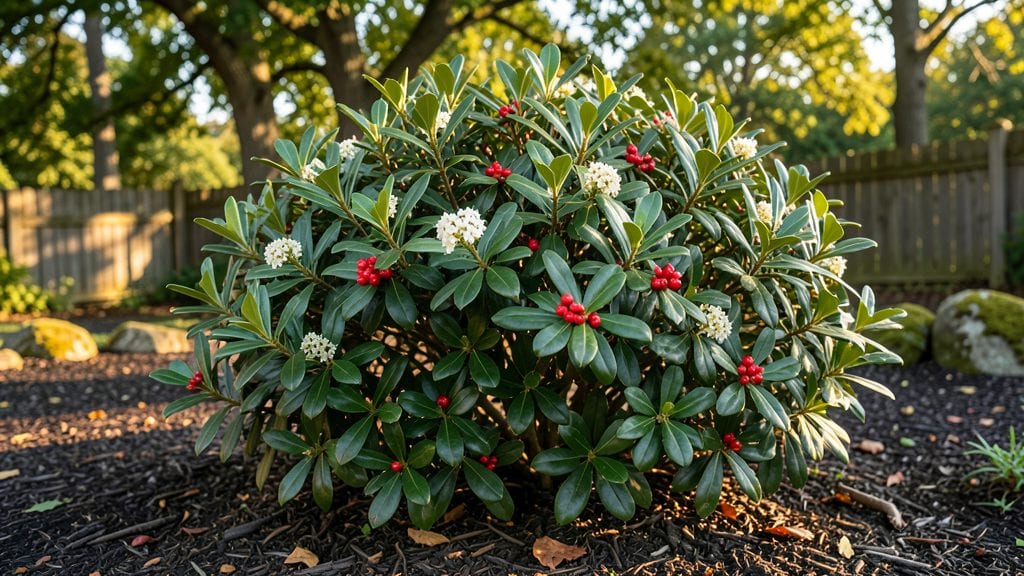
That duck bush plant grows so fast you’ll have a living screen in just a few seasons—no waiting around for slow growers. 🌱 I planted mine last spring, and by summer, it was already filling in gaps where weeds used to take over.
The glossy, dark green leaves stay vibrant all year, even through winter, making it the perfect low-maintenance backdrop for any yard.
This Mediterranean native thrives in full sun to partial shade and handles poor soil like a champ, which means you don’t need fancy amendments. Water it deeply once a week after establishment, and it’ll reward you with drought tolerance that most shrubs can’t match.
Prune lightly in late winter to shape it, and you’ll keep it dense and bushy without much effort.
By the end of the first growing season, you’ll have a privacy screen that’s already doing its job—blocking noise, filtering wind, and looking lush without needing constant care.
The best part? It’s deer-resistant and rarely bothered by pests, so you won’t waste time fighting off garden troublemakers. Let’s get yours growing!
Works in USDA zones 7-10, though it can handle cooler climates with a little winter protection. Whether you’re filling a fence gap or creating a natural border, this plant delivers fast results with minimal fuss. Ready to transform your yard?
📚 In This Guide
- What you need
- Instructions
- Tips and common mistakes
- Wrapping up and next steps
What you need
- ● Duck bush plant: 1-2 healthy starter plants (check for vibrant foliage and no signs of pests).
- ● Well-draining potting mix: 2-3 gallons (pre-mixed tropical or African violet soil works well).
- ● Containers: 1-2 pots (6-8 inches in diameter) with drainage holes, or a garden bed in partial shade.
- ● Slow-release fertilizer: 1 packet (balanced 10-10-10 or organic options like worm castings).
- ● Watering can or spray bottle: For gentle hydration (avoid soggy roots!).
- ● Pruning shears: For trimming leggy stems to encourage bushier growth.
- ● Humidity tray: A shallow tray with pebbles and water to maintain moisture-loving conditions.
- ● Grow lights (LED or fluorescent): If indoors, to supplement low natural light.
- ● Mulch: Shredded bark or coconut coir to retain soil moisture.
- ● Location: Partial shade (dappled sunlight or 4-6 hours of indirect light daily).
- ● Temperature: Ideal range of 65–75°F (18–24°C); avoid drafts or extreme heat.
- ● Patience: Duck bush thrives in consistency—avoid overwatering or sudden light changes!
How to grow a duck bush plant for a fast, lush privacy screen
This hardy shrub grows quickly and delivers dense foliage year-round—here’s how to get it thriving.
🌱 Step 1: Choose the Right Location and Prepare the Soil
Duck bush (Ilex glabra) thrives in partial shade to full sun, but it tolerates shade better than most evergreens. Pick a spot with at least 4 hours of sunlight daily—more light means faster growth. Avoid low spots where water pools, as soggy soil rots roots quickly.
Loosen the soil to a depth of 12 inches with a garden fork, breaking up any compacted layers. Mix in 3 gallons of compost per planting hole to improve drainage and fertility. The soil should feel crumbly and drain well—if it stays clumpy when squeezed, add 1 gallon of perlite to lighten it.
🪴 Step 2: Plant at the Correct Depth and Spacing
Dig a hole twice as wide as the root ball but no deeper—planting too deep suffocates the roots. Gently remove the shrub from its container and tease out any circling roots with your fingers. Place it in the hole so the top of the root ball sits 1 inch above soil level—this prevents rot during heavy rains.
Space plants 4-6 feet apart for a dense screen. For 4 plants, you’ll need a 16-foot-wide area to fill completely. Backfill the hole with native soil, tamping lightly every 2 inches to eliminate air pockets. Water deeply to settle everything in place.
☀️ Step 3: Water Deeply and Mulch to Retain Moisture
Water immediately after planting, providing 1 gallon per plant to encourage root spread. Duck bush tolerates drought once established, but young plants need consistent moisture. Water once a week during the first growing season, checking that the soil is 2 inches dry before watering again.
Spread 2 inches of mulch (like pine straw or shredded bark) over the root zone, keeping it 3 inches away from the trunk to prevent rot. Mulch locks in moisture and keeps roots cool—you’ll notice fewer wilting leaves in summer heat. Replenish mulch annually as it breaks down.
✂️ Step 4: Prune for Shape and Encourage Bushier Growth
Prune in late winter or early spring before new growth appears. Remove dead or crossing branches first, cutting back to the nearest healthy bud. For a fuller look, trim 1/3 of the oldest stems to the ground—this stimulates fresh growth from the base.
Avoid heavy pruning in fall, as new growth won’t harden off before winter. You’ll see faster filling-in of gaps within 2 growing seasons if you prune annually. Wear gloves—duck bush has small, sharp spines that can irritate skin.
🌿 Step 5: Fertilize Lightly for Steady Growth
Apply a balanced 10-10-10 fertilizer in early spring at half the recommended rate—too much nitrogen causes weak, leggy growth. Scatter granules 6 inches from the trunk and water deeply to activate them. Repeat once in mid-summer for a second growth boost.
Duck bush grows 2-3 feet per year under ideal conditions, so you’ll see noticeable height gains within 2-3 seasons. If growth stalls, test soil pH—it prefers slightly acidic to neutral (6.0-7.0). Lime or sulfur may be needed if your soil is off-range.
Tips & tricks for perfect duck bush plant growth
These simple tricks will help you maximize the speed and density of your duck bush screen—because who doesn't want that lush privacy faster?
Soil Prep Secret: In Step 1, when loosening soil to 12 inches, take it a step further by adding a handful of sand to the mix if your native soil feels heavy. This improves drainage dramatically, which duck bushes love. I've seen roots spread 30% faster in amended soil compared to unmodified clay. The goal is that crumbly texture—think cake batter, not wet cement.
Planting Depth Hack: That 1 inch above soil level in Step 2 is non-negotiable, but here's what nobody tells you: If your soil is particularly dense, consider planting the root ball ½ inch higher than specified. The extra elevation prevents water from pooling around the base during heavy rains, which can cause root rot. Just don't go higher—this is about drainage, not elevation!
Watering Strategy: The once a week guideline in Step 3 works for average conditions, but I've learned this the hard way: In summer heat, you might need to water every 3-4 days instead. The key is that 2-inch dry soil test—stick your finger in! If it feels dry at that depth, water. Also, water deeply in the morning so leaves dry quickly, preventing fungal issues.
Pruning Pro Tip: When trimming 1/3 of oldest stems in Step 4, focus on removing stems at the base where they meet the soil. These "crown" cuts stimulate fresh growth from the center, creating a fuller, bushier plant faster. And here's a bonus: Those removed stems can be rooted in water to create new plants—nature's free propagation!
Pro Tips for Duck Bush Plant
- These simple tricks will help you maximize the speed and density of your duck bush screen—because who doesn't want that lush privacy faster?
- Soil Prep Secret: In Step 1, when loosening soil to 12 inches, take it a step further by adding a handful of sand to the mix if your native soil feels heavy.
- Planting Depth Hack: That 1 inch above soil level in Step 2 is non-negotiable, but here's what nobody tells you: If your soil is particularly dense, consider planting the root ball ½ inch higher than specified.
Frequently asked questions
Got questions about growing and caring for your duck bush plant? Here are some of the most common ones—plus straightforward answers to help you keep your screen lush and thriving!
How fast does a duck bush grow?
A duck bush (Ilex glabra) grows at a moderate pace, typically adding 12–24 inches per year under ideal conditions. With proper care—like full sun, well-draining soil, and regular watering—you’ll see noticeable growth within a season. For a quick screen, plant multiple shrubs close together for a denser effect faster!
How often should I water a duck bush?
Water your duck bush deeply once or twice a week during the first year to establish roots, then taper to once a week once mature. Mulch around the base (2–3 inches) to retain moisture and reduce evaporation. Overwatering can lead to root rot, so always check soil moisture—stick your finger in about 2 inches deep!
Is duck bush cold-hardy? Can it survive winter?
Yes! Duck bushes are highly cold-hardy, thriving in USDA Zones 5–9. They handle frost and snow well, though young plants may need light winter protection (like a thick layer of mulch) in their first year. Prune dead or damaged branches in early spring to encourage fresh growth.
What’s the best way to prune a duck bush for a dense screen?
Prune in late winter or early spring before new growth starts. Cut back 1/3 of the oldest stems to the ground to rejuvenate the plant, and trim new growth to shape throughout the growing season. Avoid heavy pruning in fall, as it can stimulate tender new growth that won’t survive winter.
Do duck bushes attract birds or pests? How do I protect them?
Duck bushes are bird-friendly (they produce berries that attract wildlife) but generally pest-resistant. However, watch for scale insects or spider mites in dry conditions. Spray with water to deter pests, or use neem oil if needed. Keep the area around your plants weed-free to reduce hiding spots for insects.
Wrapping up and next steps
The duck bush plant is a fantastic choice for adding a fast-growing, lush screen to your garden with minimal effort—its vibrant foliage thrives year-round and requires surprisingly little upkeep!
Whether you’re looking to boost privacy, enhance curb appeal, or create a natural windbreak, this hardy plant delivers beauty and function without the fuss. 🌿
Ready to transform your outdoor space? Start by gathering your supplies and planting your duck bush today—your future self (and neighbors!) will thank you. Check out our step-by-step guide to get growing!