Planting
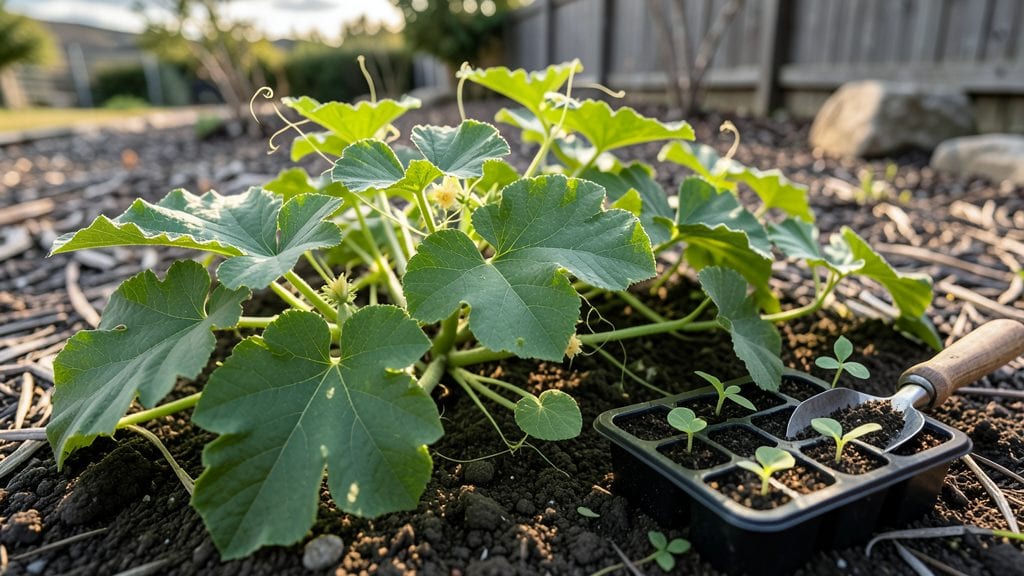
The right watermelon planting depth 🍉 is the difference between fast germination and weeks of waiting—or worse, seeds that never sprout.
Struggling to grow watermelons that thrive from seed? The secret isn’t just in the soil—it’s in how deep you plant those seeds. Get it wrong, and you’ll face slow germination or weak vines. But master this critical step, and you’ll unlock fast-growing, high-yield watermelon plants every season.
Most gardeners plant watermelon seeds too deep, thinking they’ll protect them from drying out. But the truth is, these tropical vines need warmth and air to break through the soil quickly.
In Zone 6, where spring nights can still dip, planting too shallow risks exposure, while going too deep delays germination by days—or even weeks.
Below, I’ll break down the exact depth for seeds vs. transplants, how soil type and climate tweak those numbers, and the one pro trick that guarantees consistent sprouts even in cool springs.
Optimal watermelon seed planting depth by seed type (seeds vs. transplants)
Watermelon seeds need the perfect planting depth to germinate quickly and grow strong. Whether you're starting with direct-seeded watermelons or transplanting seedlings, the depth makes all the difference. Too deep, and your seeds may rot; too shallow, and they’ll dry out before sprouting.
Let’s break down the best practices for each method to ensure your watermelons get off to a flying start.
The key to successful watermelon planting lies in understanding how seed size and soil conditions interact. For direct-seeded watermelons, the general rule is to plant seeds 1 to 2 inches deep in well-drained soil. This depth balances moisture retention and air circulation, creating ideal conditions for germination.
Meanwhile, transplanting seedlings requires a slightly shallower approach—typically ½ to 1 inch deep—to avoid disturbing the delicate root systems already in place.
| Planting Method | Depth | Soil Temperature | Germination Time | Key Consideration |
|---|---|---|---|---|
| Direct-Seeded Watermelon Seeds | 1–2 inches | 70°F+ | 7–14 days | Balances moisture and air |
| Transplanted Seedlings | ½–1 inch | 65°F+ | 3–7 days | Minimizes root disturbance |
Soil temperature plays a pivotal role in watermelon germination. For direct-seeded watermelons, the soil must reach at least 70°F for optimal results. If your soil is cooler, consider using black plastic mulch to warm it faster.
Transplanted seedlings, on the other hand, can tolerate slightly cooler soils (65°F+) but still benefit from a warm environment to establish quickly.
Timing is everything when it comes to germination. Direct-seeded watermelons typically sprout within 7 to 14 days, depending on soil conditions and seed quality. Meanwhile, transplanted seedlings often show signs of new growth in just 3 to 7 days because they’ve already begun developing roots.
To speed up the process, keep the soil consistently moist but not waterlogged, as excess moisture can suffocate seeds and seedlings.
If you’re planting in sandy soil, you might need to adjust your depth slightly deeper (2 inches) to retain moisture. Conversely, in clay-heavy soil, shallow planting (½ inch) can prevent waterlogging.
Always loosen the soil before planting to improve drainage and root penetration. For best results, aim to plant watermelons after the last frost date when the soil is warm and the risk of frost has passed.
For direct-seeded watermelons, use a small hand trowel or your finger to create a hole at the correct depth. Place 2 to 3 seeds per hole and cover them lightly with soil. This ensures at least one seed will germinate successfully.
For transplanted seedlings, dig a hole just deep enough to cover the root ball while keeping the stem slightly above soil level to prevent rot.
After planting, water gently to settle the soil around the seeds or seedlings. Avoid overwatering, as this can displace seeds or drown young roots. Instead, maintain even moisture by watering early in the morning to allow excess water to evaporate during the day.
Mulching around the base of the plants can also help regulate soil temperature and retain moisture, creating an ideal environment for growth.
Once your watermelon seeds sprout, thin the seedlings to leave only the strongest plant per hole. This reduces competition for nutrients and ensures healthier growth.
For transplanted seedlings, monitor their progress closely and provide support if needed, such as small stakes or cages, to help them establish strong vines early on.
With the right planting depth and care, your watermelons will germinate quickly and grow into robust plants ready to produce juicy fruit. Whether you’re a beginner or a seasoned gardener, mastering this step will set the foundation for a bountiful harvest. Happy planting!
🌱How soil type and climate affect watermelon planting depth adjustments
Your watermelon seeds need the perfect planting depth to thrive, but soil type and climate can change everything. In sandy soil, seeds need extra depth to stay moist, while clay soil demands shallower planting to prevent rot.
Even your local climate plays a role—dry regions need adjustments to conserve moisture, while humid areas require deeper planting to avoid surface drying. Let’s break down the science so you can plant with confidence.
First, understand that soil texture directly impacts moisture retention and oxygen flow. Sandy soil drains too quickly, so planting watermelon seeds 1.5–2 inches deep helps them stay hydrated until germination. Meanwhile, clay soil, which holds too much moisture, needs seeds planted just ½–1 inch deep to avoid suffocation.
These adjustments prevent rot or poor germination, ensuring strong, healthy vines from the start.
Watermelon Planting Depth by Soil & Climate
- Sandy Soil: Plant 1.5–2 inches deep to retain moisture and prevent seeds from drying out too quickly.
- Loamy Soil: Ideal depth is 1 inch deep—balanced moisture and drainage for consistent germination.
- Clay Soil: Plant ½–1 inch deep to avoid waterlogging and seed rot from poor drainage.
- Dry Climates: Go slightly deeper (1.5 inches) to protect seeds from rapid evaporation.
- Humid Climates: Plant shallower (½ inch) to prevent fungal growth and surface mold.
- Northern Gardens: Use mulch after planting to insulate seeds from cold soil and extend the growing season.
- Southern Gardens: Plant 1–1.5 inches deep and water deeply to combat heat stress and drought.
Climate also dictates how you fine-tune planting depth. In drought-prone areas, like the Southwest U.S., planting 1.5 inches deep helps seeds access moisture from deeper soil layers.
Meanwhile, in humid regions, such as the Southeast, shallower planting (½ inch) reduces the risk of seed rot from excess moisture. Even soil temperature matters—warmer climates speed up germination, so deeper planting can help seeds stay cool until they sprout.
Don’t overlook the role of mulching after planting. A 2–3 inch layer of straw or shredded leaves helps regulate soil temperature and moisture, whether you’re in clay-heavy soil or a sandy desert garden.
For Northern gardens, mulch also protects young seedlings from late frosts. In Southern climates, it shields seeds from extreme heat, ensuring steady germination even during summer planting.
Pro tip: Test your soil’s moisture retention before planting. Dig a small hole, add water, and observe how quickly it drains. If water disappears in seconds, you’ve got sandy soil—go deeper.
If it pools for hours, you’re in clay territory—plant shallower. This simple check saves you from guessing and ensures your watermelon seeds get the perfect start.
Adjusting planting depth based on soil type and climate isn’t just about following rules—it’s about giving your plants the best chance to thrive. With these adjustments, you’ll see faster germination, stronger vines, and bigger harvests. Now grab your trowel and plant with confidence!