
Aphids
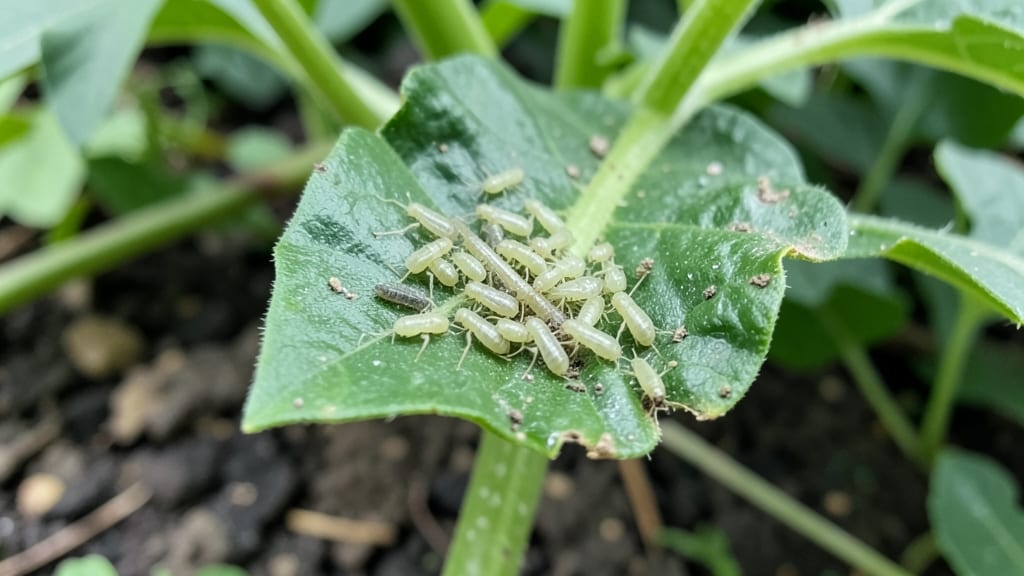
Aphids on jalapeno plants turn your spicy harvest into a sticky, curled mess before you even get to taste those peppers. 🌱 I’ve battled these tiny sap-suckers through three growing seasons, and I’ve learned which methods actually work without poisoning your crop—or your dinner plate.
The key is acting fast before they multiply into an unmanageable colony.
Most gardeners grab the nearest spray, but that’s a mistake—aphids build resistance quickly, and you’ll end up with more problems than you started.
Instead, I rely on a three-step system: disrupt their life cycle with a strong blast of water, introduce natural predators like ladybugs, and finish with a neem oil spray that stops them from returning. It’s not instant, but it’s effective and won’t leave chemical residue on your peppers.
By the time you’re done, your jalapenos will be thriving again—no more sticky leaves, no more curled buds, and no more aphids hitching a ride to your next harvest.
The best part? This method works just as well on bell peppers, tomatoes, and other garden favorites. Let’s get those plants back in fighting shape.
Fair warning: if you wait until the aphids are everywhere, you’ll need a stronger approach. But catching them early means you can skip the harsh chemicals entirely. Here’s how to spot them before they take over—and how to kick them out for good.
Root Causes of Jalapeno Aphid Infestations
Aphids don’t just randomly appear on your jalapeño plants—they’re drawn by specific conditions that make your peppers an all-you-can-eat buffet. Understanding these triggers is the first step to stopping them before they multiply. Below, we break down the key reasons aphids target your jalapeños, backed by science and practical insights.
Aphids are like opportunistic pests—they zero in on plants that are already struggling. When your jalapeños are nutrient-deficient, overcrowded, or diseased, their weakened state makes them irresistible. Here’s why:
- Nutrient Deficiency: Plants low in nitrogen or phosphorus produce softer, sweeter sap, which aphids adore. Aphids’ saliva contains enzymes that break down plant cells, but they prefer plants already stressed by poor soil health.
- Overcrowding: Dense foliage traps humidity, creating a microclimate that aphids thrive in. Poor air circulation also slows down natural predators like ladybugs and lacewings, giving aphids free rein.
- Disease or Pest Damage: If your jalapeños have been previously attacked by spider mites, whiteflies, or fungal infections, the resulting honeydew residue (a sticky aphid byproduct) can attract more aphids. It’s a vicious cycle!
Actionable Fix: Ensure your jalapeños get a balanced fertilizer (high in nitrogen early in growth, then potassium for resilience). Space plants 18–24 inches apart for airflow, and remove any yellowing or diseased leaves immediately.
Aphids have a chemical radar for plants producing high levels of sugary sap, especially in new growth. Jalapenos are no exception—here’s the science:
- High Sugar Content: Young leaves and stems contain more soluble sugars, which aphids detect using their antennae. Studies show aphids prefer plants with 10–15% sugar content in their phloem sap.
- Soft Tissue: New growth is less lignified (woody), making it easier for aphids to pierce with their stylets (mouthparts). Older leaves are tougher and less appealing.
- Hormonal Triggers: Some plants release volatile organic compounds (VOCs) when stressed, signaling aphids to land. Jalapenos, like many peppers, can emit these signals if they’re overwatered or root-bound.
Actionable Fix:
- Prune new growth regularly to reduce aphid feeding sites (but avoid over-pruning, which stresses the plant).
- Use a reflective mulch (like aluminum foil) around the base—aphids are repelled by the light reflection, which disrupts their landing patterns.
- Avoid over-fertilizing with nitrogen late in the season, as it encourages soft, sugary growth.
Aphids reproduce exponentially—a single female can birth 80 offspring in a week—but they’re not invincible. Their populations explode when their natural enemies are missing. Here’s why this happens:
- Pesticide Overuse: Broad-spectrum chemical pesticides (like neonicotinoids or pyrethroids) kill both aphids and their predators, including ladybugs, lacewings, and parasitic wasps. Without these, aphids multiply unchecked.
- Monoculture Gardening: Planting only jalapeños (or other peppers) creates a aphid paradise with no diversity. Predators like hoverflies need a mix of plants to thrive.
- Seasonal Timing: Aphids peak in spring and early summer, but their predators (like lacewings) may still be dormant or slow to arrive. This mismatch gives aphids a head start.
Actionable Fix:
- Encourage biodiversity: Plant companion plants like marigolds, dill, or basil near your jalapeños—they attract predatory insects.
- Install beneficial insect habitats, such as a small water source (a shallow dish with pebbles) or native plants like yarrow, which lacewings love.
- Switch to targeted organic sprays (like neem oil or insecticidal soap) that kill aphids without harming predators.
Aphids are weather-sensitive, and certain conditions make your jalapeños a magnet for infestations. Here’s how climate plays a role:
| Weather Factor | Why Aphids Love It | How to Counteract |
|---|---|---|
| Warm, Dry Air | Aphids thrive in 60–80°F temperatures and dry conditions because their natural enemies (like ladybugs) struggle in heat. | Use shade cloth (30–50%) to reduce heat stress on plants and attract moisture-loving predators. |
| High Humidity | Humidity slows down aphid reproduction but traps them on plants longer, making them harder to remove. It also spreads honeydew-borne mold. | Improve air circulation with fans or strategic pruning to dry leaves faster. |
| Sudden Temperature Drops | Cool nights followed by warm days stress plants, increasing sap sugar levels—aphid catnip! | Mulch with straw or wood chips to regulate soil temperature and reduce shock. |
Pro Tip: 🌡️ Monitor your local degree-day accumulation (a measure of heat units). Aphids become active when temps reach 100–200 degree-days (base 50°F). Plan preventive sprays before this threshold.
By addressing these root causes—plant health, growth stage, predator balance, and weather—you’ll disrupt aphids’ ability to colonize your jalapeños. The key is proactive care, not just reactive sprays. Stay tuned for our next section on organic removal methods that keep your peppers—and your harvest—safe!
Quick Fixes for Pepper Pests
Aphids on your jalapeño plants can feel like a tiny, sticky nightmare—but don’t let them derail your harvest! 🚀 The good news? You can tackle these sap-sucking pests organically and effectively without harsh chemicals.
Below, we’ve mapped out practical solutions based on the root causes (from the previous section) and paired them with prevention tips to keep your plants thriving. Let’s roll up our sleeves and get those jalapeños back to their spicy best!
Aphids love weak, crowded plants—so give your jalapeños room to breathe and fight back!
Fix It:
- 🌱 Prune for airflow: Snip away overcrowded leaves or suckers (new growth at the stem base) to improve circulation. Aim for 6–12 inches of space between plants.
- 💧 Hydrate deeply: Water at the base (not the leaves) early in the day to reduce stress. Aim for 1–1.5 inches per week, adjusting for rain.
- 🌿 Feed the soil: Mix in compost or worm castings around the base to boost root health. Avoid nitrogen-heavy fertilizers—they attract more aphids!
Prevent It: ✅ Space seeds properly at planting (follow package guidelines). ✅ Mulch with straw to retain moisture and deter weeds that harbor pests. ✅ Rotate crops yearly to break pest cycles.
That shiny, sticky mess isn’t just annoying—it’s aphid honeydew, which attracts mold and ants!
Fix It:
- 🧼 Blast off honeydew: Use a hose with a gentle spray nozzle to rinse leaves (especially undersides). Do this early morning so foliage dries quickly.
- 🍯 Trap ants: Ants "farm" aphids for honeydew! Place borax or diatomaceous earth barriers around the base (ants avoid these).
- 🌿 Introduce predators: Ladybugs, lacewings, and parasitic wasps love aphids. Buy them online or attract them with neem oil sprays (see below).
Prevent It: ✅ Remove fallen leaves/debris weekly to eliminate hiding spots. ✅ Use reflective mulch (like aluminum foil) to confuse aphids. ✅ Plant companion herbs (basil, marigolds, or dill) to repel pests naturally.
If aphids are swarming, it’s time for targeted action—but skip the chemicals!
Fix It:
| Method | How to Use | Best For |
|---|---|---|
| 🌿 Neem Oil Spray | Mix 1 tsp neem oil + 1 tsp dish soap + 1 quart water. Spray every 5–7 days. | All life stages (eggs, nymphs, adults) |
| 🍋 Garlic/Chili Spray | Blend 2 garlic cloves + 1 tbsp cayenne + 1 quart water. Strain and spray. | Deters and kills on contact. |
| 💦 Soap Spray | 1 tbsp castile soap per quart water. Spray directly on aphids (avoid flowers). | Fast knockdown (reapply in 3 days). |
| 🌱 Insecticidal Soap | Follow label rates (e.g., Safer® Brand). Spray early morning on calm days. | Organic, OMRI-listed option. |
Pro Tip: 💡 Rotate methods to prevent resistance. Always test sprays on a small leaf first!
Prevent It: ✅ Spray preventive neem oil every 2 weeks during growing season. ✅ Remove heavily infested leaves (bag and compost them far from the garden). ✅ Use row covers early in the season to block aphids entirely.
The best "pesticide" is a healthy, balanced ecosystem. Here’s how to future-proof your jalapeños!
Fix It:
- 🌱 Choose resistant varieties: Some jalapeños (like ‘Early Jalapeño’ or ‘Carolina Reaper’) are less aphid-prone. Check seed catalogs!
- 🌿 Interplant with repellents: Surround jalapeños with basil, onions, or garlic to mask their scent.
- 🐝 Support pollinators: Bees and predatory insects outcompete aphids. Plant sunflowers or alyssum nearby.
Prevent It: ✅ Start seeds indoors and harden off slowly to reduce transplant shock. ✅ Monitor daily (check undersides of leaves!)—catch infestations early. ✅ Rotate crops with non-pepper plants (like beans or tomatoes) to disrupt aphid life cycles.
Final Pep Talk: 🎯 Aphids are annoying but beatable—and your jalapeños will thank you! Start with one or two methods from above, then layer in prevention. Within 7–10 days, you’ll see a dramatic turnaround. Now go forth and save that harvest! 🌶️💥
Frequently asked questions
How do I know if my jalapeno plant really has aphids?
Aphids on jalapeno plants show up as tiny green, black, or brown insects clustered on new growth or leaf undersides. Look for curled leaves, sticky honeydew residue (like tiny raindrops), or ants trailing up the stems—those are classic signs. Use a magnifying glass to spot their telltale pear-shaped bodies.
Will neem oil harm my jalapenos if I spray it directly?
Neem oil is safe for jalapenos when used correctly—just avoid spraying flowers or fruit directly during blooming. The key is dilution: mix 1 teaspoon neem oil + 1 teaspoon mild soap per quart of water and apply in the early morning. Always test a small leaf first to check for sensitivity.
Can I still eat jalapenos from a plant with aphids?
Yes, but wash them thoroughly first! Aphids themselves aren't toxic, but their honeydew can attract mold. Rinse peppers with water and a drop of dish soap, then dry completely in sunlight. For extra peace of mind, harvest peppers from heavily infested plants first and treat the plant immediately.
Why do aphids keep coming back even after I treat them?
Persistent aphids usually mean one of three things: you're missing their hiding spots (check leaf undersides and stems), they've developed resistance to your treatment, or their natural predators (like ladybugs) aren't present. Rotate treatments (neem oil, soap spray, garlic spray) and introduce beneficial insects to break the cycle.
What's the fastest way to get rid of aphids on my jalapenos?
For immediate results, combine these three steps: 1) Blast aphids off with a strong water spray (especially undersides), 2) Apply insecticidal soap directly to clusters, and 3) Introduce ladybugs or lacewings. Repeat every 3-4 days until gone. The key is consistency—aphids reproduce quickly!