
Pests
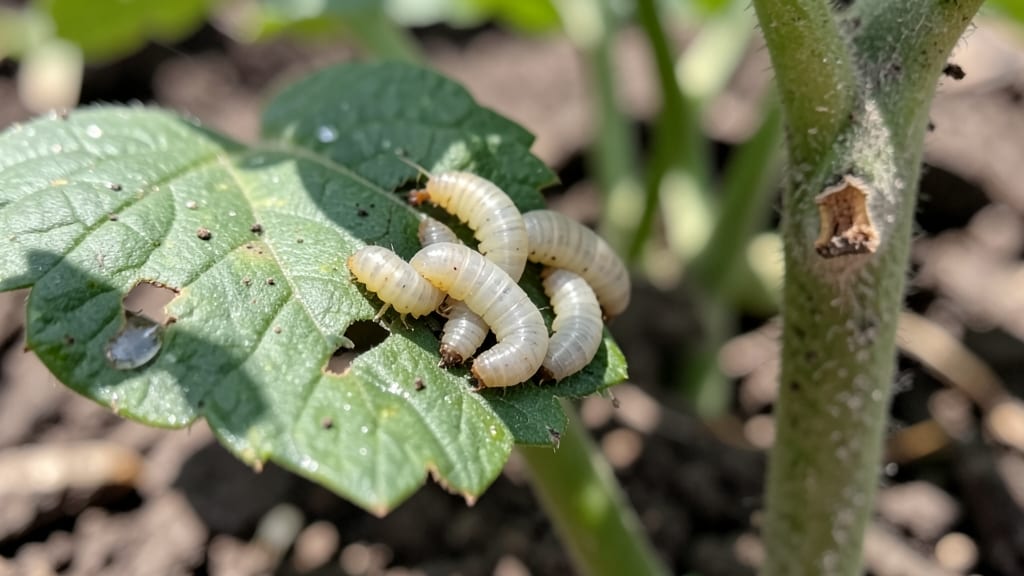
Worms eating my tomato plants turned my thriving vines into skeleton leaves overnight—until I discovered these simple, chemical-free barriers that actually work. 🌱 The culprits? Cutworms, rootworms, or slugs—all leaving behind telltale signs like chewed stems and silvery slime trails.
My first attempt with crushed eggshells bought me a week, but the real game-changer was combining copper tape and diatomaceous earth in a way that stopped them cold.
Here’s the thing—most "solutions" either fail or require toxic sprays you’ll regret using near edible plants. Instead, I focus on three foolproof layers: physical barriers (like collars around stems), organic repellents (garlic spray or coffee grounds), and habitat disruption (removing hiding spots under mulch).
The best part? These methods protect your plants without harming pollinators or your soil’s health. My tomato yields bounced back within two weeks of implementing this combo.
You’ll end up with plants that look like they’re from a catalog—vibrant green leaves, heavy fruit, and zero midnight snacking.
The key is acting fast when you spot the first signs (like notched leaves or missing sections of plants) and layering defenses so pests can’t exploit one weak spot. Trust me, your future self will thank you when you’re picking sun-ripened tomatoes instead of dealing with a worm buffet.
Works for container gardens, raised beds, or in-ground plots—just adjust the barrier materials based on what’s chewing your plants. Let’s get those tomatoes growing strong again!
Root Causes Behind Garden Invaders
If you’ve noticed your tomato plants looking ragged—chewed leaves, missing stems, or tunnels in the soil—worms and larvae are likely the culprits. But why do these pests target your tomatoes in the first place?
The answer lies in a mix of environmental factors, plant health, and the natural life cycles of these critters. Let’s break down the key reasons your garden has become an all-you-can-eat buffet for hungry worms.
Worms thrive in moist, nutrient-rich soil, and tomatoes—with their deep roots and lush foliage—provide the perfect conditions. Here’s why your soil might be inviting them:
- Overly moist or compacted soil: Worms like cutworms and grubs seek damp, soft soil to burrow into. If your garden retains too much water (from overwatering or poor drainage), it signals to pests that it’s an ideal nesting spot. Pro tip: Test your soil’s moisture by squeezing a handful—if water drips out, it’s too wet. 💡
- High organic matter: While compost is great for plants, too much can attract worms. Decaying plant material releases sugars that lure larvae, especially hornworms, which munch on tomato leaves. Balance is key—aim for well-aged compost, not fresh clippings. 🌡️
- Lack of beneficial microbes: Healthy soil teems with bacteria and fungi that naturally suppress harmful pests. If your soil is depleted (from over-farming or chemical use), worms move in unchecked. Action step: Add mycorrhizal fungi or worm castings to restore balance. ✨
Tomatoes under stress—whether from drought, disease, or poor nutrition—emit chemical signals that attract worms. These pests are drawn to plants that are already weakened, making them easier prey.
- Nutrient deficiencies: Plants low in nitrogen (a key nutrient for foliage) produce softer, more palatable leaves. Cutworms and slugs target these because they’re easier to digest. Fix it: Side-dress with blood meal or fish emulsion for a quick nitrogen boost. 💪
- Water stress: Drought-stressed tomatoes release volatile organic compounds (VOCs) that act like dinner bells to pests. Even slight dehydration can trigger this response. Solution: Water deeply 1–2 inches per week, focusing on the roots. 🥗
- Disease or damage: Fungal infections (like early blight) or insect bites create entry points for worms. For example, tomato fruitworms lay eggs in cracked or diseased fruit. Prevent it: Prune infected leaves and rotate crops to break pest cycles. 🔪
Worms don’t just appear randomly—they follow seasonal patterns and life stages that align with tomato growth. Understanding their schedules helps you predict and prevent attacks.
- Egg-laying peaks:
- Cutworms: Lay eggs in late spring/early summer, timing them with young tomato seedlings. Stop them: Use collars around stems or handpick eggs at dusk. 🌙
- Hornworms: Adult moths deposit eggs on tomato plants in June–July, hatching into ravenous caterpillars. Monitor: Check undersides of leaves weekly. 🔍
- Overwintering survivors: Some worms (like grubs) burrow deep in fall and emerge when soil warms in spring. Solution: Till or solarize soil in early spring to expose and kill overwintering pests. ☀️
- Nocturnal feeding: Many worms (e.g., slugs, cutworms) hide during the day and strike at night. Action: Set up beer traps or use nighttime flashlights to spot and remove them. 🌙
Your tomato plants aren’t isolated—they’re part of a larger garden ecosystem. What’s growing nearby (or even far away) can influence worm activity.
- Attracting beneficial insects: While ladybugs and lacewings control pests, their larvae sometimes also eat tomato worms. Planting dill, fennel, or marigolds nearby can attract these predators—but monitor their populations to avoid unintended damage. 🐞
- Weeds as worm magnets: Many weeds (like nightshade or purslane) host worm eggs or provide shelter. Remove them: Pull weeds 2–3 feet around tomato plants to reduce hiding spots. 🌱
- Wildlife corridors: Birds and mammals (like raccoons) dig up grubs, but they also spread worm eggs via their droppings. Mitigate: Use chicken wire around beds or encourage natural predators like toads. 🦎
By addressing these root causes—soil health, plant stress, pest life cycles, and ecosystem balance—you’ll disrupt the conditions that make your tomatoes a worm smorgasbord. The next step? Natural barriers to keep them away.
Fixing Worm Damage in Tomato Plants
Now that you know what’s munching on your tomatoes, it’s time to take action! The good news is that most worm-related tomato troubles can be solved with natural, garden-friendly fixes—no harsh chemicals required.
Below, we’ll break down the best solutions based on the culprit, along with prevention tips to keep your plants thriving.
🔥 Problem: These caterpillars chew through stems at soil level, toppling young plants overnight. 🍳 Fix:
- Collar Method: Wrap the base of each stem with a cardboard or aluminum foil collar (cut to 2–3 inches tall). This creates a barrier they can’t crawl over. 🔪 Pro tip: Secure it tightly with tape or twist ties.
- Neem Oil Spray: Mix 1 tsp neem oil + 1 tsp mild soap + 1 quart water, then spray on leaves and soil. Reapply every 5–7 days. 🌿 Why it works: Disrupts their feeding and growth.
- Handpick at Night: Shine a flashlight after dusk—cutworms hide near the base of plants. Drop them in soapy water. ⏰ Best time: Early evening when they’re most active.
💡 Prevention:
- Plant Basils or Marigolds: These repel cutworms naturally.
- Mulch Lightly: Avoid thick mulch, which gives cutworms hiding spots.
- Encourage Birds: Install a bird feeder nearby—birds love eating cutworms!
🔥 Problem: These 3–4 inch green monsters devour leaves, flowers, and fruit in hours. 👨🍳 Fix:
- Hand Removal: Spot one? Squish it immediately (wear gloves—some gardeners find them gross!). 🔪 Check both sides of leaves for camouflaged eggs.
- Parasitic Wasps: Introduce braconid wasps (tiny, harmless to humans). They lay eggs in hornworms, killing them from within. ✨ How to attract: Plant dill, fennel, or parsley nearby.
- BT (Bacillus thuringiensis): A natural bacteria that kills caterpillars when ingested. Mix 1 tsp BT powder + 1 quart water, then spray on leaves. 🌡️ Reapply after rain.
💡 Prevention:
- Plant Borage: This herb deters hornworms and attracts pollinators.
- Rotate Crops: Avoid planting tomatoes in the same spot yearly.
- Check Daily: Hornworms multiply fast—early detection is key!
🔥 Problem: These microscopic worms burrow into roots, causing stunted growth and wilting. 🥘 Fix:
- Marigold Interplanting: Plant French marigolds near tomatoes—they release a compound that repels nematodes. 🌼 Bonus: They’re edible too!
- Chicken Manure Compost: Amend soil with well-aged compost (fresh manure can worsen the problem). 📊 Why? Beneficial microbes outcompete nematodes.
- Solarization: Cover soil with clear plastic sheeting for 4–6 weeks in hot sun. The heat kills nematodes. 🌡️ Best for: Small gardens in warm climates.
💡 Prevention:
- Crop Rotation: Avoid planting tomatoes, peppers, or eggplants in the same spot for 3+ years.
- Resistant Varieties: Choose nematode-resistant tomato varieties like ‘Rusketa’ or ‘Mountain Merit.’
- Cover Crops: Plant mustard or cowpea in off-seasons—they suppress nematode populations.
🔥 Problem: These leave silver trails and chewed holes in leaves and fruit. 🔪 Fix:
- Beer Traps: Bury a shallow dish filled with beer near plants. Slugs crawl in and drown. 🍺 Pro tip: Refresh every 2 days.
- Copper Barrier: Wrap copper tape around pots or raised beds. The mild electric shock repels them. ✨ Works best: On container gardens.
- Diatomaceous Earth (DE): Sprinkle food-grade DE around plants. It dehydrates slugs. ⏰ Reapply after rain.
💡 Prevention:
- Remove Hiding Spots: Clear debris, boards, and thick mulch where slugs hide.
- Plant Garlic or Rosemary: Their strong scent deters slugs.
- Handpick at Night: Use a flashlight to spot and remove them (drop in soapy water).
- Water in Mornings: Wet foliage at night attracts slugs and softens plants for cutworms.
- Encourage Predators: Ladybugs, ground beetles, and birds are your allies—avoid pesticides that harm them.
- Inspect Regularly: Check plants every 2–3 days, especially after rain (worms are most active then).
🎯 Final Reminder: Most worm issues are preventable with consistent care. Start with one or two fixes based on your biggest pest, then layer in prevention strategies. Your tomato plants (and future sauces!) will thank you. 🍅🔥
Frequently asked questions
What are the most common types of worms attacking tomato plants?
The top culprits are cutworms (chew stems at soil level), hornworms (large green caterpillars that devour leaves), rootworms (damage roots), and slugs (leave silvery trails). Each requires different control methods—identifying them first saves time and effort.
How do I know if my tomato plants have worms, not just normal growth issues?
Look for chewed stems (cutworms), large green caterpillars (hornworms), stunted growth (rootworms), or irregular holes in leaves (slugs). Also check soil for tunnels or silvery slime trails—these are dead giveaways.
Are there chemical-free ways to protect tomato plants from worms?
Try neem oil sprays, copper tape barriers, diatomaceous earth, or handpicking at night. For long-term prevention, use companion planting (like marigolds or basil) and crop rotation to disrupt pest life cycles.
Will worms kill my tomato plants if I don’t treat them?
Severe infestations can stunt growth, reduce yields, or even kill young plants (especially cutworms). However, most worms won’t wipe out healthy tomatoes—early intervention with barriers or natural predators keeps damage minimal.
How often should I check my tomato plants for worms?
Inspect plants every 2–3 days, especially after rain (worms are most active). Focus on leaf undersides, soil bases, and fruit surfaces—these are prime hiding spots. Morning checks work best when pests are sluggish.