
How To
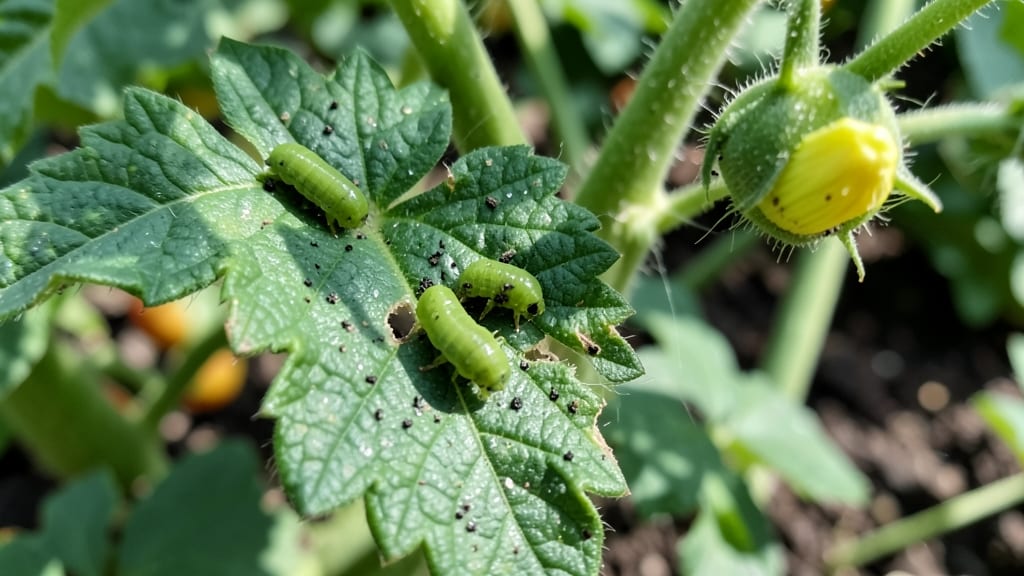
Green caterpillars devouring your tomato plants can turn a thriving harvest into a sad memory in days. ✨ I’ve watched my own vines go from lush and leafy to skeletonized overnight—until I learned these five organic removal steps that actually work.
The key isn’t just killing the caterpillars but stopping the next generation from hatching.
Most of these striped or solid-green pests are tomato hornworms or loopers, and they’re sneaky. You’ll spot them when leaves start looking like Swiss cheese or when you find black droppings (frass) everywhere.
The good news? No chemicals are needed—just a few targeted tools like neem oil, handpicking, and row covers that keep plants healthy without harming pollinators.
Within 24 hours of starting this method, you’ll see fewer caterpillars, and in 5-7 days, your plants will bounce back with new growth. The secret is acting fast, checking undersides of leaves daily, and trapping adult moths before they lay more eggs. Your tomatoes won’t just survive—they’ll thrive.
Works for backyard gardens, containers, and even small urban plots. Here’s how to make it happen without losing your crop to these hungry striped bandits.
Understanding the Root Causes
Green caterpillars feasting on your tomato plants are often the larvae of moths like the hornworm (Manduca sexta) or tomato fruitworm (Helicoverpa zea). But why do they show up in the first place?
Let’s break down the science behind their unwelcome visits—so you can outsmart them before they devour your harvest.
Tomato plants are a caterpillar’s dream buffet. Their lush, nutrient-rich leaves and tender stems provide the perfect environment for hungry larvae. Here’s why they’re irresistible:
- High Nutritional Value: Tomatoes (Solanum lycopersicum) are packed with proteins, sugars, and water—ideal for rapid larval growth. Caterpillars can’t resist this all-you-can-eat salad bar. - Scent and Chemistry: Tomatoes emit volatile organic compounds (VOCs) that signal to moths, “Fresh food here!”
These chemical cues guide adult moths to lay eggs near your plants. - Soft Tissue: Young tomato leaves and stems are soft and easy to chew, making them a caterpillar’s first choice over tougher plants like peppers or eggplants.
Pro Tip: 💡 If you’re growing tomatoes in a garden with other plants, consider interplanting with basil, marigolds, or nasturtiums—their strong scents can mask tomato odors and deter moths.
Caterpillars don’t just appear out of nowhere—they follow a precise life cycle that aligns with your tomato plant’s growth stages.
| Stage | What Happens | When It’s Risky for Tomatoes |
|---|---|---|
| Egg | Tiny, pale green eggs laid on leaves (often on the underside). | Late spring to early summer (when tomatoes are young). |
| Larva (Caterpillar) | Hatches in 3–7 days, starts eating immediately. Grows rapidly for 2–3 weeks. | Peak feeding: June–August (tomato flowering/fruiting). |
| Pupa | Drops to soil, transforms into a moth in 10–14 days. | Fall (adults emerge to start the cycle again). |
Key Insight: 🔍 If you notice chewed leaves in late spring, it’s likely early-stage caterpillars. By mid-summer, they’re full-grown and can strip a plant in days.
Mother Nature plays a huge role in caterpillar outbreaks. Warm, humid conditions create the perfect storm for their population boom:
- Warm Nights: Moths are nocturnal and thrive in temperatures above 70°F (21°C). Warmer nights mean more active egg-laying and faster larval growth. - High Humidity: Larvae stay hydrated and grow faster in moist conditions. Drought-stressed plants?
Caterpillars will target them first—they’re easier to digest! - Rainfall: Light rains can wash eggs into the soil, where they hatch undetected. Heavy rains may wash away some eggs, but they also create ideal conditions for surviving larvae.
Pro Tip: 🌡️ Monitor your local degree-day accumulations (a tool gardeners use to track pest activity). Many caterpillar species become active when temps hit 500–1,000 degree-days in a season.
A messy garden is an open invitation for pests. Here’s how clutter invites caterpillars:
- Debris and Mulch: Leaves, stems, and old plant matter provide hiding spots for eggs and pupae.
Moths lay eggs in dark, sheltered areas to protect them from predators. - Overcrowded Plants: When tomato plants are too close together, airflow is restricted, creating humid microclimates that caterpillars love. - Unremoved Damaged Plants: If you leave chewed or diseased tomato plants in the garden, moths will return to the same spot year after year.
Action Step: ✂️ Clean up thoroughly in fall—remove all plant debris, till the soil (to expose pupae to predators), and rotate crops to break the cycle.
In a balanced ecosystem, caterpillars have many enemies. But if these predators are missing, the caterpillars throw a party:
- Birds: Sparrows, robins, and bluebirds love snacking on hornworms. If your garden lacks perches or water sources, they’ll fly elsewhere. - Parasitic Wasps: Tiny braconid wasps lay eggs inside caterpillars, turning them into zombie-like hosts.
These wasps thrive in undisturbed gardens. - Ladybugs and Lacewings: Their larvae are voracious caterpillar hunters. Pesticides (even some organic ones) can kill them off. - Spiders and Praying Mantises: They ambush caterpillars but need shelter (like dense foliage or brush piles).
Pro Tip: 🕷️ Encourage predators by:
- Installing birdhouses and bat boxes.
- Planting dill, fennel, or yarrow to attract beneficial insects.
- Avoiding broad-spectrum pesticides that harm good bugs.
Some regions are hotspots for caterpillar infestations due to:
- Southern U.S. States: Warmer winters mean moths survive year-round, leading to multiple generations per season.
- Humid Climates: Areas like the Southeast and Gulf Coast provide ideal conditions for rapid larval growth.
- Urban Gardens: Heat islands (where cities are hotter than rural areas) can accelerate pest cycles.
Regional Alert: ⚠️ If you’re in Florida, Texas, or California, caterpillars may be a year-round threat. In cooler climates (like the Pacific Northwest), outbreaks peak in July–August.
Sometimes, well-meaning gardeners accidentally invite the party: - Overwatering: Soft, waterlogged leaves are easier to eat.
Aim for deep but infrequent watering to toughen up plants. - Late Planting: Starting tomatoes too late means they’re vulnerable during peak caterpillar season (June–August). - Ignoring Early Signs: Tiny holes in leaves? That’s a caterpillar’s calling card. Act fast before they become a full-blown infestation.
Quick Fix: 🚀 Inspect plants weekly—flip leaves and check stems for eggs or tiny caterpillars. Early removal = less damage!
5 Organic Ways to Stop Caterpillars
Now that you know why those pesky green caterpillars are munching on your tomato plants, it’s time to take action! 🚀 The good news? You don’t need harsh chemicals to save your harvest.
Below are five practical, eco-friendly solutions tailored to the most common causes—from manual removal to natural repellents—plus prevention tips to keep your tomatoes thriving.
If you’ve spotted just a few caterpillars, manual removal is the fastest and most effective method. These critters are slow-moving, making them easy to spot and pluck.
How to do it:
- 👨🍳 Inspect daily: Check leaves (especially undersides) and stems for green caterpillars or their telltale droppings.
- 🔪 Pick them off: Use gloves or tweezers to gently remove them from the plant. Drop them into a bucket of soapy water to ensure they don’t crawl back.
- 🌱 Dispose properly: Never toss them near your garden—bury them or flush them down the toilet to prevent re-infestation.
💡 Pro Tip: Do this in the early morning when caterpillars are sluggish and easier to catch.
If the problem is spreading, homemade sprays can deter caterpillars without harming your plants or pollinators. These work by disrupting their feeding habits or making leaves unappealing.
🌿 Spinosad Spray (Most Effective)
Spinosad is a natural bacteria-based pesticide derived from soil microbes. It’s safe for organic gardens and breaks down quickly in the environment.
How to make it:
- Mix 1.5 tsp of spinosad concentrate (like Captain Jack’s) with 1 quart of water.
- Add a drop of dish soap to help it stick to leaves.
- 💦 Spray thoroughly on the tops and undersides of leaves, focusing on areas with heavy caterpillar activity.
- ⏰ Reapply every 5–7 days or after rain.
⚠️ Safety Note: Wear gloves and avoid spraying when bees are active.
🧂 Saltwater Spray (Quick Fix for Young Caterpillars)
A high-sodium solution can dehydrate caterpillars and discourage them from returning.
How to make it:
- Dissolve 1 tbsp of salt in 1 gallon of water.
- Add 1 tsp of dish soap.
- Spray directly on caterpillars (avoid over-spraying plants, as salt can damage soil).
- ✨ Best for: Small infestations—repeat as needed.
Nature’s cleanup crew can eat caterpillars before they become a problem. These predators are harmless to your tomatoes and will keep your garden balanced.
🐞 Ladybugs & Lacewings
- 🦋 Ladybugs devour caterpillar eggs and young larvae.
- 🕷️ Lacewings (and their larvae) are voracious caterpillar hunters.
- 🛒 Where to get them: Order from garden centers or release them in the early evening when they’re least active.
🐦 Birds & Chickens
- 🐦 Attract birds with a nearby birdbath or native plants.
- 🐔 Free-range chickens will happily snack on caterpillars (just keep them out of your tomato patch when fruits are ripe).
💡 Pro Tip: Plant dill, fennel, or marigolds near your tomatoes to attract these helpful insects.
If caterpillars keep returning, block their access or lure them away with traps.
🧶 Row Covers (Best for Early Prevention)
- 🛡️ Lightweight fabric row covers (like Agribon) create a physical barrier that caterpillars can’t penetrate.
- 📏 Cover seedlings when you plant them and remove covers before flowering to allow pollination.
- ✅ Works best for: Hornworms, tomato fruitworms, and cutworms.
🍎 Pheromone Traps (For Mating Disruption)
- 🐛 Hornworm pheromone traps mimic female scent to confuse male caterpillars, reducing egg-laying.
- 🛒 Available at: Garden supply stores or online.
- 🔹 Place traps near your tomato plants before the growing season starts.
The best defense? Healthy, strong tomato plants that caterpillars avoid. Here’s how to make your tomatoes less appealing to pests:
🌿 Plant Companion Crops
Caterpillars hate strong-smelling herbs. Interplant your tomatoes with:
- 🌿 Basil (repels whiteflies and hornworms)
- 🌿 Marigolds (deter nematodes and some caterpillars)
- 🌿 Nasturtiums (act as a trap crop)
💧 Water Deeply & Early
- 💦 Water at the base of plants in the morning to discourage slugs and snails (which caterpillars love).
- 🌡️ Avoid overhead watering—wet leaves attract pests.
🍅 Choose Resistant Varieties
Some tomato types are naturally less appealing to caterpillars:
- 🍅 ‘Defiant PhR’ (resistant to hornworms)
- 🍅 ‘Mountain Merit’ (disease-resistant and tough)
- 🍅 ‘Solar Fire’ (heat-tolerant and pest-deterrent)
- ❌ Don’t use chemical pesticides (like sevin or malathion)—they kill beneficial insects and can harm your tomatoes.
- ❌ Avoid over-fertilizing with nitrogen—soft, lush plants attract more pests.
- ❌ Don’t ignore early signs—act fast when you see the first caterpillar!
🎯 Final Thought: The key to winning the battle against green caterpillars is consistency. Combine manual removal, natural sprays, and prevention for the best results. With these methods, your tomato plants will stay healthy, pest-free, and ready for a bountiful harvest! 🍅🌟
Frequently asked questions
What are the most common green caterpillars attacking my tomato plants?
You're likely dealing with tomato hornworms (large green with white stripes) or tomato fruitworms (smaller, solid green). Both species are voracious eaters and can defoliate plants in days. Check leaf undersides and stems for these hungry striped bandits!
How do I know if my tomato plants have a caterpillar problem?
Look for chewed leaves with ragged edges, black droppings (frass) on foliage, or the caterpillars themselves hiding among leaves. Early signs include small holes in leaves—act fast before they strip your plants bare!
Can I use neem oil to get rid of green caterpillars?
Yes! Mix 1 tablespoon neem oil with 1 quart of water and a drop of dish soap, then spray directly on caterpillars and leaves. It disrupts their feeding and growth—reapply every 5-7 days for best results.
Will my tomato plants recover after caterpillar damage?
Tomato plants are resilient. Remove the caterpillars immediately, and new growth will sprout within 5-7 days. Just keep the soil moist and fertilize lightly to help recovery—your plants will bounce back stronger!
Are there any natural predators that can help control caterpillars?
Yes! Parasitic wasps (like braconid wasps) lay eggs inside caterpillars, and ladybugs/lacewings devour eggs and young larvae. Plant dill or marigolds nearby to attract these beneficial insects naturally!