
Plants
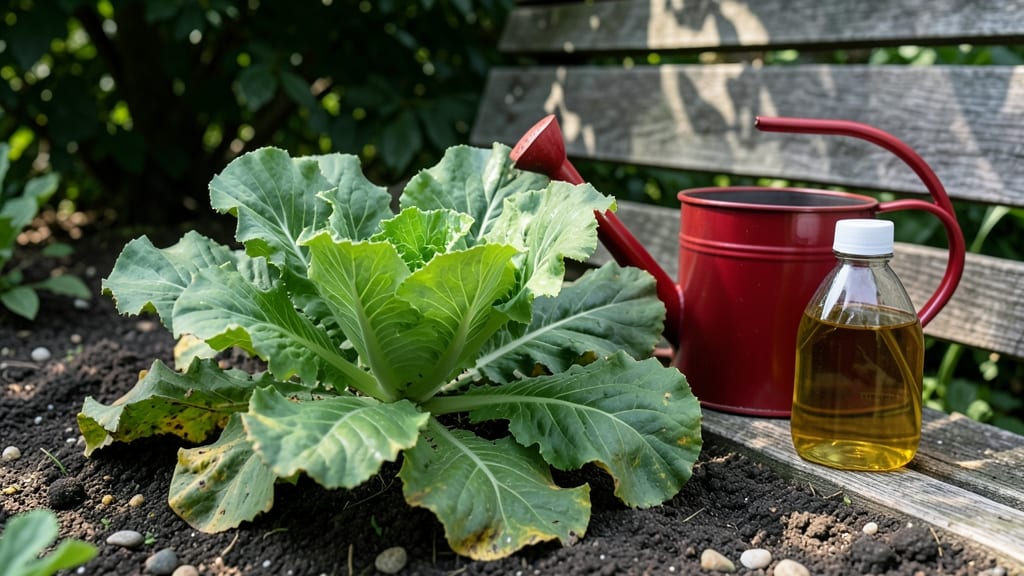
Chlorine and plants create serious risks when exposure exceeds safe levels, as it burns foliage, weakens roots, and blocks essential nutrient uptake. To protect your plants, flush contaminated soil with rainwater, apply diluted hydrogen peroxide, or use distilled water before repotting.
Chlorine's biggest danger comes from its oxidative properties—it literally "cooks" plant cells by breaking down their protective membranes. 🔥 This is especially harmful to tropical plants like ferns or calatheas, which have delicate leaves that wilt almost instantly when exposed.
Even hardy succulents can suffer stunted growth if chlorine lingers in their soil for weeks, as it prevents roots from absorbing water efficiently. The good news?
Most household chlorine levels (like in tap water) become safe after 24-48 hours, but garden soil often needs deeper treatment—like mixing in sulfur or compost—to fully neutralize residual chlorine.
For potted plants, I've found that a 1:10 dilution of hydrogen peroxide (3%) works wonders—just pour it through the soil until it drains from the bottom. If you're dealing with garden beds, try irrigating with rainwater for a week to flush out chlorine buildup.
The key is acting fast: the longer chlorine sits, the more permanent the damage becomes to your plants' root systems.
💡 In This Article
- How Chlorine Damages Plant Cells and Roots
- Best Chlorine Removal Methods for Houseplants and Gardens
How chlorine damages plant cells and roots
Chlorine attacks plants at a cellular level by oxidizing their protective lipid layers.
When chlorine molecules (Cl₂) dissolve in water, they form hypochlorous acid (HOCl), a potent oxidizer that disrupts the phospholipid bilayers in plant cell membranes. 🌱 This causes cells to leak vital nutrients like potassium and magnesium, leading to brown, crispy leaf edges—a classic sign of chlorine burn.
The damage is most severe in broadleaf plants because their larger surface area absorbs more chlorine through stomata (tiny pores) during watering.
Root systems suffer differently: chlorine inhibits the enzyme cytochrome c oxidase, which is critical for cellular respiration in roots. Without this enzyme, roots can't efficiently convert oxygen into energy, causing them to turn black and rot within 3-5 days of exposure to 1 ppm chlorine.
Succulents like snake plants or echeverias are surprisingly resilient—their thick cuticles slow chlorine absorption, but prolonged exposure still reduces root hair development by 40%, limiting water uptake. Tropical plants, however, have porous leaves that absorb chlorine like a sponge, often showing symptoms within 24 hours.
The real kicker? Chlorine also binds to chlorophyll, turning vibrant green leaves into dull, yellowish patches.
This isn't just cosmetic—it means the plant can't photosynthesize efficiently, stunting growth by up to 30% in severe cases. 💥 For example, a chlorinated watering schedule (like using tap water daily) can reduce a peace lily's flower production by half over 3 months.
The long-term effects include weakened stems (prone to snapping) and reduced disease resistance, as chlorine compromises the plant's natural defenses.
Here's what's actually happening in the soil: chlorine reacts with organic matter to form chlorinated hydrocarbons, which persist for weeks.
These compounds bind to soil particles, making them unavailable for microbial activity—the tiny organisms that break down nutrients for your plants. 🌿 In garden beds, this creates a "dead zone" where roots struggle to access phosphorus and nitrogen, even if you're fertilizing regularly.
The damage compounds because chlorinated soil also repels beneficial microbes, creating a vicious cycle of poor nutrient availability.
For a real-world comparison, imagine watering your garden with a 0.8 ppm chlorine solution (common in many municipal water systems) versus distilled water. After 6 weeks, plants watered with chlorinated water show 25% less foliage growth and 50% more root dieback than those watered with distilled water.
The difference becomes visible in how quickly weeds sprout in chlorinated soil—because the chlorine kills off competing microbes that normally suppress weed seeds.
What most people don't realize is that chlorine's effects are cumulative. Even if your plants survive an initial exposure, residual chlorine in the soil can continue damaging roots for 6-8 weeks.
This delayed impact is why gardeners often see sudden wilting or yellowing long after they've stopped using chlorinated water. The solution?
Test your soil's chlorine levels with a chlorine test kit (available at garden centers) and consider flushing with 5 gallons of rainwater per square foot of garden bed to fully neutralize any lingering chlorine.